AI for Small CPG Operations and Finance
Understanding AI Basics
What Is AI, Really?
Artificial Intelligence isn't about sci-fi robots taking over. At its core, AI refers to computer systems that can perform tasks that typically require human intelligence. This includes things like learning from experience, understanding language, recognizing patterns, and making decisions.
Artificial Intelligence
noun
The theory and development of computer systems able to perform tasks that normally require human intelligence, such as visual perception, speech recognition, decision-making, and translation between languages.
Think of the AI you interact with daily. It’s the navigation app rerouting you around traffic, the streaming service suggesting your next movie, or the spam filter in your email. These systems are incredibly smart at one specific task. This is often called Narrow AI, and it’s the type of AI that is transforming businesses today.
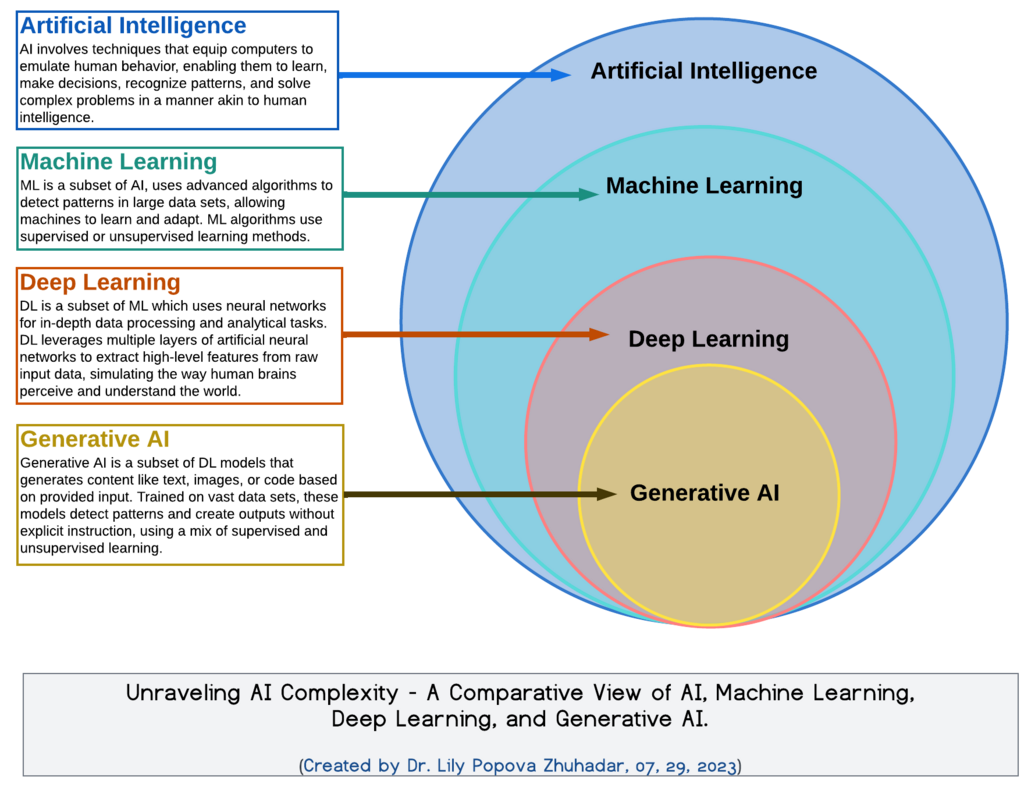
You'll also hear terms like Machine Learning and Deep Learning. These aren't separate things, but rather subfields of AI. Machine Learning is a technique that allows systems to learn from data without being explicitly programmed. Deep Learning is a more advanced type of machine learning that uses complex structures called neural networks, inspired by the human brain, to find intricate patterns in large amounts of data.
AI in Your Business
So how does this apply to a business? The main goal is to make your operations smarter and more efficient. AI excels at automating repetitive, time-consuming tasks. This frees you and your team to focus on strategic work that requires a human touch, like building customer relationships or developing new products.
For example, AI can analyze sales data to identify trends you might have missed, manage your social media by scheduling posts, or provide 24/7 customer support through an automated chatbot on your website. The key is to see AI not as a replacement for people, but as a powerful assistant.
So start by demystifying AI - clarify that it's about augmenting, not replacing, human abilities.
For a small business, the benefits are significant. AI can level the playing field, giving you access to insights and automation that were once only available to large corporations. It can help you make better decisions based on data, not just intuition. This leads to reduced costs, increased efficiency, and a better experience for your customers.
AI in the CPG World
In the Consumer Packaged Goods (CPG) industry, competition is fierce and margins can be thin. This is where AI can make a real difference, even for small brands.
Imagine you sell a line of organic snacks. AI can help you in several ways:
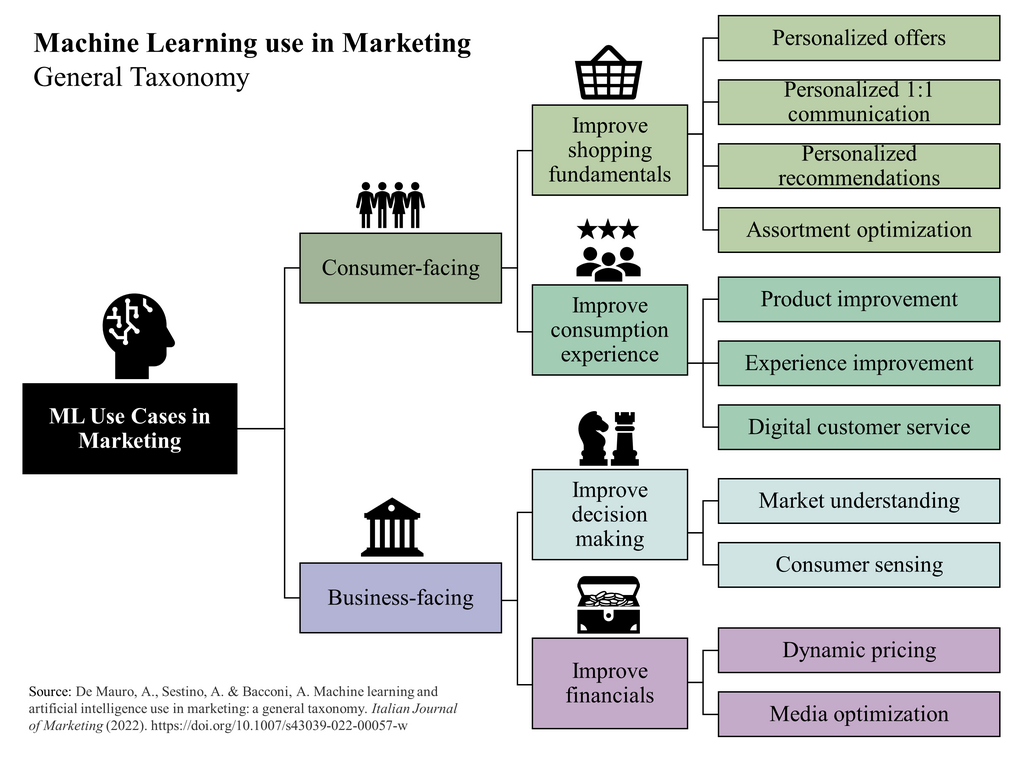
Inventory Management: AI tools can analyze past sales data, seasonality, and even market trends to predict how much product you'll need. This helps prevent stockouts of popular items and avoids overstocking, which ties up cash and leads to waste.
Predicting demand is crucial. An AI system can look at your sales history from the last two years and notice that your trail mix sales spike by 30% in late spring, just before the summer hiking season. It can then automatically suggest you increase your order of nuts and dried fruit in April, ensuring you're ready for the rush.
Personalized Marketing: By analyzing customer purchase history, AI can help you send targeted marketing emails. A customer who only buys gluten-free snacks could receive a promotion for your new gluten-free granola bar, making the marketing feel more relevant and less like spam.
AI can also analyze social media comments to understand what customers are saying about your brand and your competitors. This is called sentiment analysis. If you see a lot of positive comments about your new packaging, you know it's a hit. If customers are complaining that a competitor's product is too sweet, that's an opportunity for you to highlight your own low-sugar options.
These are not futuristic ideas. They are practical applications of AI that small CPG businesses can start using to become more efficient and competitive.
Let's check your understanding of these core concepts.
Based on the text, what is the primary goal of implementing AI in a small business?
Which statement accurately describes the relationship between Artificial Intelligence (AI), Machine Learning (ML), and Deep Learning (DL)?
By understanding these fundamental ideas, you're better equipped to spot opportunities where AI can help your business grow.