AI for Small Business Growth
Introduction to AI for Small Businesses
What is AI, Really?
Artificial intelligence, or AI, isn't just about robots and science fiction. At its core, AI is about creating smart tools that can perform tasks that typically require human intelligence. Think problem-solving, learning from experience, and understanding language.
Artificial Intelligence
noun
The theory and development of computer systems able to perform tasks that normally require human intelligence, such as visual perception, speech recognition, decision-making, and translation between languages.
Two key ideas that power most of the AI you'll encounter are machine learning and automation.
Machine learning is a way for computers to learn from data without being explicitly programmed. Instead of writing step-by-step instructions, you feed the computer examples, and it learns to spot patterns on its own. It’s like teaching a child to recognize a cat by showing them pictures of cats, not by describing a cat's features in detail.
Automation is about setting up systems to handle repetitive tasks automatically. This frees you up from the boring stuff so you can focus on what matters most in your business.
Your New Superpowered Assistant
For a small business, time and resources are always tight. You're often the CEO, the marketer, the customer service rep, and the bookkeeper all at once. This is where AI can be a game-changer. It acts like a super-efficient assistant that can handle routine work, giving you more time to think about the big picture.
For small and local businesses, the key is to start small, focusing on implementing AI solutions that address immediate needs.
AI helps tackle some of the biggest hurdles small businesses face:
- Limited Budget: AI tools can automate tasks that you might otherwise have to hire someone for, like basic customer support or social media management.
- Not Enough Hours: Imagine getting back the time you spend answering the same five customer questions every day. AI can handle that.
- Making Sense of Data: You don't need to be a data scientist to understand your customers. Simple AI tools can analyze your sales data and highlight your most popular products or busiest times of day.
AI in Action
So, how does this actually look in a small business? It’s more straightforward than you might think. Many AI tools are designed to be user-friendly and don't require any coding skills.
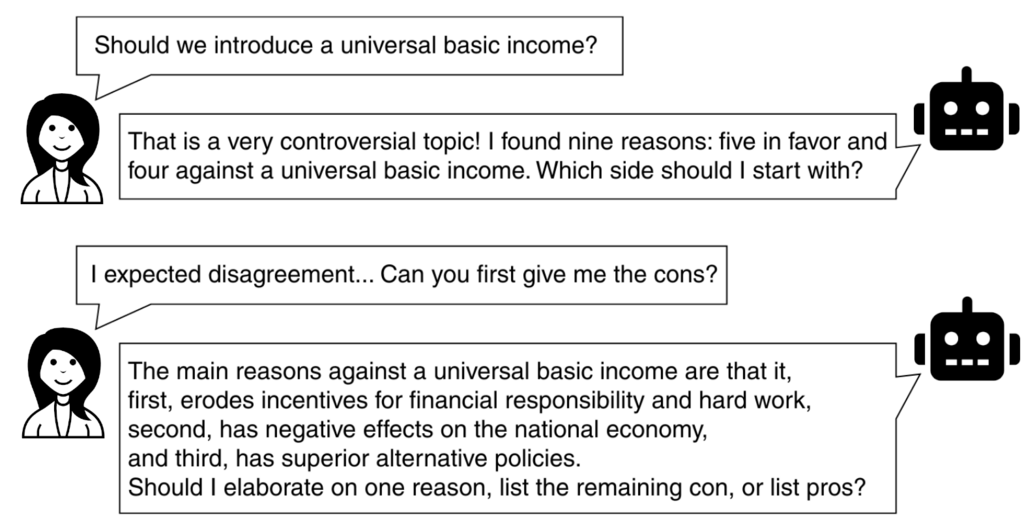
One of the most common and effective ways to start is with a customer service chatbot. You can set one up on your website to answer frequently asked questions about your hours, location, or return policy—even when you're asleep.
Marketing is another area where AI shines. AI-powered tools can help you write more effective ad copy, schedule social media posts for when your audience is most active, and even personalize email campaigns so each customer gets recommendations they're actually interested in.
| AI Application | How It Helps Your Business |
|---|---|
| Customer Service Chatbots | Provides 24/7 support and answers common questions instantly. |
| Marketing Automation | Personalizes emails, schedules posts, and optimizes ad campaigns. |
| Inventory Management | Predicts which products will be popular and suggests when to reorder. |
| Bookkeeping | Automates expense tracking and categorizes transactions to simplify accounting. |
The goal isn't to replace the human touch that makes your business special. It's about using smart tools to handle the routine, so you can focus on building relationships, creating great products, and growing your company.
Ready to check your understanding?
What is the primary goal of using AI in a small business context?
Which of the following is the best description of 'machine learning'?
Getting started with AI doesn't have to be complicated or expensive. By focusing on simple tools that solve real problems, you can make a big impact on your business's efficiency and growth.