AI for Sales and Marketing
Introduction to AI in Sales and Marketing
What Is AI Anyway?
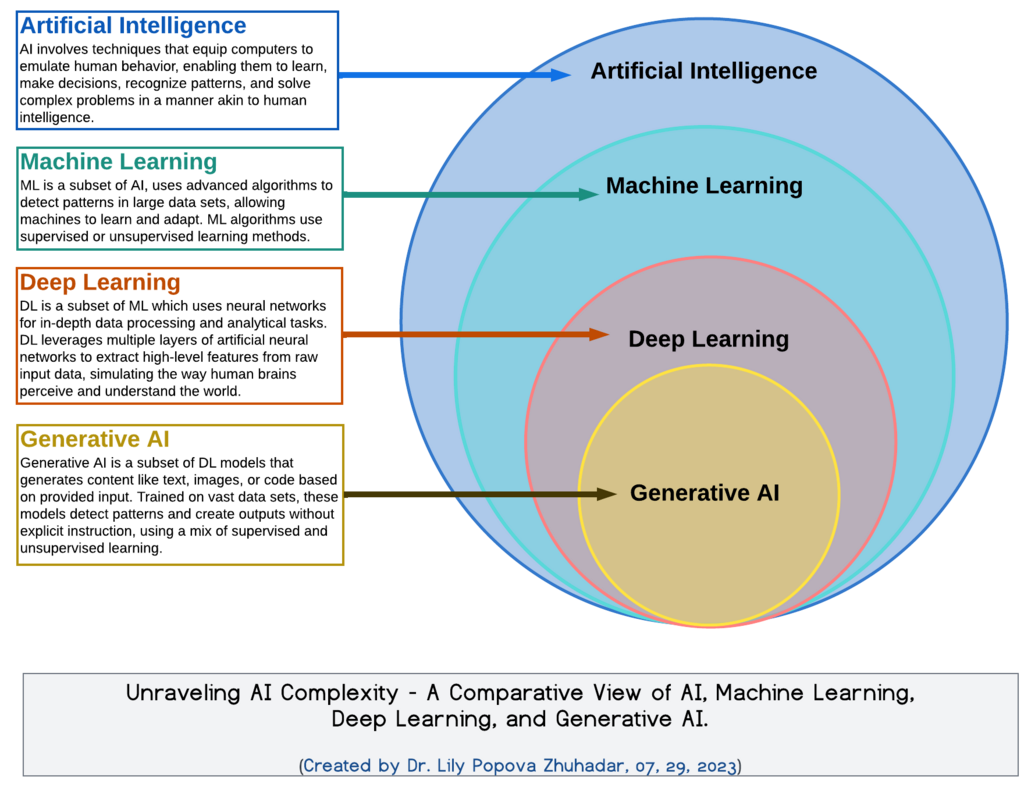
Artificial intelligence isn't about sentient robots from movies. In business, AI is a powerful tool that helps companies understand data and make smarter decisions. Think of it as a way to teach computers how to perform tasks that typically require human intelligence, like learning, reasoning, and problem-solving.
AI has evolved from simple rule-based automation to complex systems that can learn and adapt. Early AI could follow a script, but modern AI can analyze vast amounts of information, identify patterns, and make predictions. This evolution has made it an indispensable part of modern business, especially in sales and marketing.
The Brains of the Operation
Two key concepts power most of the AI you'll encounter in sales and marketing: Machine Learning and Natural Language Processing. Let's break them down.
Machine Learning
noun
The process of training computers to learn from data and make predictions without being explicitly programmed for every possible scenario.
Machine Learning (ML) is like teaching a computer by showing it examples. Instead of writing code that says, "If a customer buys product A, then recommend product B," you feed the system thousands of past purchases. The ML model learns the patterns on its own and starts making intelligent recommendations. This is how e-commerce sites suggest products you might like or how a CRM might predict which leads are most likely to close.
Natural Language Processing
noun
A field of AI that enables computers to understand, interpret, and generate human language.
Natural Language Processing, or NLP, gives machines the ability to read and understand text and spoken words. It's the technology behind customer service chatbots that can answer your questions, and it's what allows tools to analyze thousands of customer reviews to gauge overall sentiment. NLP helps businesses listen to their customers at a massive scale.
AI in Action
So how do these technologies actually help businesses grow? AI is being applied across the entire customer lifecycle to make sales and marketing more efficient and effective.
Artificial Intelligence (AI) is revolutionizing the digital marketing landscape, allowing businesses to automate processes, analyze data more effectively, and create personalized customer experiences.
Here are a few key applications:
| Application | How It Works |
|---|---|
| Personalized Marketing | AI analyzes customer data—like browsing history and past purchases—to deliver tailored ads, emails, and product recommendations. |
| Sales Process Automation | AI tools can handle repetitive tasks like qualifying leads, scheduling meetings, and sending follow-up emails, freeing up sales reps to focus on building relationships. |
| Campaign Optimization | By analyzing campaign performance in real-time, AI can automatically adjust ad spending to focus on the channels and messages that deliver the best results. |
| Customer Engagement | AI-powered chatbots provide 24/7 support, answering common questions instantly and routing more complex issues to human agents. |
The common thread is using data to create a more relevant and timely experience for the customer while making internal processes smoother. By automating routine work and providing deep insights, AI helps teams focus on what matters most: strategy and creativity.
According to the text, what is the primary role of AI in a business context?
A company wants to analyze 50,000 customer support emails to identify the most common complaints. Which AI technology is best suited for this task?
AI is no longer just a buzzword. It's a practical set of tools that can give businesses a significant competitive edge by helping them work smarter, not just harder.