AI for QA Engineering
Introduction to AI and ML in QA
What Are AI and ML?
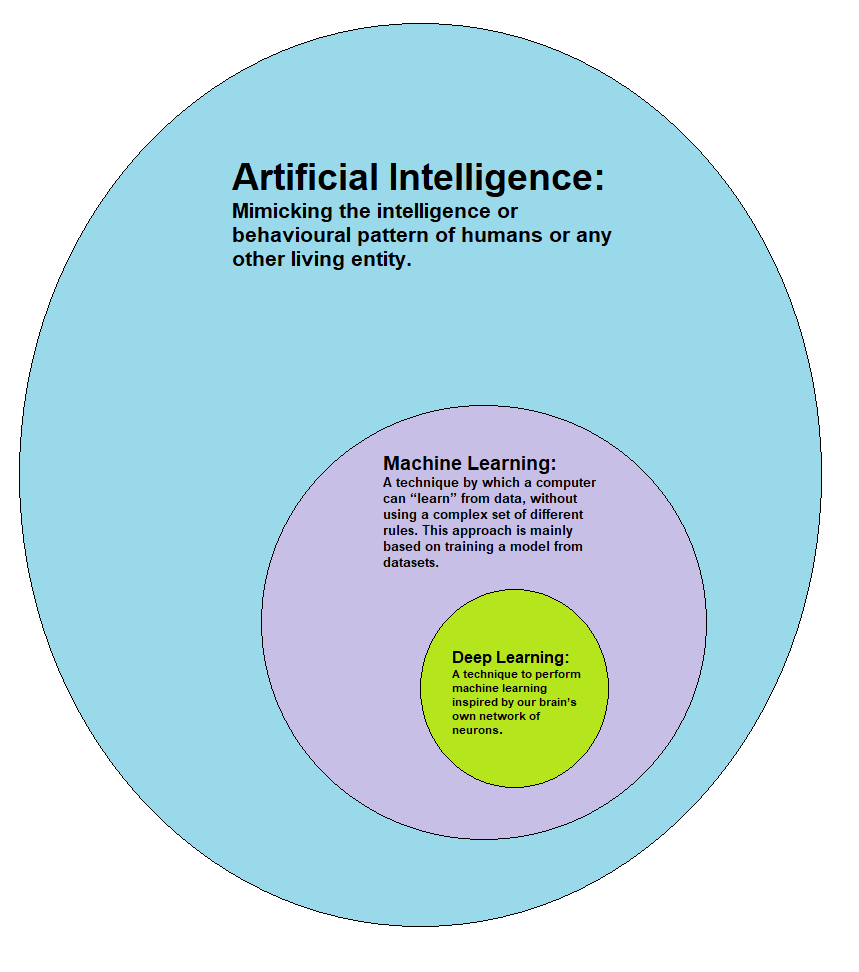
Let's start with the basics. Artificial Intelligence (AI) is a broad field of computer science focused on creating machines that can perform tasks that typically require human intelligence. This could be anything from understanding language to recognizing images or making decisions.
Think of AI as the overall goal: building smart systems.
Machine Learning (ML) is a specific way to achieve AI. Instead of writing explicit, step-by-step instructions for every possible scenario, ML involves creating algorithms that allow a computer to learn from data. The machine identifies patterns and makes predictions on its own, improving with more experience.
So, all machine learning is AI, but not all AI involves machine learning. An old-school chess computer that follows a giant set of pre-programmed rules is a form of AI, but it isn't using machine learning. An AI that learns to identify cats by looking at thousands of cat photos is using machine learning.
Why AI Matters for QA
In Quality Assurance, the goal is to ensure software is reliable, functional, and free of defects. Traditionally, this involves a lot of manual testing and scripted automation. While effective, these methods can be time-consuming and may struggle to keep up with the rapid pace of modern development.
This is where AI and ML come in. They don't just speed up existing processes; they make them smarter. By analyzing data from past test runs, user behavior, and code changes, AI can predict where bugs are most likely to appear. This allows QA teams to focus their efforts where they'll have the most impact.
AI in Quality Engineering is revolutionizing the way businesses approach quality assurance.
Instead of just running the same regression suite over and over, an ML model can prioritize tests based on risk. It can identify redundant test cases or even generate new ones to cover gaps that a human might miss. This leads to more efficient testing, faster feedback for developers, and ultimately, higher-quality software.
AI in Action: QA Applications
So, how does this look in practice? AI and ML are already being used in several key areas of QA.
| Application | How It Works |
|---|---|
| Test Case Generation | AI analyzes application requirements and user stories to automatically create relevant and comprehensive test cases. |
| Visual Testing | ML models can detect visual bugs in a user interface by comparing screenshots and identifying unintended changes that traditional scripts would miss. |
| Self-Healing Tests | When a UI element changes (like a button's ID), AI can intelligently identify the new element and update the test script automatically, reducing maintenance. |
| Defect Triage | AI can analyze new bug reports, predict their severity, and automatically assign them to the correct developer, speeding up the fixing process. |
These applications help QA teams move beyond simple bug detection. They enable a more proactive approach to quality, where potential issues are identified and resolved faster than ever before.
By acknowledging these risks, QA teams can use AI as a powerful assistant rather than a complete replacement, combining automation with human expertise to maintain test quality.
Let's check your understanding of these core concepts.
Which statement accurately describes the relationship between Artificial Intelligence (AI) and Machine Learning (ML)?
True or False: An AI system that plays chess using a massive, pre-programmed set of rules is an example of Machine Learning.
Understanding these fundamentals is the first step in leveraging these powerful technologies to enhance software quality.