AI for Product Managers No Code
Introduction to AI in Product Management
What is AI, Really?
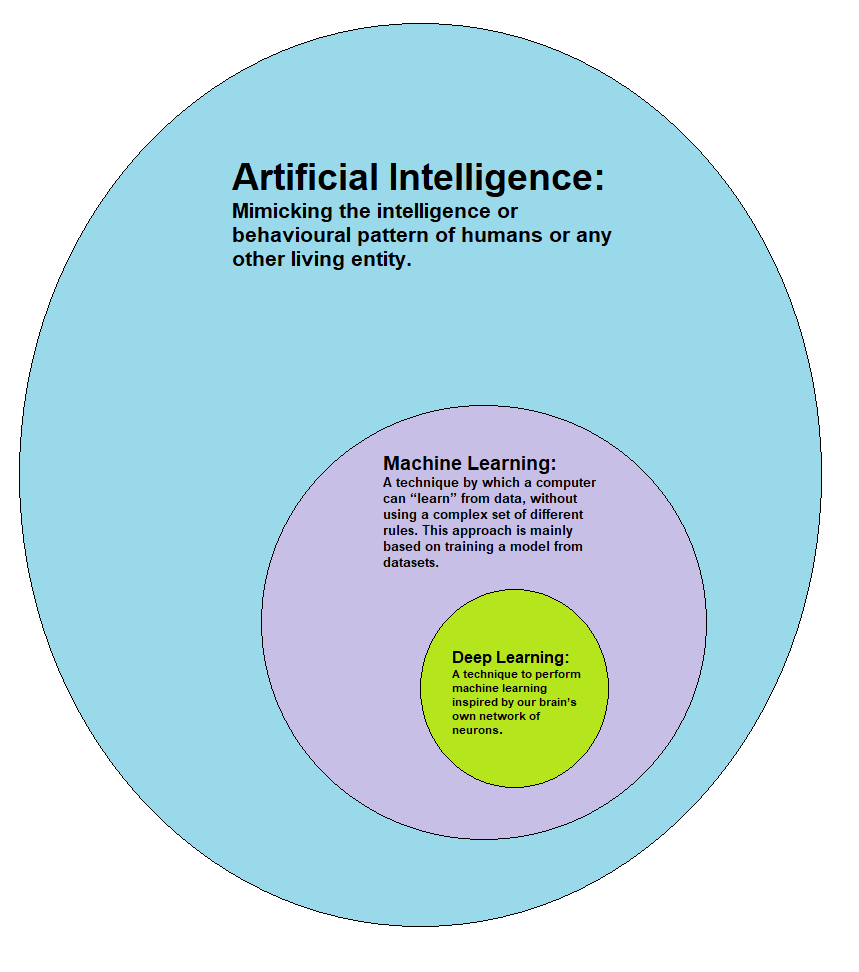
Artificial intelligence is a broad field focused on creating machines that can perform tasks that typically require human intelligence. This includes things like learning, reasoning, problem-solving, and understanding language.
Think of AI not as a single technology, but as a family of related tools. The most important members of this family for a product manager are machine learning, natural language processing, and computer vision. Each one solves a different kind of problem.
You don't need to be a data scientist to use these tools effectively. Your job is to understand what they do so you can identify opportunities where they can solve customer problems and create business value.
The AI Toolkit for PMs
Let's break down the key AI technologies you'll encounter. Understanding their core functions will help you spot opportunities to build smarter, more effective products.
Machine Learning
noun
A subset of AI where systems learn from data to identify patterns and make decisions without being explicitly programmed for the task.
Machine learning (ML) is the engine behind most modern AI applications. It's how Netflix recommends shows and how your email provider filters spam. For a product manager, ML can power features like personalized user feeds, dynamic pricing, and fraud detection.
Instead of writing rules, you feed the system examples. An ML model learns to recognize a fraudulent transaction by analyzing thousands of past examples of both fraudulent and legitimate ones.
Natural Language Processing
noun
A field of AI that gives computers the ability to understand, interpret, and generate human language, both text and speech.
Natural Language Processing (NLP) bridges the gap between human communication and computer understanding. It's the technology behind voice assistants like Siri and Alexa, as well as translation apps. As a PM, you can use NLP to automatically analyze sentiment in customer reviews, summarize thousands of support tickets to find common pain points, or create interactive help guides.
Computer Vision
noun
A field of AI that trains computers to interpret and understand information from digital images, videos, and other visual inputs.
Computer Vision gives machines the sense of sight. It allows a car to identify pedestrians, a social media app to suggest photo tags, and a security system to recognize faces. Product managers can leverage computer vision for features like visual search in an e-commerce app, automated quality control on a factory line, or even helping users scan and digitize documents.
How AI Supercharges Your Workflow
Understanding these technologies is one thing; applying them is another. AI isn't just for building futuristic features. It's a powerful tool for making better decisions and working more efficiently every day.
AI transforms product management by providing valuable insights, automating routine tasks, and enabling more informed decision-making throughout the product lifecycle.
Let's look at a few key areas.
| Benefit Area | How AI Helps |
|---|---|
| Smarter Product Development | Analyze huge datasets of user behavior to spot trends and identify unmet needs. This helps you prioritize features that will actually move the needle. |
| Deep User Data Analysis | Go beyond simple metrics. Use NLP to analyze the sentiment and key themes from thousands of customer reviews, surveys, and support tickets in minutes. |
| Efficient Task Automation | Automate repetitive tasks like categorizing user feedback, generating reports, or writing initial drafts of user stories. This frees you up to focus on strategy and talking to customers. |
By integrating AI, you move from relying solely on intuition to making data-informed decisions with speed and confidence. It allows you to understand your users at a scale that was never before possible.
What is the primary goal of Artificial Intelligence?
A product manager wants to build a feature that automatically analyzes thousands of customer reviews to identify the most common complaints. Which AI technology would be most suitable for this task?
These concepts are the building blocks for applying AI in your role. As we continue, we'll explore how to identify opportunities for AI and build a strategy for integrating it into your product.