AI for Product Managers
Introduction to AI in Product Management
A New Partner for Product Managers
Product management has always been about making smart bets. You gather data, talk to users, and use your intuition to decide what to build next. Now, there's a new tool in the toolbox that's changing the game: Artificial Intelligence.
AI isn't here to replace product managers. Instead, it's becoming a powerful collaborator. It helps sift through massive amounts of information, automate tedious work, and uncover insights that might otherwise stay hidden.
AI in product management refers to the use of machine learning, natural language processing, and data analytics to automate, optimize, and enhance various aspects of the product lifecycle.
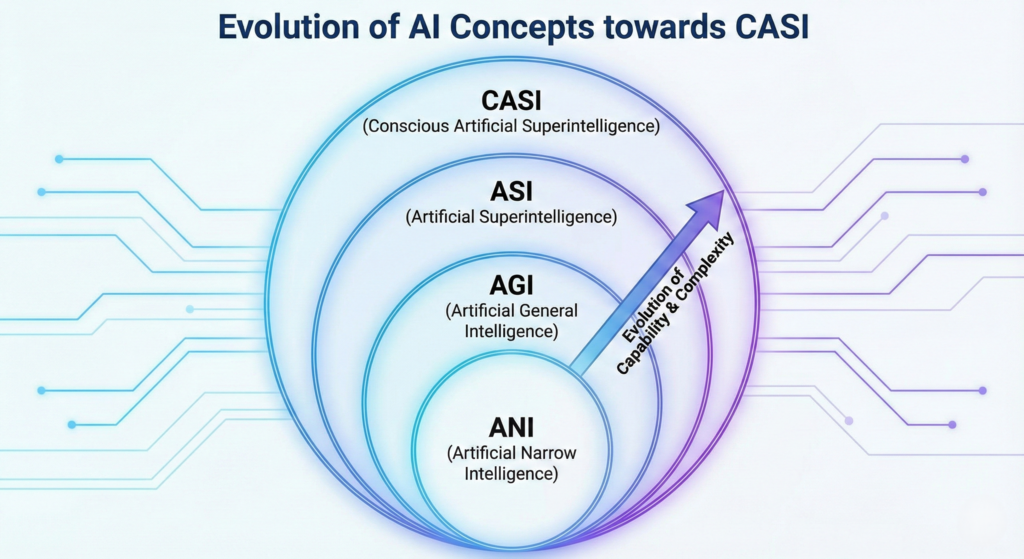
The use of AI in business isn't new, but its role in product management has evolved significantly. Early on, it was mainly about basic data analysis. Now, AI is involved in everything from generating initial ideas to personalizing the user experience after launch. This shift mirrors the evolution of AI itself, from simple programs that could only perform narrow tasks to more sophisticated systems capable of general problem-solving.
The Benefits of an AI Co-Pilot
Integrating AI into the product management process brings several key advantages. It's like upgrading from a simple calculator to a supercomputer.
First, AI enables truly data-driven decision-making. A product manager might be able to analyze a few spreadsheets of user feedback, but an AI can analyze millions of data points from reviews, support tickets, and usage logs in seconds. This allows for a much deeper understanding of user needs and pain points, leading to more informed product strategies.
AI allows product managers to shift from reactive decision-making to proactive strategy based on solid analytical foundations.
Second, automation frees up valuable time. Product managers often get bogged down by repetitive tasks like compiling reports, transcribing user interviews, or organizing feedback. AI can handle much of this, allowing PMs to focus on high-level strategy, creative problem-solving, and talking to customers.
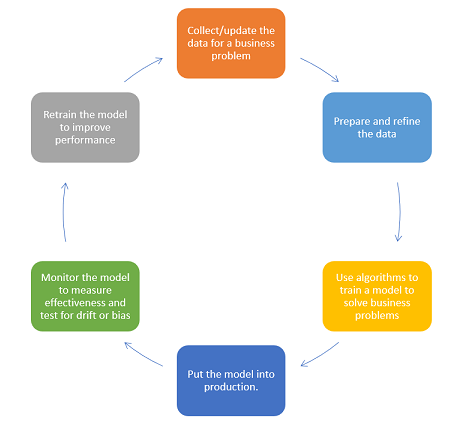
Finally, AI can directly enhance the product itself. Features like personalized recommendations, intelligent search, and predictive text are all powered by AI. By understanding these technologies, a product manager can identify new opportunities to create smarter, more engaging, and more helpful products for their users.
The AI Toolbox
You don't need to be a data scientist to use AI in product management. Many tools now have AI features built-in, making them accessible to everyone. These tools generally fall into a few categories:
-
Data Analysis and Insights: Tools that connect to your product's data and automatically surface trends, anomalies, and correlations. They can answer questions like, "Which user segment has the lowest retention?" or "What feature is most correlated with conversion?"
-
Customer Feedback Analysis: These tools use natural language processing (NLP) to analyze unstructured text from sources like app store reviews, survey responses, and social media. They can automatically categorize feedback by theme and gauge user sentiment.
-
Generative AI: Large language models (LLMs) like ChatGPT can be used for a wide range of tasks. This includes brainstorming feature ideas, writing user stories, creating marketing copy, and even generating mockups for a new user interface.
-
Roadmapping and Prioritization: Some product management platforms are starting to incorporate AI to help with prioritization. They might suggest which features to work on next based on factors like potential business impact, development effort, and alignment with company goals.
AI is a powerful ally, empowering product managers to navigate the complex market with confidence and precision rather than being bogged down by the overwhelming volume of data.
By understanding these capabilities, product managers can begin to think about how to strategically apply AI to their own workflows and products, creating better outcomes for both the business and its customers.
What is the primary role of AI in modern product management, as described in the provided text?
A product manager needs to sift through thousands of user reviews and support tickets to identify common themes and pain points. Which category of AI tool is specifically designed for this task?
Adopting AI is a strategic shift. It's about leveraging technology to augment human intuition and expertise, leading to smarter products built more efficiently.