AI for Product Managers
Data-Driven Roadmapping
Beyond Intuition
Traditional roadmapping relies heavily on experience and gut feeling. While valuable, these methods can't process the sheer volume of data available today. AI lets us shift from educated guesses to evidence-based strategy. By applying machine learning models to market signals, competitor actions, and user behavior, we can uncover patterns that are invisible to the naked eye.
By leveraging AI, product managers can align their strategies with data-backed insights, ensuring that their products meet customer expectations and stand out in the market.
Instead of manually combing through user feedback or market reports, you can train models to do the heavy lifting. A natural language processing (NLP) model can analyze thousands of support tickets, app reviews, and social media mentions to quantify the most urgent user needs. Similarly, web scrapers and competitive intelligence platforms can feed data into models that detect shifts in competitor strategy, such as new feature launches or pricing changes. This turns messy, unstructured data into a clean signal for your roadmap.
Objective Prioritization
The classic impact vs. effort matrix is often filled with subjective estimates. AI introduces objectivity through data-driven scoring. Instead of debating a feature's potential impact, you can build a predictive model to forecast it. For example, you can analyze historical data to see how similar features influenced key metrics like engagement, conversion, or churn. The model learns these relationships and applies them to new feature ideas.
For effort, AI can analyze past development cycles. By feeding a model data from project management tools—like story points, code complexity, and time to completion for previous features—it can generate more accurate effort estimates than a human can. This process creates a dynamic scoring system where each potential feature on your roadmap is assigned a numerical value for both impact and effort. This allows for a more rational, less political prioritization process. A core component of this is , where qualitative feature ideas are translated into a numerical format that models can understand.
| Feature Proposal | Manual Score (1-10) | AI-Driven Score (Predicted Lift) |
|---|---|---|
| 'Dark Mode' for App | Impact: 8, Effort: 3 | Impact: +2.5% daily active users, Effort: 4 sprints |
| 'Social Sharing' | Impact: 7, Effort: 6 | Impact: +0.8% user acquisition, Effort: 7 sprints |
| 'Dashboard Refresh' | Impact: 5, Effort: 5 | Impact: +4.1% user retention, Effort: 5 sprints |
The table above illustrates the difference. Manual scores are relative and prone to bias. AI-driven scores provide concrete, forecastable metrics tied directly to business goals, allowing for clearer trade-off decisions.
Forecasting and Adaptation
A static roadmap is a fragile roadmap. Markets change, competitors pivot, and user needs evolve. An AI-powered roadmapping process is dynamic by nature. Because the models are continuously fed new data, your priority scores can adapt in near real-time. A competitor's surprise feature launch might trigger your model to increase the urgency of a related item on your backlog. A spike in negative user reviews mentioning a specific bug could automatically elevate the priority of a fix.
Beyond adapting to the present, these systems can help forecast the future. By analyzing trends in your data, a can predict the likely impact of a new feature on long-term user loyalty. This is a significant step up from focusing solely on immediate engagement. The model might reveal that a seemingly minor quality-of-life improvement is predicted to have a much larger impact on reducing churn over six months than a flashy new feature.
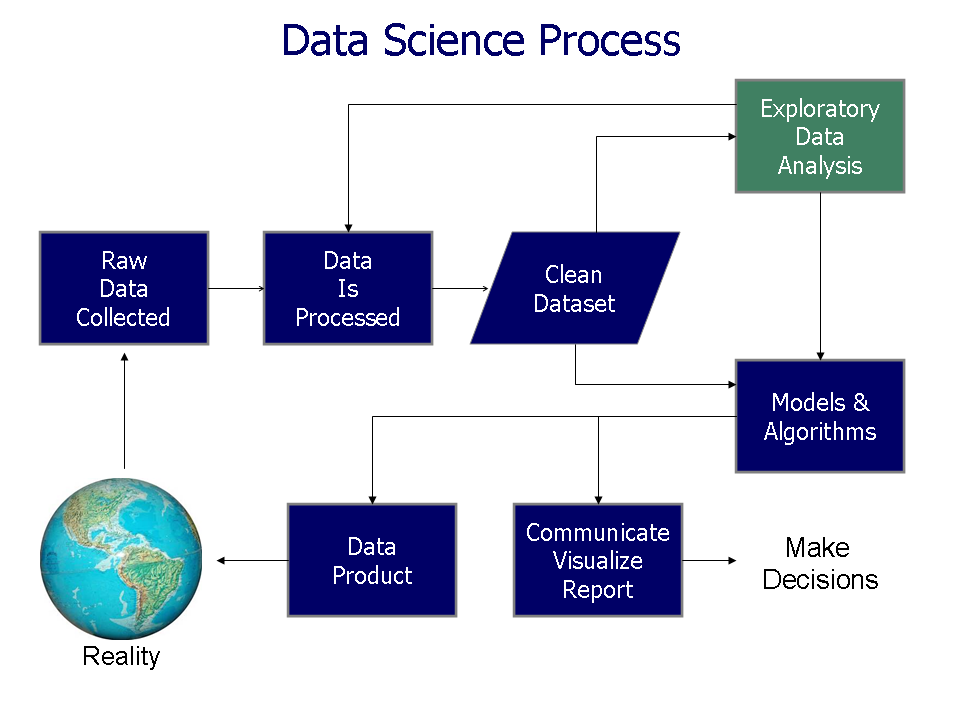
This data-driven approach doesn't replace the product manager's strategic vision. It enhances it. AI acts as a powerful co-pilot, handling the immense task of data analysis so you can focus on the 'why' behind the numbers and craft a truly responsive product strategy.
Ready to check your understanding?
What is the primary advantage of using AI in roadmapping compared to traditional methods?
How can a Natural Language Processing (NLP) model specifically contribute to creating a data-driven roadmap?
By moving beyond intuition and embracing an evidence-based approach, you can build roadmaps that are not only more accurate but also more resilient to a changing market.