AI for Monthly Income
Introduction to AI
What Is AI Anyway?
At its heart, Artificial Intelligence (AI) is the science of making computers smart. It’s about creating systems that can perform tasks that typically require human intelligence, like learning, reasoning, problem-solving, and understanding language. The goal is to build machines that can think and act on their own, often by mimicking the way our own brains work.
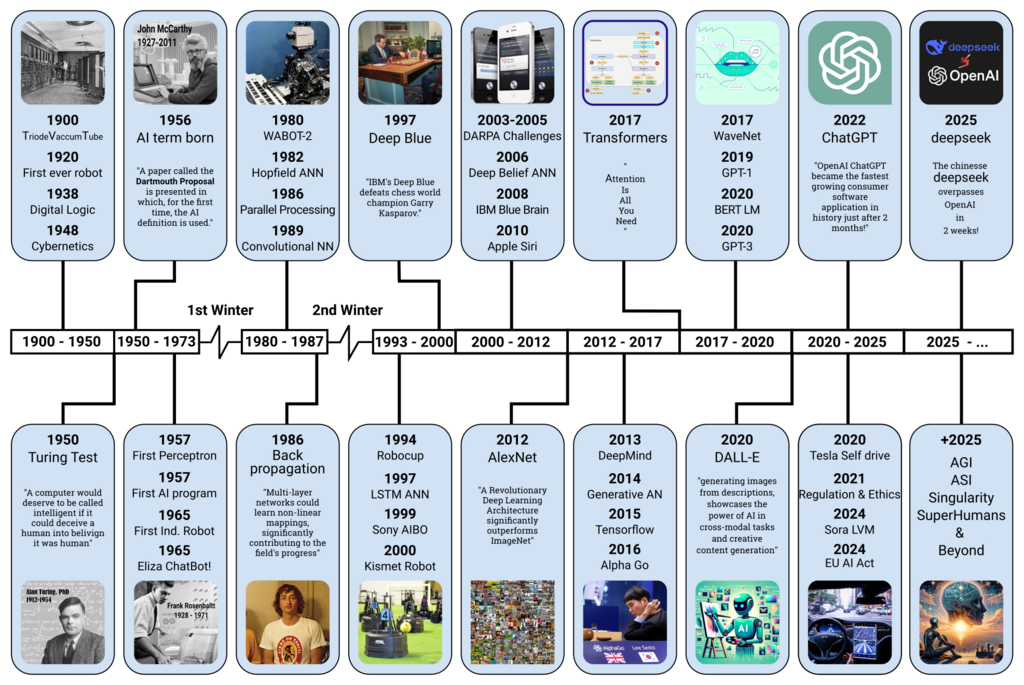
The idea isn't new. Thinkers have dreamed of intelligent machines for centuries. But the modern field of AI really began in the 1950s. Early researchers were optimistic, believing they could create human-like intelligence in just a few decades. Progress was slower than expected, but the core ideas laid the groundwork for everything we see today. After periods of both excitement and funding droughts, known as "AI summers" and "AI winters," the explosion of data and computing power in the 21st century finally allowed AI to flourish.
The AI Family Tree
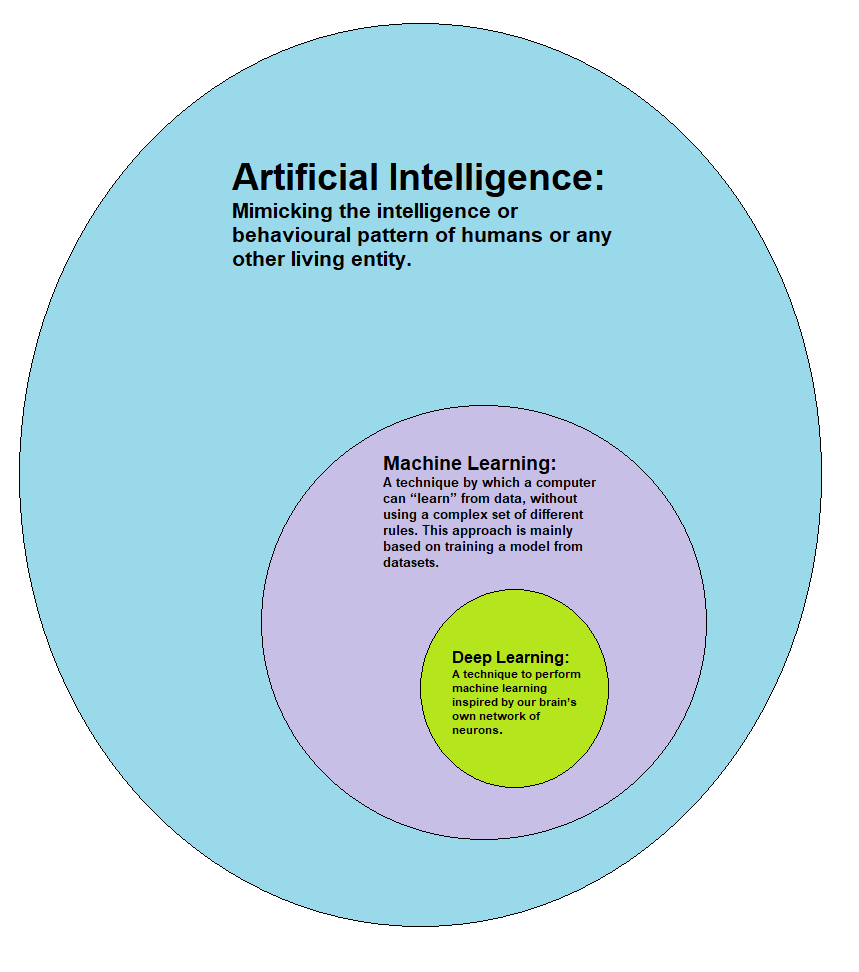
AI is a broad field, like 'biology' or 'engineering.' It contains many specialized areas. Understanding the relationship between them is key. The most important ones to know are Machine Learning, Deep Learning, and Natural Language Processing.
Machine Learning
noun
A type of AI that gives computers the ability to learn from data without being explicitly programmed. Instead of writing rules by hand, developers feed the system vast amounts of data, and the system learns the patterns itself.
Think of it like teaching a child to recognize a cat. You don't list out rules like 'has pointy ears, whiskers, and a tail.' You just show them lots of pictures of cats. Eventually, they learn to identify a cat on their own. That's the essence of machine learning.
Deep Learning is a specific, more advanced type of machine learning. It uses complex structures called 'neural networks,' which are inspired by the human brain. These networks have many layers, allowing them to learn from data in a more sophisticated, hierarchical way. Deep learning is the powerhouse behind many of the most impressive AI breakthroughs, like image recognition and self-driving cars.
Natural Language Processing (NLP) is another branch of AI focused on helping computers understand, interpret, and generate human language. It’s the technology that lets you talk to your phone, translate text instantly, or get a summary of a long article. NLP combines machine learning, deep learning, and linguistics to bridge the gap between human communication and computer understanding.
AI in the Wild
You probably use AI every day without even realizing it. It's not just sci-fi robots; it's woven into the fabric of our digital lives.
When Netflix suggests a movie you might like or Amazon recommends a product, that’s machine learning at work. It analyzes your past behavior and compares it to millions of others to make an educated guess about what you'll enjoy.
Ever used your face to unlock your phone? That’s deep learning. It powers computer vision systems that can identify objects, people, and places with stunning accuracy. It's also used in healthcare to analyze medical scans and in agriculture to monitor crop health.
When you ask Siri about the weather or use a customer service chatbot, you're interacting with NLP. This technology is crucial for everything from sentiment analysis (figuring out if a product review is positive or negative) to creating accessible tools for people with disabilities.
AI has quietly become the operating system for modern life. From entertainment and shopping to banking and travel, it helps personalize and streamline countless daily tasks.
Now that you have a grasp of what AI is and its different forms, you're ready to see how it can be put to work. Let's test your knowledge.
What is the primary goal of Artificial Intelligence?
Which of the following is the best example of Natural Language Processing (NLP)?
Understanding these core concepts is the first step. They are the building blocks for all the amazing tools and applications that AI makes possible.