AI for Modern Marketing
Introduction to AI in Marketing
The New Marketing Playbook
At its core, artificial intelligence is about teaching machines to learn, reason, and act like humans. It’s not about robots taking over the world; it’s about using technology to handle complex tasks that normally require human intelligence. In marketing, this means anything from understanding customer behavior to writing an email headline.
Artificial Intelligence
noun
A field of computer science dedicated to creating systems capable of performing tasks that typically require human intelligence, such as visual perception, speech recognition, decision-making, and language translation.
Marketing used to rely on broad assumptions. A company might run a TV ad during a popular show, hoping the right people were watching. It was a bit like fishing with a giant net and hoping to catch a specific type of fish.
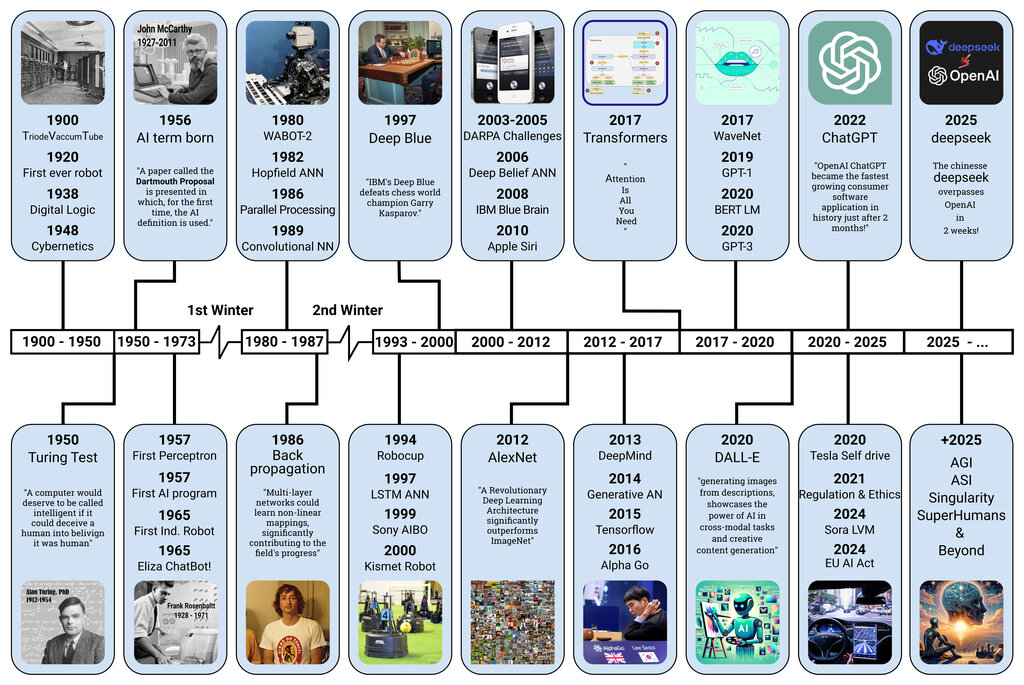
AI changed the game. Early forms of AI in marketing involved simple rule-based systems, like an email that automatically sends a 'welcome' message to a new subscriber. As technology evolved, so did its role in marketing, moving from simple automation to sophisticated prediction and analysis.
The Core Technologies
Two key technologies drive most of AI's power in marketing: machine learning and data analytics.
Think of machine learning as a system that gets smarter with experience, just like a person. When you stream a movie service, it watches what you like and starts recommending similar films. It's not explicitly programmed to know you love sci-fi comedies; it learns your preferences from your viewing history. That's machine learning in action.
Machine learning enables computers to find hidden insights without being explicitly programmed where to look.
Data analytics is the process of examining large datasets to find patterns, trends, and useful information. It's the fuel for the machine learning engine. Without data on what customers buy, which ads they click, or how they browse a website, AI would have nothing to learn from. Good data allows AI to make accurate predictions and smart decisions.
What This Means for Marketers
The partnership between AI and marketing delivers three major benefits.
Artificial Intelligence (AI) is revolutionizing the digital marketing landscape, allowing businesses to automate processes, analyze data more effectively, and create personalized customer experiences.
First, there's efficiency. AI automates repetitive tasks like sending follow-up emails or scheduling social media posts. This frees up marketers to focus on strategy and creative work—the things humans do best.
Next is personalization. AI analyzes a customer's past behavior to predict what they might want next. This allows businesses to show you product recommendations that feel uniquely tailored to you, creating a better customer experience.
Finally, AI enables data-driven decisions. Instead of relying on gut feelings, marketers can use AI to analyze data and get clear answers on what's working. It can tell you which ad design is most effective or the best time to send a promotional email, turning marketing from a guessing game into a science.
Ready to check your understanding?
What is the fundamental role of artificial intelligence in marketing?
How do machine learning and data analytics work together to power AI in marketing?
By handling the data-heavy lifting, AI empowers marketers to connect with customers in more meaningful and effective ways.