AI for Modern Marketing Strategies
Introduction to AI in Marketing
What Is AI in Marketing?
Artificial Intelligence (AI) in marketing is about using smart technology to make better decisions. It's not about robots writing slogans. Instead, it’s about using computer systems to analyze data, learn from it, and then perform tasks that traditionally require human intelligence. This helps businesses understand their customers on a deeper level and connect with them more effectively.
Artificial Intelligence (AI) is revolutionizing the digital marketing landscape, allowing businesses to automate processes, analyze data more effectively, and create personalized customer experiences.
Think of it as having a super-powered assistant. This assistant can sift through mountains of information to spot trends, predict what customers will want next, and even talk to thousands of people at once, personally. The goal is simple: deliver the right message to the right person at the right time. AI just makes it possible to do this on a massive scale.
The Core Benefits
So why is AI becoming so crucial for marketers? It comes down to three main advantages: personalization, automation, and insight.
Hyper-Personalization: AI allows brands to treat every customer as an individual. It analyzes a person's browsing history, past purchases, and even how they interact with an app to deliver recommendations and content tailored just for them. It’s the difference between a generic "You might like..." email and Netflix suggesting a new show you actually end up loving.
Intelligent Automation: Many marketing tasks are repetitive. AI can take over jobs like sending emails, scheduling social media posts, and even adjusting ad budgets in real-time. This frees up human marketers to focus on strategy, creativity, and building relationships, which are things machines can't replicate.
Deeper Customer Insights: Humans can spot patterns, but AI can see them in vast, complex datasets that would overwhelm any person. It can analyze thousands of customer reviews to gauge public sentiment or predict which customers are at risk of leaving. These insights allow businesses to be proactive instead of just reactive.
The Building Blocks
AI isn't a single technology; it's a collection of tools. For marketers, a few key concepts are especially important. These are the engines that power modern marketing strategies.
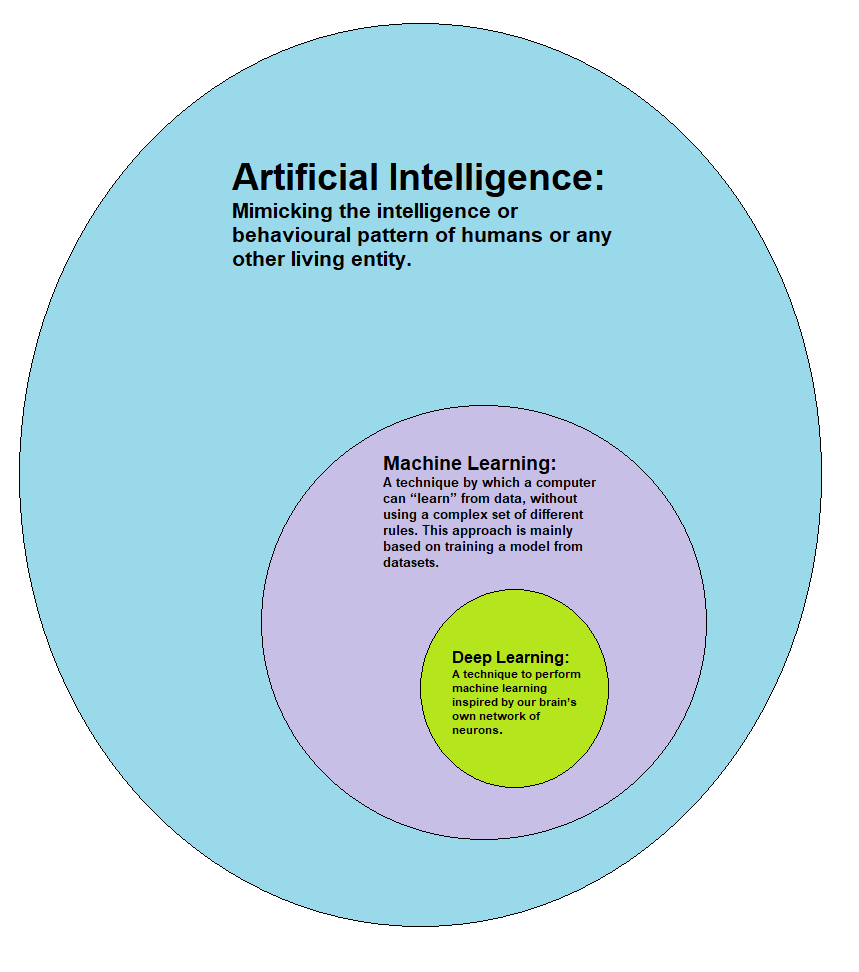
Understanding how these pieces fit together is the first step to seeing the bigger picture.
Machine Learning
noun
A type of AI that allows a computer system to learn from data and improve its performance on a task without being explicitly programmed. It identifies patterns and makes decisions.
Machine Learning (ML) is the workhorse of AI marketing. When Amazon suggests a product you might like, that's ML analyzing your past behavior and the behavior of millions of other shoppers to make an educated guess.
Natural Language Processing
noun
A field of AI that focuses on enabling computers to understand, interpret, and generate human language, both text and speech.
Natural Language Processing (NLP) is what bridges the gap between human communication and computer understanding. It powers customer service chatbots that can answer your questions, and it helps brands analyze social media comments to understand how people feel about their products.
Predictive Analytics
noun
The use of data, statistical algorithms, and machine learning techniques to identify the likelihood of future outcomes based on historical data.
This is like having a crystal ball for your business. Predictive analytics uses past data to forecast future trends. For example, it can help a company identify which customers are most likely to make a purchase in the next month, allowing the marketing team to target them with special offers.
What is the primary goal of using AI in marketing?
A company uses a chatbot on its website to understand and answer customer questions in real-time. Which AI technology is primarily responsible for this capability?
By understanding these fundamentals, you're ready to see how AI is applied in more specific and powerful ways across the marketing world.