AI for Mining ESG
Introduction to AI in Mining
What is AI?
Artificial Intelligence, or AI, is about creating smart systems that can perform tasks that usually require human intelligence. This includes things like learning from data, recognizing patterns, and making decisions.
Artificial Intelligence
noun
A field of computer science dedicated to creating systems that can perform tasks requiring human intelligence, such as visual perception, speech recognition, decision-making, and language translation.
Think of it not as a robot that looks human, but as a powerful tool for analysis and automation. Instead of being explicitly programmed for every single step, an AI system learns from vast amounts of information to identify trends and predict outcomes. It's the engine behind self-driving cars, personalized recommendations, and much more.
AI in the Mines
The mining industry, traditionally reliant on heavy machinery and manual labor, is undergoing a major transformation. AI is at the heart of this change, turning mining operations into highly efficient, data-driven enterprises.
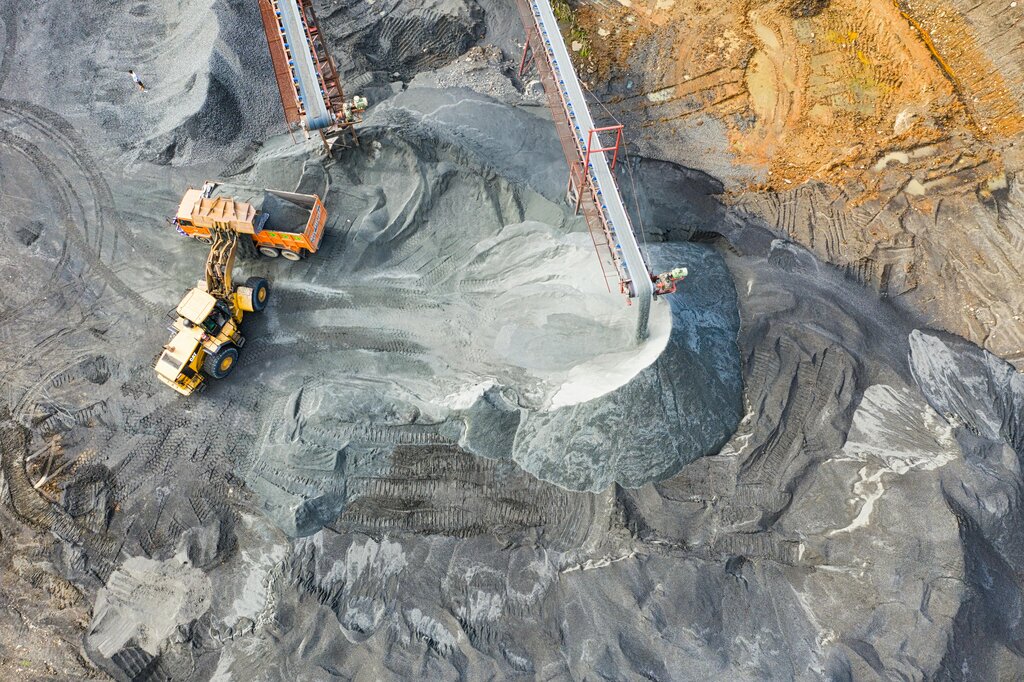
AI applications span the entire mining lifecycle. During exploration, AI algorithms can analyze geological data, satellite imagery, and seismic surveys to predict where valuable mineral deposits are located with much greater accuracy. This saves enormous amounts of time and money by focusing drilling efforts on the most promising areas.
In active mines, AI is used to automate vehicles and machinery, optimize drilling and blasting patterns, and manage the complex logistics of moving materials. It acts as a digital supervisor, constantly analyzing data from sensors to make real-time adjustments.
Smarter, Safer, More Efficient
The benefits of integrating AI into mining are significant. By optimizing processes, AI leads to higher yields and lower operational costs. But the impact goes beyond just the bottom line.
One of the most important benefits of AI in mining is improved safety. By automating dangerous tasks and predicting equipment failures, AI helps create a safer working environment for everyone on site.
Consider predictive maintenance. Instead of waiting for a critical piece of equipment like a haul truck or a crusher to break down unexpectedly, AI systems can monitor its performance in real-time. By analyzing data on vibration, temperature, and output, the AI can predict when a part is likely to fail and alert the maintenance team to fix it proactively. This prevents costly downtime and, more importantly, avoids accidents.
This case study shows how AI moves mining from a reactive to a proactive model. Instead of just responding to problems, mining companies can anticipate them. This same principle applies to optimizing routes for autonomous trucks to save fuel, adjusting ventilation systems for air quality, and managing water usage, all leading to a more efficient and responsible operation.
What is the primary function of AI in the mining industry as described in the text?
During the exploration phase, how does AI help mining companies?
As we've seen, AI is not a futuristic concept in mining; it's a practical tool being used today to make the industry safer, more productive, and more intelligent.