AI for Mechanical Contracting
Introduction to AI in Construction
What Is AI, Really?
Artificial Intelligence isn't about sentient robots from movies. In construction, it's about making machines and software smart enough to handle tasks that usually require human thinking. Think of it as a powerful assistant that can analyze data, recognize patterns, and help you make better decisions.
Artificial Intelligence
noun
The simulation of human intelligence in machines, enabling them to learn, reason, problem-solve, and understand language.
AI isn't a single technology; it's a broad field. For the construction industry, three key concepts are changing the game:
- Machine Learning (ML): This is where computers learn from data without being explicitly programmed. You can feed it data from dozens of past projects—timelines, costs, change orders, and outcomes. The ML model then learns to predict potential budget overruns or schedule delays on your current job.
- Computer Vision: This gives machines the ability to 'see' and interpret the physical world. By analyzing photos or videos from drones and site cameras, computer vision can track progress, spot safety hazards (like someone not wearing a hard hat), or check if an installation matches the design specs.
- Natural Language Processing (NLP): This is about teaching computers to understand human language. Construction projects generate mountains of text: contracts, RFIs, daily reports, and emails. NLP can instantly search, sort, and even summarize this information, saving countless hours.
AI on the Job Site
These AI concepts aren't just theoretical. They are being used right now to solve real problems in project management. For example, machine learning algorithms can act as an early warning system. By constantly analyzing project data, they can flag a task that is falling behind or a cost that is trending higher than expected, giving managers time to react before the problem escalates.
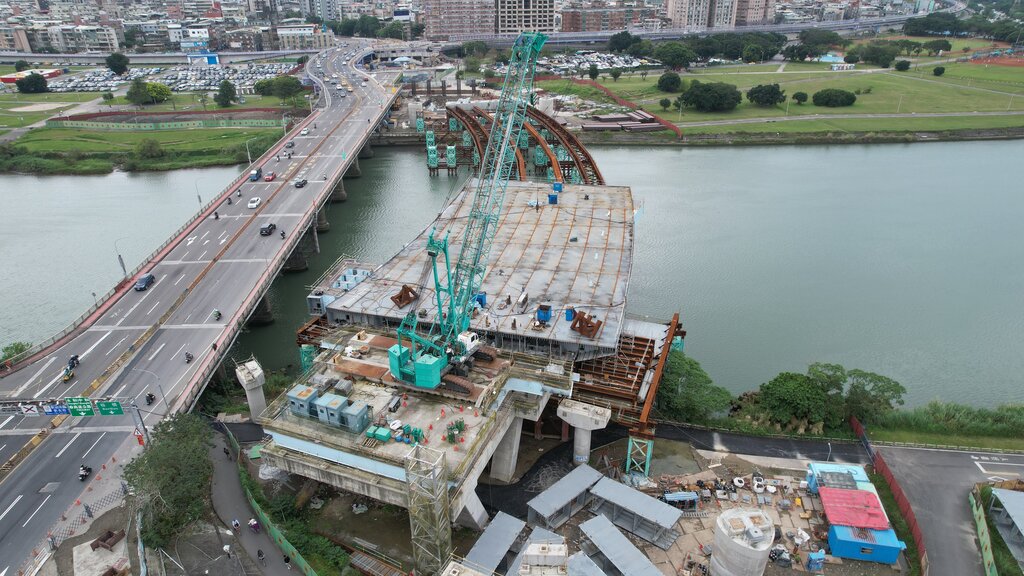
Computer vision takes site monitoring to the next level. Instead of just having a static camera feed, an AI system can actively watch it. It can automatically verify that materials are delivered to the right location, compare the as-built structure against the BIM model to catch deviations, and create a daily progress report complete with photos. This creates a reliable, objective record of the project's status without anyone having to walk the site for hours.
Think of it this way: AI helps you see problems before they become expensive crises.
And when it comes to paperwork, NLP is a game-changer. Imagine needing to know if a specific material substitution was ever approved. Instead of manually searching through months of emails and reports, you could simply ask the system. NLP tools can parse all project documents and deliver the answer in seconds.
Smarter Fabrication and Mechanical Work
In the specialized fields of mechanical work and fabrication, AI drives efficiency and precision. In the fabrication shop, waste is a major cost. Machine learning can optimize cutting patterns for pipes, ducts, and sheet metal, ensuring the maximum number of parts are cut from a single piece of raw material. This process, known as nesting, can significantly reduce scrap and lower material costs.
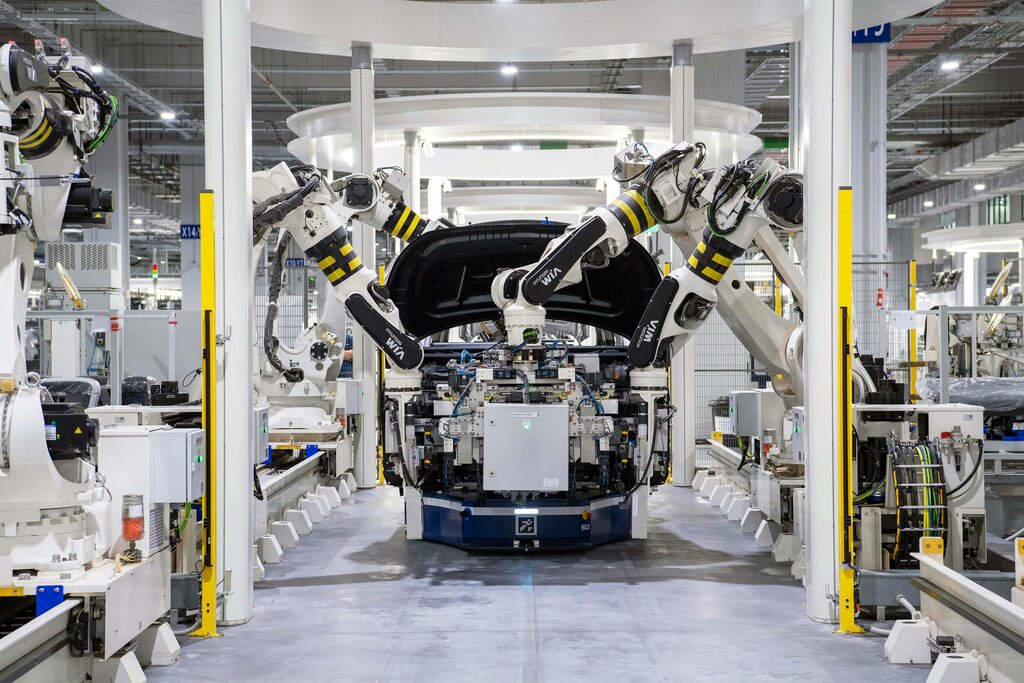
AI-powered robotics are also transforming assembly. Robots guided by computer vision can perform highly repetitive tasks like welding with perfect consistency, improving quality and speed. This frees up skilled fabricators to focus on more complex, custom work that requires their expertise.
For mechanical contractors on site, AI helps manage complexity. It can optimize the schedule for installing complex HVAC or plumbing systems, ensuring that crews and materials are in the right place at the right time. Computer vision can be used again here to scan an installation and verify that every valve, joint, and support is placed exactly according to the 3D model, preventing costly rework.
By integrating AI, fabrication becomes less about guesswork and more about data-driven precision.
Let's review the key terms we've covered.
Now, let's test your understanding of how these concepts apply to the industry.
Which of the following best describes the primary role of Artificial Intelligence (AI) in the construction industry?
A system that automatically scans site photos to compare the completed work against the 3D BIM model is using which type of AI?
By leveraging these technologies, construction firms can build faster, safer, and more efficiently. AI isn't about replacing human skill, but augmenting it with powerful tools for a new era of construction.