AI for Math Education
Introduction to AI in Education
What is Artificial Intelligence?
Artificial Intelligence, or AI, is the science of making computers do things that normally require human intelligence. Think of it like teaching a machine to learn, reason, and solve problems on its own. Instead of just following a strict set of pre-programmed instructions, an AI system can analyze information, recognize patterns, and make decisions.
At its core, AI is about creating systems that can perceive their environment, think, learn, and take actions in response to what they're sensing and their objectives.
A Quick Trip Through Time
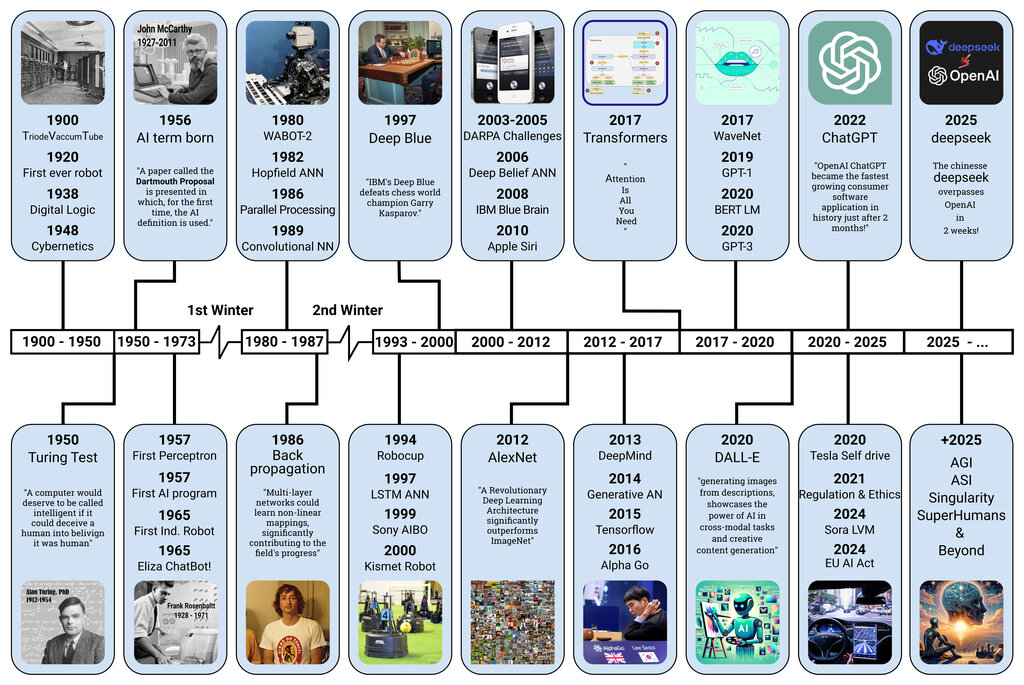
The idea of intelligent machines has been around for centuries, but the actual field of AI research began in the 1950s. Early pioneers believed they could simulate human intelligence with machines in just a few decades. Progress was slower than expected, with periods of high enthusiasm followed by funding cuts, known as "AI winters."
However, breakthroughs in computing power and the availability of vast amounts of data have led to the rapid advancements we see today. From playing chess to driving cars, AI has evolved from a theoretical concept into a practical technology that shapes our world.
Types of AI
AI isn't a single thing; it's a broad field with several subfields. You'll often hear terms like Machine Learning and Deep Learning used interchangeably with AI, but they have distinct meanings.
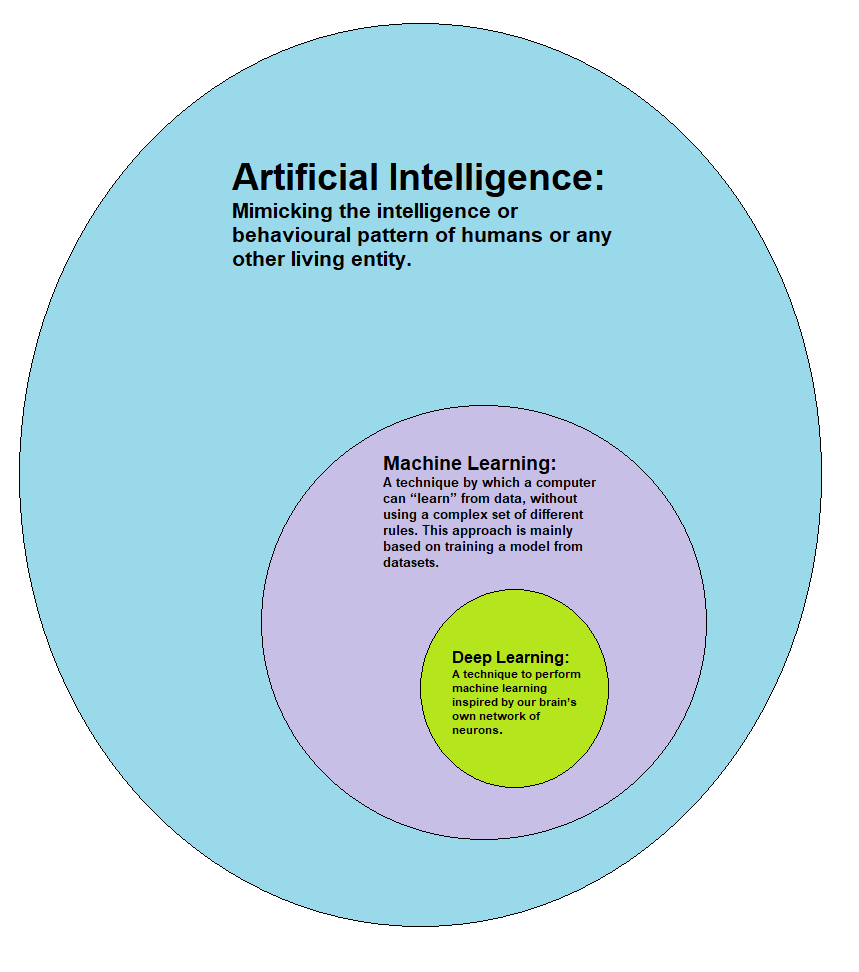
Artificial Intelligence (AI) is the overall concept of machines being able to carry out tasks in a way that we would consider "smart."
Machine Learning (ML) is a subset of AI. It's the practice of using algorithms to parse data, learn from it, and then make a determination or prediction about something in the world. Instead of being explicitly programmed, the machine "learns" from experience.
Deep Learning is a subset of machine learning based on artificial neural networks. These networks are inspired by the structure of the human brain, allowing them to process complex patterns in pictures, text, and sounds.
AI in the Classroom
In education, AI is not about replacing teachers. It's about providing powerful tools to enhance the learning experience for every student. AI can help create personalized learning paths, automate administrative tasks, and provide students with instant feedback.
Artificial intelligence (AI) has the potential to tackle some of the biggest challenges in today’s education landscape, innovate teaching and learning practices and accelerate progress in learning.
This technology can adapt to individual student needs, offering extra support in areas where a student is struggling or providing more advanced challenges for those who have mastered a concept. Here are a few examples of how AI shows up in educational tools.
| Application Type | Description | Example in Mathematics |
|---|---|---|
| Intelligent Tutoring Systems | AI acts as a personal tutor, guiding students through problems. | A system notices a student repeatedly making the same error in solving quadratic equations and offers a targeted hint or a video explaining the concept. |
| Adaptive Learning Platforms | The platform adjusts the difficulty of questions based on a student's performance. | If a student masters single-digit addition, the platform automatically introduces double-digit addition problems. |
| Automated Grading | AI provides instant feedback on assignments and quizzes. | A student completes a set of geometry problems online and immediately sees which answers are correct and receives explanations for the incorrect ones. |
These tools help free up teacher time, allowing them to focus on more complex aspects of teaching, such as fostering creativity and critical thinking skills. As we move forward, we'll explore specific tools that use these AI principles to make learning math more engaging and effective.
What is the primary goal of Artificial Intelligence?
Which statement best describes the relationship between AI, Machine Learning (ML), and Deep Learning?