AI for Marketing Mastery
Introduction to AI in Marketing
What Is AI in Marketing?
Artificial intelligence in marketing is the use of smart computer systems to make marketing efforts more effective. Think of it less like a robot taking over and more like a powerful assistant that can analyze huge amounts of information to understand what customers want. This helps businesses move beyond one-size-fits-all advertising and toward creating more relevant and helpful experiences for people.
Artificial Intelligence (AI) is revolutionizing the digital marketing landscape, allowing businesses to automate processes, analyze data more effectively, and create personalized customer experiences.
The main goal is to use data to make smarter decisions. AI can help identify patterns in customer behavior, automate repetitive tasks like sending emails, and personalize everything from website content to product recommendations. This allows marketing teams to focus on strategy and creativity, leaving the heavy data analysis to the machines.
The Engine of AI: Machine Learning
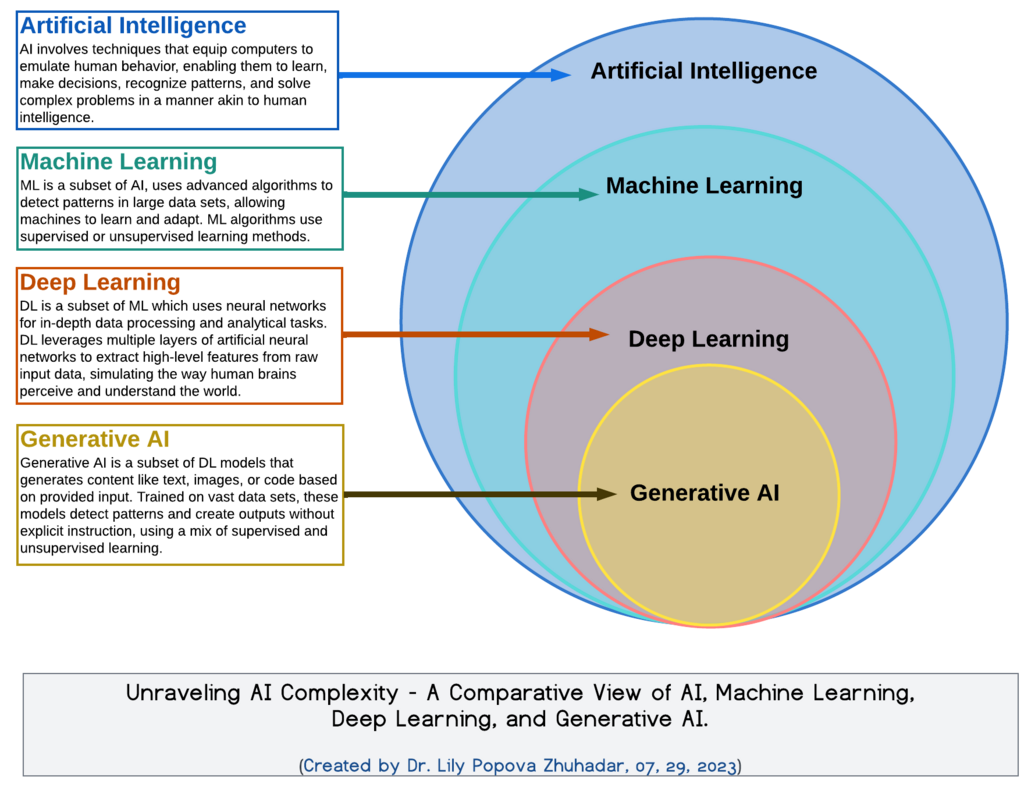
Machine learning (ML) is the core technology that makes most marketing AI possible. It's a way of teaching computers to find patterns and make predictions from data, without being explicitly programmed for every single task. Instead of following a rigid set of instructions, an ML model learns and improves on its own as it gets more data.
A common example is a product recommendation engine on an e-commerce site. The system observes the products you view, what you add to your cart, and what you ultimately buy. It compares your behavior to that of millions of other users. Over time, it learns to predict what you might like next. In marketing, this same principle is used to personalize ads, suggest relevant content, and even determine the best time to send a promotional offer.
Machine learning helps marketers move from guessing what customers want to predicting it based on data.
Understanding Human Language
Natural Language Processing (NLP) is a branch of AI that gives computers the ability to understand, interpret, and respond to human language. This is crucial for marketing, as so much of it revolves around communication.
One key application of NLP is sentiment analysis. An AI can scan thousands of customer reviews, social media comments, and survey responses to gauge public opinion about a product or brand. It can quickly tell you if the overall feeling is positive, negative, or neutral, and even identify specific themes or issues people are talking about.
Chatbots are another common example. Using NLP, a chatbot can understand a customer's question and provide a relevant answer or direct them to the right resource, offering 24/7 support without human intervention.
Predicting the Future
Predictive analytics uses data, statistical algorithms, and machine learning techniques to identify the likelihood of future outcomes based on historical data. For marketers, this is like having a crystal ball that's backed by numbers.
AI and ML can be used to analyze customer data and make predictions about what they may want next from the brand experience.
By analyzing past purchasing behavior, website browsing patterns, and demographic information, predictive models can forecast which customers are most likely to make a purchase, which ones might be at risk of leaving (known as "churn"), and what the potential lifetime value of a new customer might be. These insights allow companies to focus their marketing efforts where they'll have the biggest impact, such as by offering a special discount to a customer who is about to churn or showing targeted ads to high-value prospects.
Time to test your knowledge of these core concepts.
What is the primary goal of using artificial intelligence in marketing?
Which AI technology is best described as teaching computers to find patterns and make predictions from data without being explicitly programmed for every task?
By combining machine learning, natural language processing, and predictive analytics, AI gives marketers powerful tools to better understand and serve their customers.