AI for Marketing Leaders
Understanding AI in Marketing
What is AI, Really?
Artificial intelligence, or AI, is when a computer system performs tasks that normally require human intelligence. This can range from understanding language to recognizing patterns and making decisions. In marketing, we're mostly dealing with what's called Artificial Narrow Intelligence (ANI). These systems are designed to perform a specific task very well, like recommending a product or predicting which customers might leave.
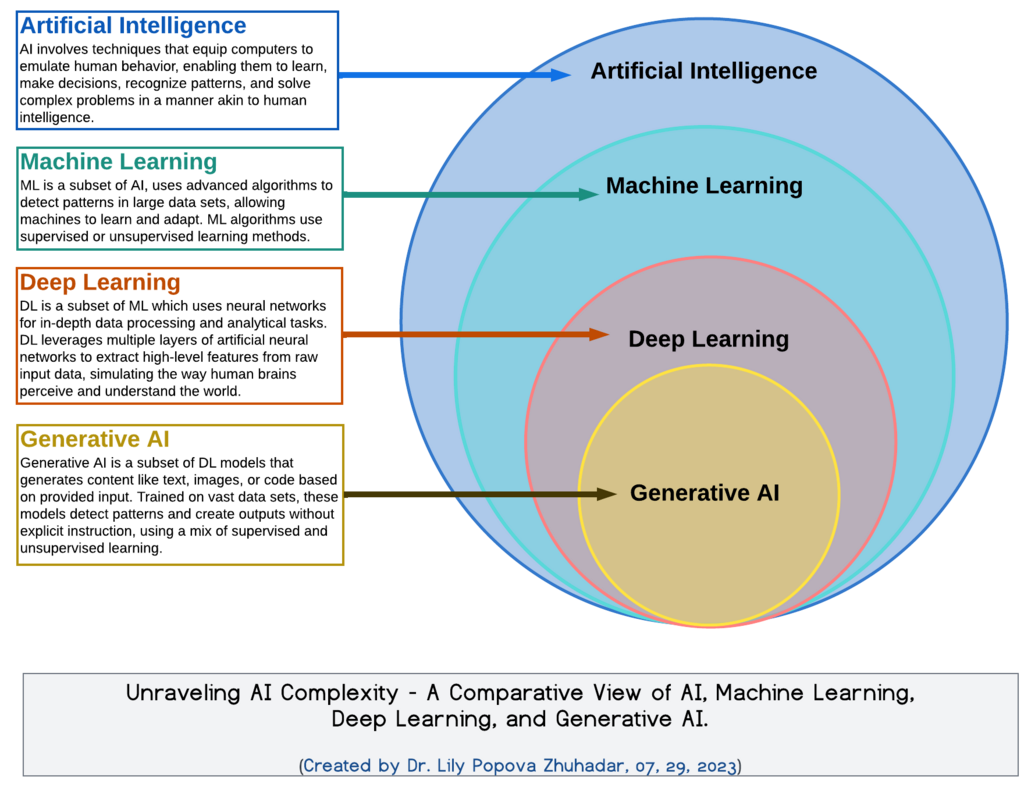
Within AI, two important concepts are Machine Learning (ML) and Deep Learning. Machine Learning is a subset of AI where systems learn from data to improve their performance over time without being explicitly programmed. Deep Learning is a further subset of ML that uses complex, multi-layered neural networks, inspired by the human brain, to handle more abstract tasks like image recognition and natural language processing.
Marketing professionals will learn the impact of AI systems and tools on the workplace and how to leverage these tools to perform marketing tasks such as persona development, search engine optimization (SEO), and content generation and personalization.
From Sci-Fi to Shopping Carts
AI in marketing isn't a new idea, but its power has grown exponentially. Decades ago, marketers relied on basic databases to segment customers into broad groups, like "new moms" or "retirees." It was a step up from mass advertising, but still very general.
The internet and big data changed everything. Companies started collecting vast amounts of information about customer behavior. Machine learning algorithms could then sift through this data to find subtle patterns, leading to better targeting and predictive analytics. Today, generative AI can create personalized emails, ad copy, and even images on the fly, making one-to-one marketing a reality.
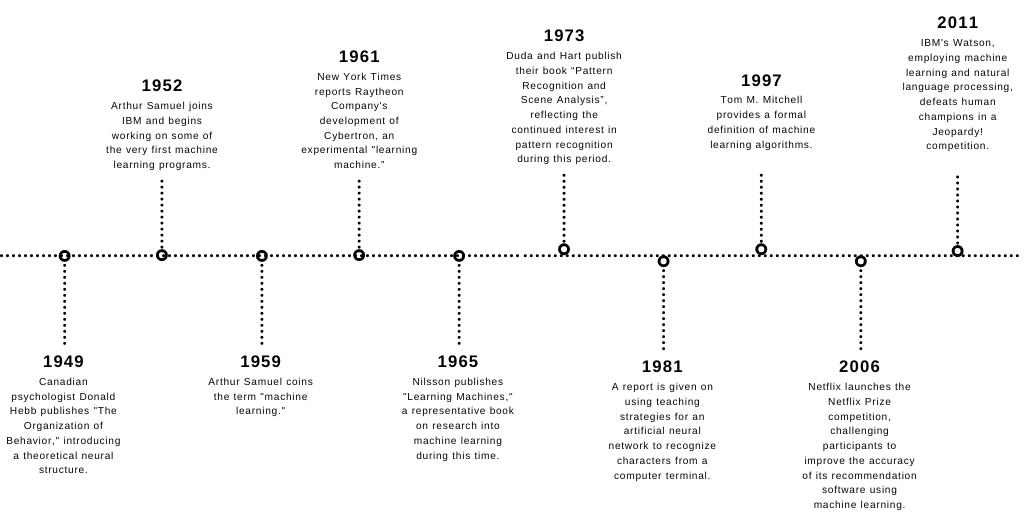
This shift moved marketing from making educated guesses based on demographics to making data-driven predictions based on individual behavior. Instead of just knowing you bought a product, AI knows how you bought it, when you might need a refill, and what other products you're likely to be interested in.
Knowing Your Customers
The greatest advantage AI offers marketers is a deep, nuanced understanding of their customers. Humans can't possibly process the sheer volume of data generated every second—website clicks, social media comments, purchase histories, and support tickets. AI can.
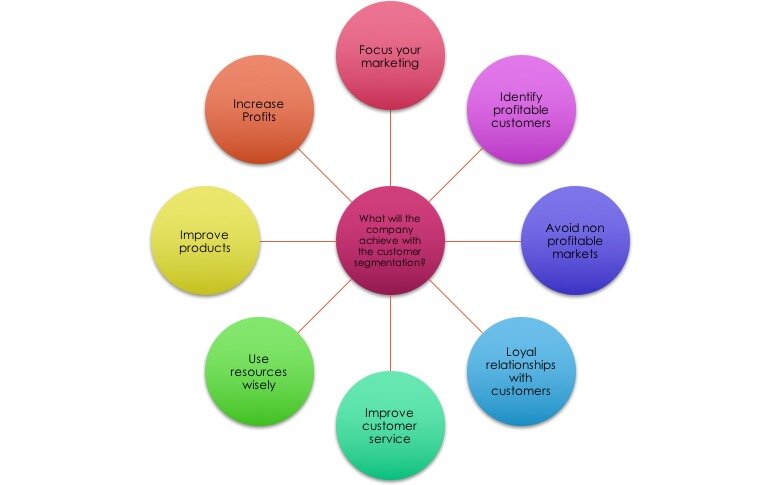
By analyzing this data, AI systems identify patterns and create detailed customer segments. This goes far beyond simple demographics. AI might discover a segment of users who only shop during sales, another who buys eco-friendly products exclusively, and a third who responds best to video ads. This allows businesses to tailor their strategies far more effectively.
This process is often called sentiment analysis. AI tools can scan reviews, social media posts, and survey responses to gauge public opinion about a brand or product. It can tell a company not just that people are talking, but how they feel. Is the reaction to a new feature positive? Is frustration growing around a certain customer service issue? This provides real-time feedback that would be impossible to gather manually.
The Era of True Personalization
Understanding customers is one thing; acting on that understanding is another. AI bridges this gap through personalization at scale. It uses customer insights to deliver the right message to the right person at the right time.
Think about the product recommendations you see on Amazon or the shows Netflix suggests for you. These are powered by AI algorithms that have analyzed your past behavior and compared it to millions of other users. The result is an experience that feels uniquely tailored to you.
Personalization isn't just about using a customer's first name in an email. It's about showing them content, products, and offers that are genuinely relevant to their needs and interests.
Other examples include:
- Dynamic Pricing: E-commerce sites and airlines use AI to adjust prices in real time based on demand, competitor pricing, and even an individual's browsing history.
- Personalized Content: A news website can show you more articles about technology if it knows that's what you read most, while showing another user more sports content.
- Predictive Targeting: AI can predict which customers are most likely to convert on a particular offer, allowing marketers to focus their ad spend more efficiently.
AI personalization marketing means using artificial intelligence to analyze customer behavior and deliver content, offers, and messages tailored to the individual—in real time and at scale.
Ethical Tightropes
The power of AI in marketing comes with significant responsibility. The same tools that create wonderful customer experiences can be used in ways that are intrusive or unfair.
One of the biggest concerns is data privacy. Marketers must be transparent about what data they collect and how it's used. Customers are increasingly wary of their digital footprint being tracked without their consent, and regulations like GDPR in Europe and CCPA in California enforce strict rules.
Another major challenge is algorithmic bias. An AI system is only as good as the data it's trained on. If the training data reflects historical biases, the AI will learn and amplify them. For example, an AI model for loan advertisements could unfairly target or exclude certain demographics if its training data was skewed. This can lead to discriminatory outcomes, damaging both customers and the company's reputation.
It is essential to have a public conversation about the ethical implications of using AI in marketing.
Finally, there's the issue of transparency. When an AI makes a decision—like showing one customer a higher price than another—it can sometimes be difficult to understand why. This "black box" problem makes it hard to hold systems accountable. Responsible AI marketing requires building systems that are explainable, fair, and secure.
Ready to check your understanding?
Which statement best describes the relationship between Artificial Intelligence (AI), Machine Learning (ML), and Deep Learning?
What is the primary way AI has transformed marketing from its earlier forms?
By understanding both the capabilities and the pitfalls, marketers can harness AI to build stronger, more respectful relationships with their customers.