AI for Marketing in VSCode
Introduction to AI in Marketing
AI's New Role in Marketing
Marketing has always been about connecting with people. But the ways we connect are changing fast, and artificial intelligence (AI) is at the center of that shift. Think of AI not as a replacement for marketers, but as a powerful assistant that can handle the repetitive, data-heavy tasks, freeing up human creativity for the big picture.
Instead of manually sorting through spreadsheets to understand customer behavior, marketers can now use AI to spot patterns in an instant. It’s the difference between navigating with a paper map and using a GPS that updates in real-time. Both can get you to your destination, but one is faster, more efficient, and can adapt to changing conditions on the fly.
Automating the Everyday
One of the most immediate benefits of AI in marketing is automation. Many daily marketing tasks are essential but time-consuming. AI can take these over, executing them with speed and precision.
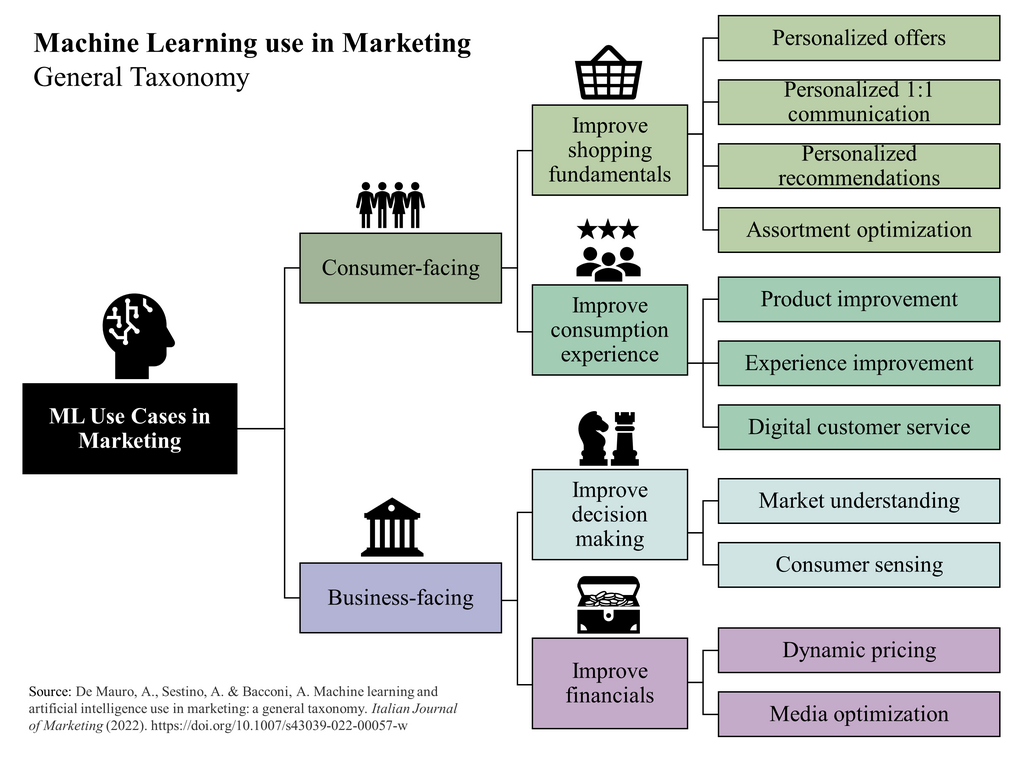
Consider email marketing. AI can help segment your audience into small, specific groups and then send personalized messages to each one automatically. It can even determine the best time to send an email to an individual for the highest chance of it being opened. The same goes for social media scheduling and managing bids for online ad campaigns. AI algorithms can adjust ad spending in real-time to maximize budget effectiveness, a task that would be impossible to do manually at scale.
By automating routine work, AI allows marketers to shift their focus from execution to strategy. More time can be spent on brainstorming creative campaigns, understanding customer needs, and building a stronger brand.
Supercharging Content and Data
Beyond simple automation, AI is a game-changer for content creation and data analysis. Need ideas for your next blog post? An AI tool can generate dozens of relevant topics based on current trends and keyword research. It can also write first drafts of ad copy, product descriptions, or social media posts, providing a solid starting point for a human writer to refine.
This doesn't remove the need for a human touch. The best results come when human creativity guides the AI's capabilities.
For today’s marketing directors and creative leads, embracing AI can unlock faster workflows, yet a real opportunity lies in the human component channeling machine assistance to serve meaningful storytelling and a consistent brand vision – rather than letting automation define the narrative.
On the data side, AI can analyze vast amounts of customer information from website visits, past purchases, and social media interactions. It uncovers insights into what customers want, how they behave, and what they're likely to do next. This allows for powerful personalization. Instead of showing the same generic ad to everyone, a company can show an ad for running shoes to someone who has been reading articles about training for a marathon. This level of relevance was difficult to achieve before AI.
Real-World Wins
Many companies are already using AI to create better marketing. Streaming services use AI to analyze your viewing habits and recommend new shows you'll probably love. This keeps you engaged on their platform. E-commerce giants use AI to power their recommendation engines, suggesting products based on your browsing history and what similar customers have purchased. This personalized shopping experience often leads to increased sales.
Even customer service is being enhanced by AI. Many websites now use AI-powered chatbots to answer common questions 24/7, providing instant support to customers and freeing up human agents to handle more complex issues.
These examples show that AI isn't just a futuristic concept; it's a practical tool that is already delivering real results in marketing. By automating tasks, enhancing content, and providing deep data insights, AI helps marketers create more efficient, personalized, and effective campaigns.