AI for Marketing Assistants
Introduction to AI in Marketing
What Is AI, Really?
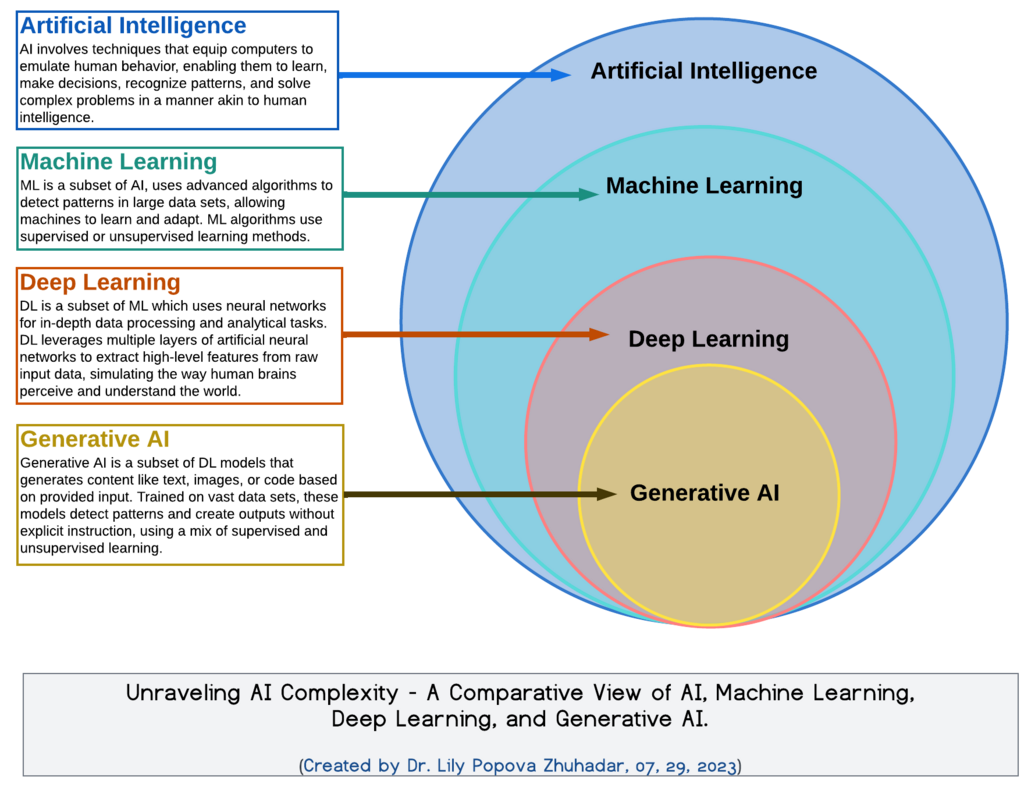
Artificial intelligence, or AI, is the science of making machines that can think like humans. It's a broad field focused on giving computers the ability to learn, reason, solve problems, and even be creative. Think of it less like a single technology and more like a whole toolbox of different methods for building smart systems.
The goal is to move beyond simple instructions. Instead of telling a computer exactly what to do step-by-step, we build systems that can figure things out on their own. This toolbox contains many specialized tools, but for marketing, two are especially important: Machine Learning and Natural Language Processing.
The Core Components
Machine Learning and Natural Language Processing are the engines that power most of the AI you see in marketing today. They each solve a different kind of problem.
Machine learning
noun
A type of AI that gives computers the ability to learn from data without being explicitly programmed. The system identifies patterns and makes decisions on its own.
In marketing, machine learning is the force behind recommendation engines, like when a streaming service suggests a new show. It analyzes your viewing history, compares it to millions of other users, and predicts what you'll want to watch next. It's also used to segment audiences, predict which customers might stop using a service, and personalize email campaigns.
Natural Language Processing
noun
A field of AI that focuses on enabling computers to understand, interpret, and generate human language in a valuable way.
Natural Language Processing, or NLP, bridges the gap between human communication and computer understanding. It powers the chatbots that answer your questions on websites and analyzes social media comments to gauge public feeling about a brand. By understanding the meaning and sentiment behind words, NLP helps marketers listen to their audience at a massive scale.
From Theory to Practice
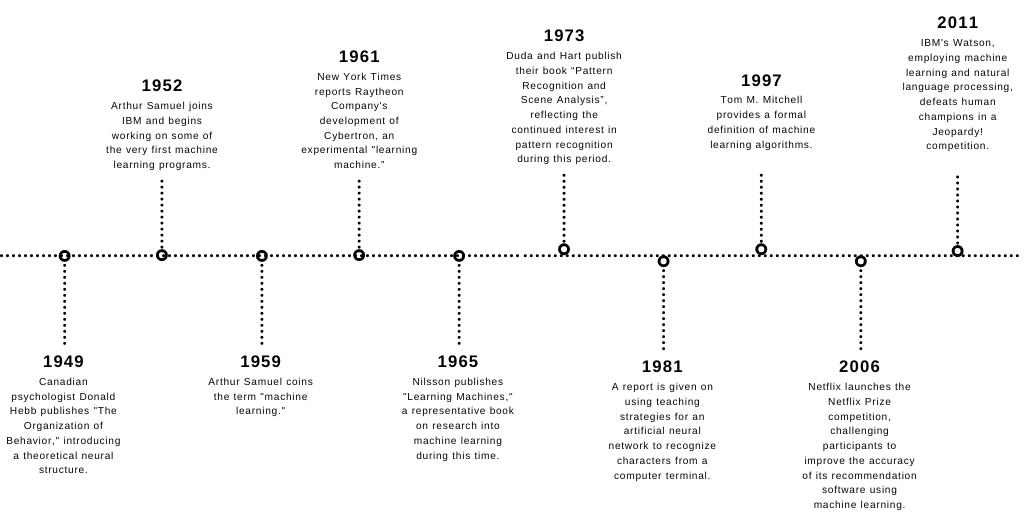
The idea of AI in marketing isn't new. For decades, marketers have used data to understand customers. They created customer segments based on demographics and purchase history. But these methods were manual, slow, and often based on small sets of data.
The big change came with the rise of the internet and big data. Suddenly, companies had access to enormous amounts of information about customer behavior. At the same time, computers became powerful enough to run the complex algorithms needed for true machine learning. What was once theoretical became practical. AI could now analyze vast datasets in real time, uncovering patterns no human could ever spot.
The Future of Marketing
Today, AI is reshaping what's possible. The biggest trend is hyper-personalization. Instead of marketing to broad segments, AI allows for marketing to an audience of one. It can tailor website content, product recommendations, and advertising messages to each individual's unique preferences and behaviors, all in real time.
AI personalization marketing means using artificial intelligence to analyze customer behavior and deliver content, offers, and messages tailored to the individual—in real time and at scale.
Looking ahead, this trend will only accelerate. AI will move from optimizing existing campaigns to generating entirely new marketing strategies. It will predict market shifts, identify new audiences, and even create advertising copy and visuals. The role of the marketer is shifting from manual execution to strategic oversight, guiding AI systems to achieve business goals.
This foundation in AI, machine learning, and NLP is the key to understanding the modern marketing landscape.