AI for Marketers
Introduction to AI in Marketing
Marketing Gets Smarter
Marketing has always been about connecting with people. In the past, that meant casting a wide net with newspaper ads or TV commercials, hoping to catch the right audience. Today, technology allows for a much sharper approach. Artificial intelligence, or AI, is at the heart of this shift.
AI marketing is the application of artificial intelligence technologies to the marketing field to improve efficiency and effectiveness.
At its core, AI marketing uses smart systems to understand customer data and make decisions. This isn't about replacing human marketers with robots. It's about giving them powerful tools to do their jobs better.
The evolution has been gradual. It started with simple automation, like scheduling social media posts. Now, AI can analyze vast amounts of data in real-time to create truly personal experiences for customers. Instead of one message for everyone, AI helps deliver the right message to the right person at the right time.
AI in Action Today
AI isn't some far-off future concept; it's already a part of your daily life. When Netflix suggests a movie you end up loving, or Amazon recommends a product you actually need, that's AI at work. Marketers use these same principles in many different ways.
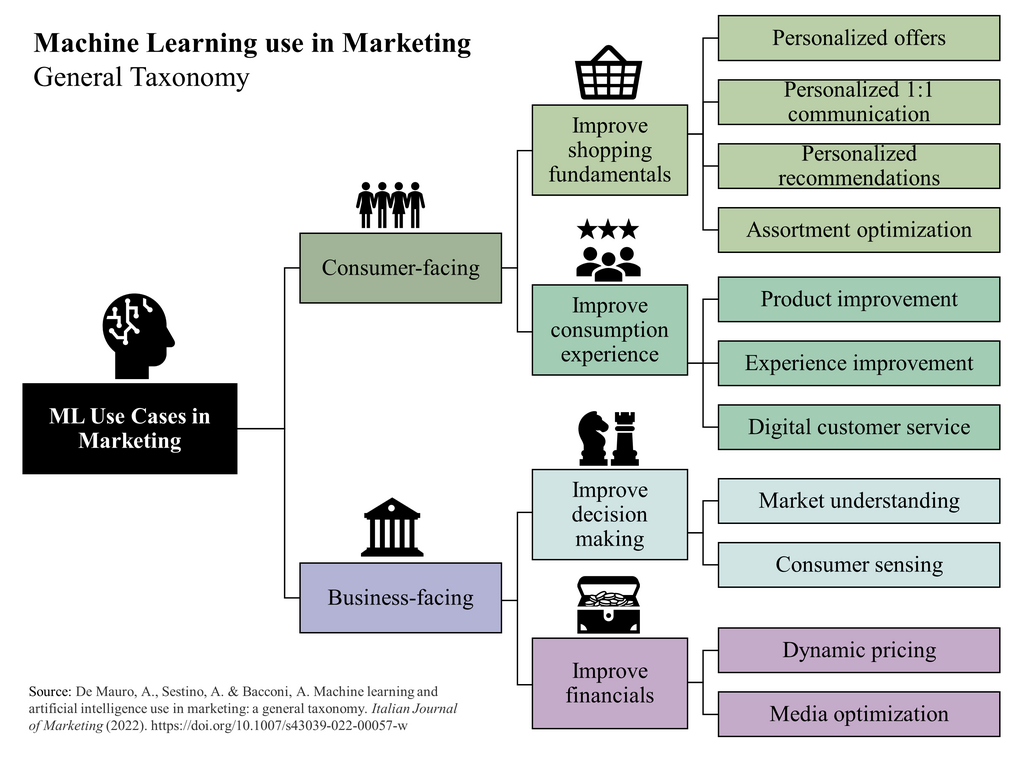
The main goal is personalization. AI sifts through data—like browsing history, past purchases, and even how you interact with an app—to understand what you're interested in.
This allows for incredibly targeted advertising and content. Instead of seeing ads for cat food when you own a dog, you see relevant offers that feel helpful, not intrusive.
AI also plays a huge role in communication. Many websites now use AI-powered chatbots to offer instant customer support. These bots can answer common questions 24/7, freeing up human agents to handle more complex issues. They can guide you through a purchase or help you find information quickly.
AI-powered tools, like chatbots, automated email marketing, and CRM systems with AI integration, help businesses stay connected with customers, improve response times, and boost repeat purchases.
Another major application is predictive analytics. By analyzing past trends, AI can forecast future outcomes. This helps marketers make smarter decisions, like which products to promote, which customers are most likely to buy, or how much to spend on advertising to get the best results.
Why It Matters
Integrating AI into a marketing strategy isn't just about using fancy new technology. It provides real, tangible benefits for both businesses and consumers.
For businesses, the biggest advantage is efficiency. AI automates repetitive tasks, analyzes data faster than any human ever could, and provides insights that lead to better campaign performance. This means a higher return on investment (ROI), as marketing budgets are spent more effectively.
AI allows marketers to automate traditionally human work and decision-making, gain customer insights, and use data in real-time to personalize experiences, optimize targeting, and maximize return on investment (ROI).
For customers, the benefit is a better experience. When marketing is personalized and relevant, it feels less like an interruption and more like a helpful service. You discover products you genuinely like and get your questions answered instantly. It builds stronger, more loyal relationships between a brand and its audience.
Ultimately, AI empowers marketers to move beyond guesswork and make data-driven decisions that create more meaningful connections.
Now, let's test your understanding of these core concepts.
What is the primary function of AI in modern marketing?
True or False: The main benefit of AI for customers is that they receive more marketing messages than ever before.