AI for Manufacturing Efficiency
Introduction to AI in Manufacturing
AI on the Factory Floor
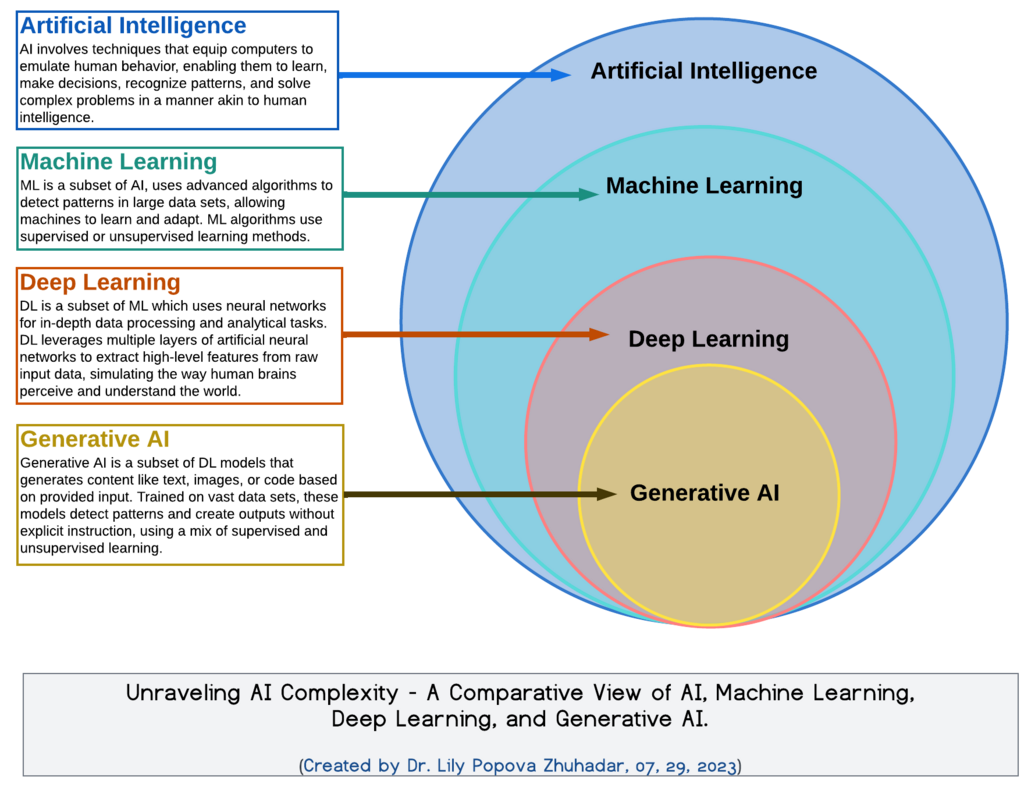
Artificial intelligence isn't just about self-driving cars or chatbots. At its core, AI is the science of making machines smart—enabling them to learn, reason, and adapt. For decades, factories have used automation, which involves programming machines to perform the same task over and over. AI takes this a huge step forward. Instead of just following rigid instructions, an AI system can analyze new information and make its own decisions.
Think of it as the difference between a simple calculator and a skilled accountant. The calculator follows rules perfectly but can't offer advice. The accountant uses their knowledge to spot trends, find efficiencies, and plan for the future. AI brings that level of intelligence to the factory floor, not to replace workers, but to give them powerful new tools.
Key AI Tools for Manufacturing
Two types of AI are particularly transformative for manufacturing: machine learning and computer vision. They sound complex, but their functions are straightforward.
Machine Learning
noun
A type of AI that allows computer systems to learn from data, identify patterns, and make decisions with minimal human intervention.
Machine learning is the engine behind predictive maintenance. Instead of waiting for a critical piece of equipment to fail, AI models can analyze data from sensors—like temperature, vibration, and noise levels—to predict a breakdown before it happens. This allows you to schedule repairs during planned downtime, avoiding costly emergency shutdowns.
Instead of fixing machines when they break, AI helps you fix them before they break. This simple shift saves time, money, and headaches.
Computer vision gives machines the ability to “see” and interpret the world. In manufacturing, this has a huge impact on quality control. A camera powered by a computer vision system can inspect products on an assembly line far faster and more accurately than the human eye. It can spot tiny defects, verify that all components are present, and ensure every product meets exact specifications.
Putting AI to Work
Let's look at a practical example. A medium-sized company that makes metal parts was struggling with quality control. A small percentage of their parts had microscopic cracks that were difficult to spot, leading to customer complaints. They were inspecting parts manually, but it was slow and not always accurate.
By implementing a computer vision system, they installed a high-resolution camera over the conveyor belt. The AI was trained on thousands of images of good and defective parts. Now, the system inspects every single part in real-time, flagging any with potential flaws instantly. The result? Their defect rate dropped near zero, and their human inspectors could focus on more complex quality assurance tasks instead of repetitive visual checks.
Another company used machine learning to optimize their energy consumption. By analyzing data from their machinery and the local power grid, the AI model figured out the cheapest times to run their most energy-intensive equipment, cutting their utility bills by 15% without slowing down production.
These aren't futuristic ideas—they are practical applications that help businesses become more efficient and competitive. AI provides the tools to make smarter decisions, improve quality, and streamline operations.
What is the primary difference between traditional automation and Artificial Intelligence in a manufacturing setting?
Which type of AI is used for predictive maintenance, analyzing sensor data like temperature and vibration to foresee equipment breakdowns?