AI for Lexicography
Introduction to Lexicography
The Art of Dictionary Making
Every time you look up a word, you're interacting with the final product of a long and detailed process. That process, the art and science of compiling dictionaries, is called lexicography. It's more than just listing words and their meanings. Lexicography involves carefully selecting which words to include, researching their origins and usage, crafting clear definitions, and organizing everything in a useful way.
lexicography
noun
The practice of compiling, writing, and editing dictionaries.
Think of a lexicographer as a mapmaker for a language. They don't invent the terrain; they document it. Their work captures a snapshot of how a language is used by its speakers at a specific point in time, showing how words are born, how their meanings shift, and sometimes, how they fall into disuse.
A Brief History
The earliest dictionaries weren't for native speakers. They were simple word lists, often bilingual, created thousands of years ago in places like ancient Mesopotamia. Scribes would create lists on clay tablets to help them understand religious texts in older languages or to facilitate trade with other cultures. For centuries, this was the primary purpose of a dictionary: to bridge a gap between two different languages.
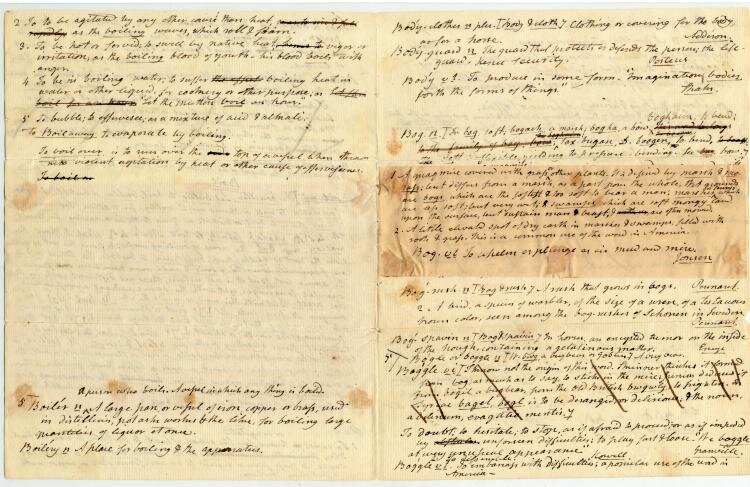
The idea of a comprehensive dictionary for a single language came much later. In the 17th and 18th centuries, scholars in Europe began to create monolingual dictionaries to standardize spelling and usage. Samuel Johnson's A Dictionary of the English Language (1755) was a landmark achievement, celebrated for its detailed definitions and literary examples.
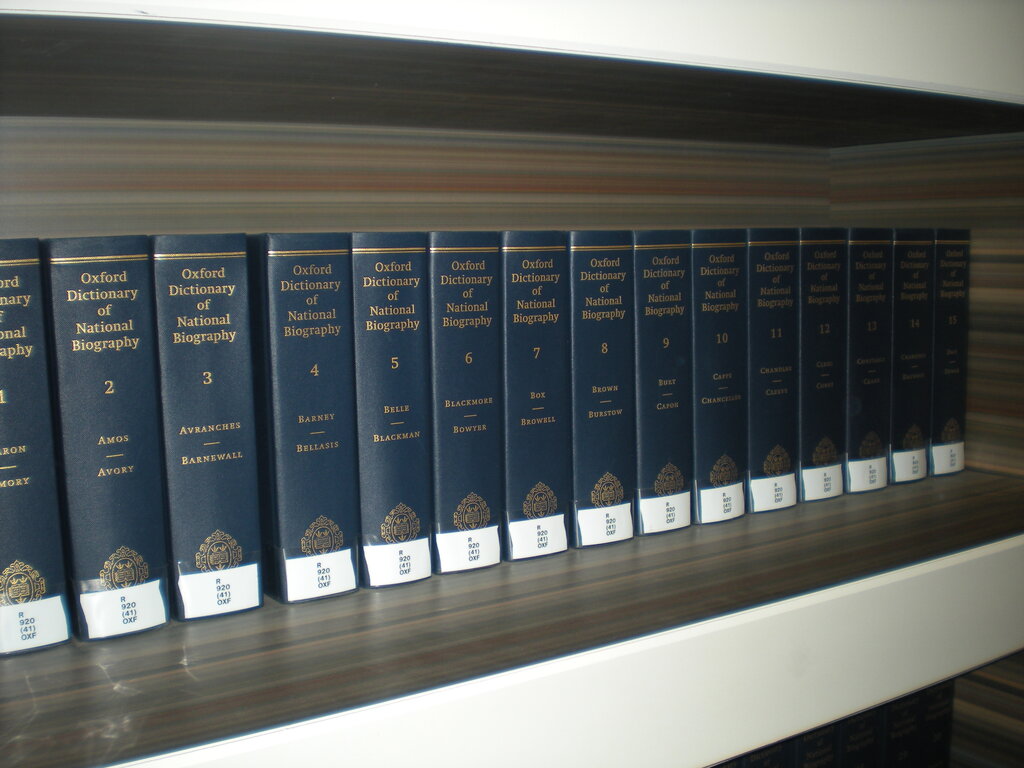
This prescriptive approach, telling people how they should use a language, eventually gave way to a more descriptive one. The goal shifted to recording the language as it was actually used. The most famous example is the Oxford English Dictionary (OED), which began in the 19th century. Its mission was to trace the historical development of every word in the English language.
Types of Dictionaries
Not all dictionaries serve the same purpose. They are designed for different users with different needs. The most common types fall into a few key categories.
Monolingual dictionaries explain words in the same language. If you're an English speaker looking up the word "ephemeral" in an English dictionary, you're using a monolingual one.
These are the standard dictionaries we use for definitions, spelling, pronunciation, and etymology (word origins). They are essential tools for native speakers looking to deepen their understanding of their own language.
Bilingual dictionaries are for translation. They provide word equivalents between two languages, like an English-Spanish or Japanese-German dictionary. Their primary goal is to help a user understand or produce text in a foreign language.
Finally, there are specialized dictionaries. These focus on a specific subject area. You might find a dictionary of medical terms, a dictionary of legal jargon, or a dictionary of slang. They dive deep into the vocabulary of a particular field, profession, or subculture, providing definitions that might not be found in a general-purpose dictionary.
| Dictionary Type | Primary Purpose | Example User |
|---|---|---|
| Monolingual | Definition and usage | A native speaker writing an essay |
| Bilingual | Translation | A student learning French |
| Specialized | Field-specific terminology | A doctor looking up a medical term |
Understanding these foundations gives us a framework for appreciating the complex task of documenting language. Lexicographers provide the structure and knowledge that helps us communicate with clarity and precision.