AI for Kids Safe Exploration
Introduction to Artificial Intelligence
What is Artificial Intelligence?
At its core, Artificial Intelligence (AI) is about teaching computers to think, learn, and solve problems much like humans do. Think of it like teaching a child. At first, you show them pictures of a cat and say "cat." After seeing enough examples, the child learns to recognize a cat on their own. AI works in a similar, but much more complex, way. It involves training computer systems on vast amounts of data so they can recognize patterns, make predictions, and perform tasks that typically require human intelligence.
Artificial Intelligence
noun
A field of computer science dedicated to creating systems capable of performing tasks that normally require human intelligence, such as visual perception, speech recognition, decision-making, and translation between languages.
This involves creating algorithms, which are like recipes or sets of instructions, that allow the machine to process information and learn from it. The goal isn't just to make a machine follow commands, but to enable it to adapt and make intelligent choices on its own.
A Quick Trip Through Time
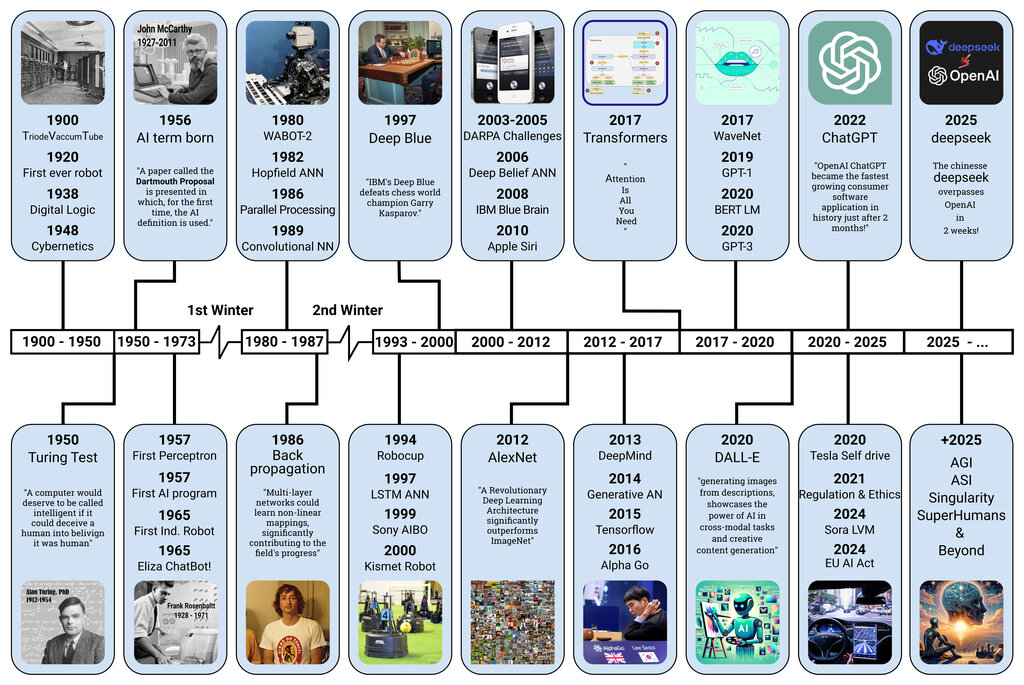
The idea of intelligent machines has been around for centuries, but the actual field of AI began in the 1950s. Early pioneers believed they could simulate every aspect of human intelligence if they just wrote clever enough programs. Progress was exciting but slow, and the field went through several "AI winters"—periods when funding and interest dried up because the technology couldn't live up to the hype.
Everything changed with two key developments: the internet, which created massive amounts of data to train AI, and the invention of much more powerful computers. These breakthroughs fueled the rapid advancements we see today, moving AI from university labs into our daily lives.
Types of AI
When people talk about AI, they are usually referring to one of two categories: Narrow AI or General AI. Understanding the difference is key to understanding what AI can—and can't—do today.
Almost all the AI you interact with every day is Narrow AI.
Artificial Narrow Intelligence (ANI), or Weak AI, is designed to perform a single, specific task. It operates within a limited context and can't do anything beyond its programming. A spam filter in your email is a perfect example. It's incredibly good at identifying junk mail, but it can't write an email for you or organize your calendar.
Artificial General Intelligence (AGI), or Strong AI, is the more sci-fi version of AI. This is a machine with the ability to understand, learn, and apply its intelligence to solve any problem, just like a human. It could learn to play chess, then use that knowledge to help it learn a new language or compose music. AGI is purely theoretical right now; it does not exist.
| Feature | Narrow AI (ANI) | General AI (AGI) |
|---|---|---|
| Scope | Performs a specific task | Can handle any intellectual task |
| Learning | Limited to its defined task | Can learn and adapt across domains |
| Existence | Exists today (e.g., Siri, Alexa) | Theoretical, does not exist yet |
| Consciousness | None | Potentially self-aware (hypothetical) |
AI in Your Everyday Life
You might be surprised by how often you use AI without even thinking about it. These systems are running behind the scenes, making many of our modern conveniences possible.
When you ask a smart speaker for the weather, that's AI processing your voice and finding the information. When your favorite streaming service suggests a new show you might like, that's an AI recommendation engine analyzing your viewing habits. Other common applications include:
- Navigation: Apps like Google Maps use AI to analyze traffic data in real-time to find the fastest route.
- Online Shopping: E-commerce sites use AI to show you products you might be interested in based on your browsing history.
- Banking: AI helps banks detect fraudulent transactions by identifying unusual spending patterns.
- Photography: Your phone's camera uses AI to recognize faces, adjust lighting, and improve the quality of your photos automatically.
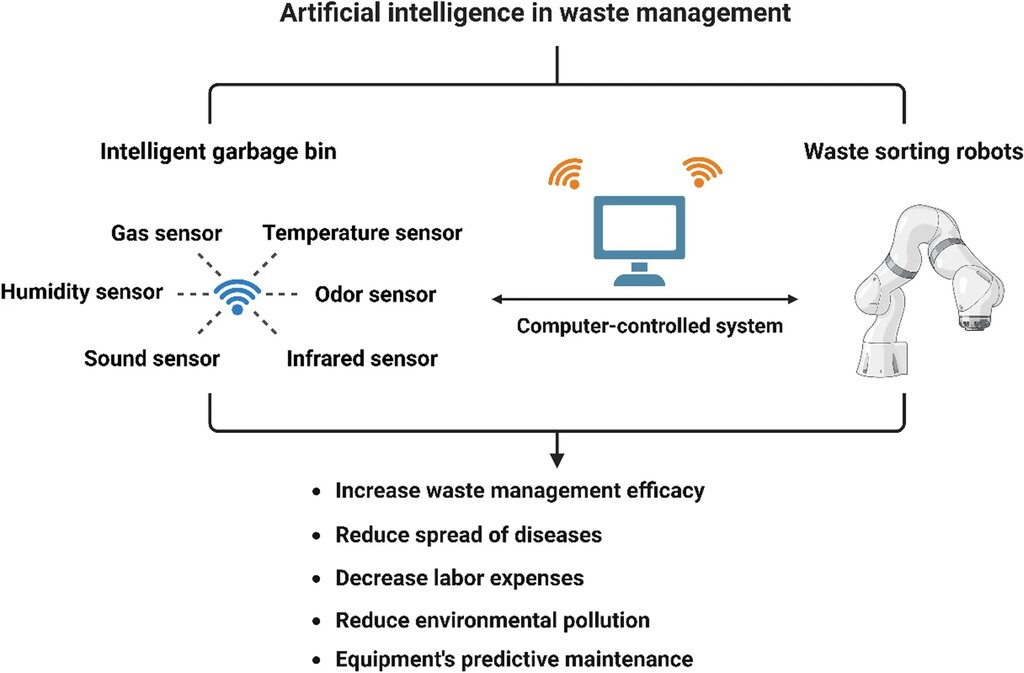
From simple conveniences to complex problem-solving, AI is a powerful tool that's already deeply woven into the fabric of our world. Understanding these fundamental concepts is the first step toward navigating its role in our lives and the lives of our children.