AI for Internal Audit Excellence
Introduction to AI in Internal Audit
A Smarter Look Inside
Internal audit has always been the process of checking a company's homework. Teams dive into financial records, operational processes, and compliance systems to make sure everything is running as it should. Traditionally, this meant long hours spent manually reviewing samples of data, looking for errors or red flags. It was a bit like trying to find a specific grain of sand on a very large beach by examining one handful at a time.
Artificial intelligence is changing that. When we talk about AI in internal audit, we're not talking about sentient robots taking over. Instead, we mean using smart systems to analyze vast amounts of information, identify patterns, and pinpoint risks far more effectively than humanly possible. Think of it as giving auditors a powerful metal detector for that beach. They can now scan the entire landscape and only dig when the machine signals something unusual.
The introduction of AI technology can facilitate a shift in internal control mechanisms from traditional passive defense to proactive prediction and dynamic optimization, effectively boosting an organization’s flexibility and resilience.
Core Benefits of AI Integration
Integrating AI into the audit process isn't just about speed; it's about fundamentally changing the scope and quality of the work. The primary benefits fall into a few key categories.
| Benefit | Traditional Audit | AI-Powered Audit |
|---|---|---|
| Scope | Sample-based testing (small fraction of data) | Full population testing (100% of data) |
| Speed | Slow, manual, and periodic | Fast, automated, and continuous |
| Accuracy | Prone to human error | Higher accuracy and consistency |
| Insights | Backward-looking (what happened) | Predictive and proactive (what might happen) |
By analyzing every single transaction instead of just a sample, AI systems can uncover subtle anomalies that would otherwise go unnoticed. This complete coverage drastically reduces the risk of missing a critical error or a fraudulent transaction. It also frees up auditors from repetitive, low-value tasks, allowing them to focus their expertise on investigating complex issues and providing strategic advice to the business.
AI's Role Across the Audit Cycle
AI isn't a single tool but a set of capabilities that can be applied at different stages of an audit. Its applications help create a more dynamic and responsive audit function.
From assessing risks to detecting fraud, AI provides a more comprehensive and forward-looking view.
Smarter Risk Assessment Instead of relying solely on past experience and annual plans, AI can analyze internal data (like transaction logs) and external data (like market trends or regulatory news) to identify emerging risks in real time. It can predict which business units or processes are most vulnerable, allowing audit teams to focus their efforts where they're needed most.
Deeper Data Analysis Imagine trying to manually review every expense report filed in a year. It's impossible. AI can do it in minutes. It can automatically flag duplicate payments, out-of-policy spending, and unusual vendor activities. This allows auditors to move from simply finding errors to understanding why they're happening.
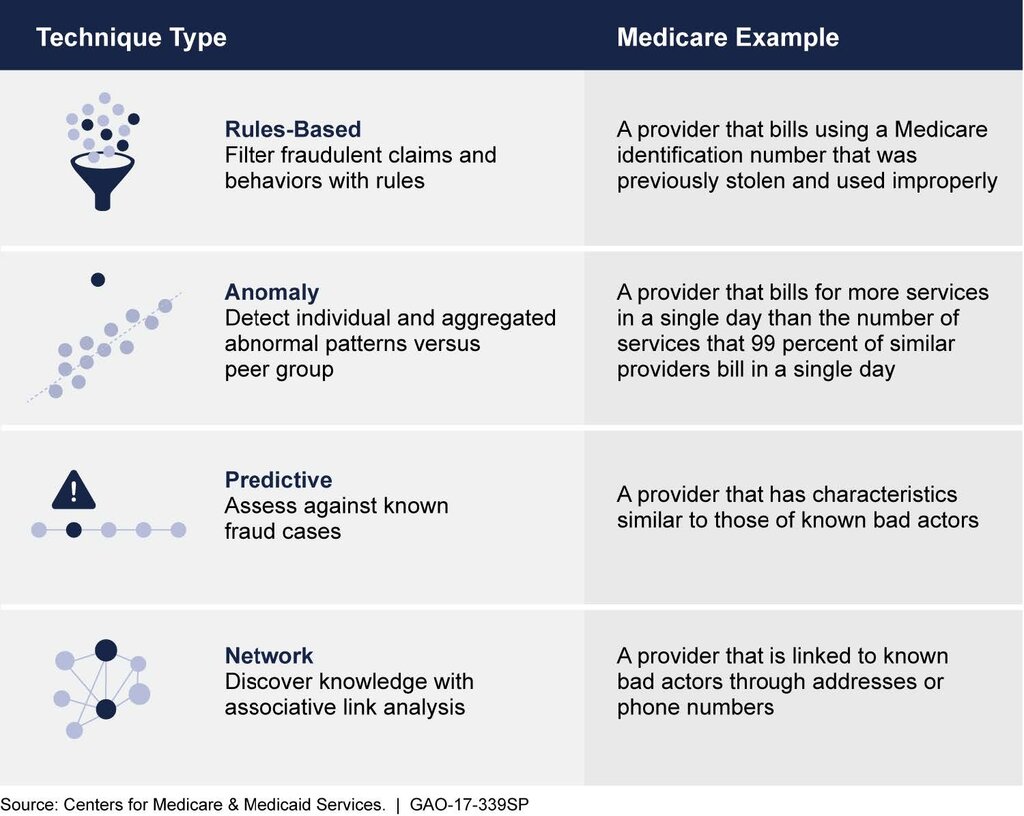
Proactive Fraud Detection Traditional audits often find fraud long after it has occurred. AI can identify patterns indicative of fraudulent behavior as it happens. For instance, it can spot an employee submitting invoices just below the amount that requires manager approval or notice unusual payment patterns to a new vendor.
Continuous Auditing Perhaps the biggest shift is the move from periodic audits to continuous auditing. With AI, key controls and transactions can be monitored 24/7. An AI system can automatically test for compliance and alert auditors the moment a deviation occurs. This transforms internal audit from a historical review into a live oversight function, helping the organization manage risk in real time.
What is the primary limitation of traditional internal audit methods, as described in the text?
How does integrating AI fundamentally change the scope of an internal audit?
This new approach empowers internal audit to be more than just a compliance function. It becomes a strategic partner that provides valuable, forward-looking insights to help the business operate more effectively and securely.