AI for Internal Audit
Introduction to AI in Internal Audit
AI and the Modern Auditor
Artificial intelligence isn't just about self-driving cars or chatbots. At its core, AI is about creating systems that can perform tasks that typically require human intelligence. This includes learning from experience, understanding language, recognizing patterns, and making decisions.
For internal auditors, this technology is a game-changer. It shifts the profession from a reactive, sample-based practice to a proactive, comprehensive one. Two key areas of AI are leading this transformation: Machine Learning and Natural Language Processing.
Machine Learning
noun
A type of AI that enables computer systems to learn from and make predictions based on data, without being explicitly programmed for every scenario.
Think of machine learning (ML) like training a new junior auditor. You wouldn't write a rule for every single possible type of non-compliant expense. Instead, you'd show them thousands of examples of both good and bad reports. Over time, they'd learn to spot the red flags on their own. ML models do the same, but they can review millions of data points in minutes.
Natural Language Processing
noun
A field of AI focused on giving computers the ability to understand, interpret, and generate human language, both spoken and written.
Natural Language Processing (NLP) handles the messy, unstructured data that makes up so much of business communication. It can read and understand emails, contracts, reports, and internal communications to find specific information, gauge sentiment, or identify compliance risks that would be impossible to find manually across an entire organization.
The New Audit Workflow
The adoption of AI in internal audit is steadily growing. Early adopters are already seeing significant returns by moving away from tedious manual tasks and focusing on higher-value strategic insights. This involves a structured approach to using data to build, evaluate, and deploy models that can assist the audit team.
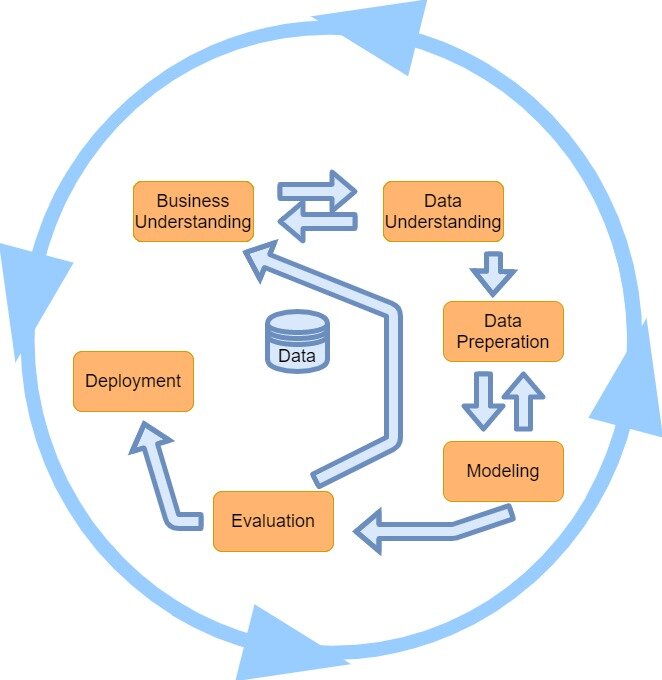
This structured process allows teams to understand business needs, prepare the right data, and build models that provide real audit value. It transforms the audit from a historical review into a continuous, forward-looking function.
Instead of testing a small sample of transactions, AI allows auditors to analyze 100% of the data, providing complete coverage and a much higher level of assurance.
Key Benefits for Internal Audit
Integrating AI isn't about replacing auditors; it's about augmenting their abilities. By handling the heavy lifting of data analysis, AI frees up auditors to focus on critical thinking, stakeholder communication, and strategic risk management. The benefits are clear and impactful.
| Benefit | How AI Helps |
|---|---|
| Enhanced Risk Assessment | Identifies subtle patterns and correlations in vast datasets that humans might miss, leading to more accurate risk identification. |
| Improved Fraud Detection | Continuously monitors all transactions to flag anomalies and suspicious activities in real time, rather than after the fact. |
| Increased Efficiency | Automates repetitive tasks like data extraction, reconciliation, and control testing, saving hundreds of hours. |
| Deeper Insights | Analyzes unstructured data (emails, contracts) to uncover hidden risks, compliance issues, and operational inefficiencies. |
Now, let's test your knowledge on these foundational concepts.
What is the primary way artificial intelligence is described as transforming the internal audit profession?
Which AI technology is most suitable for analyzing thousands of internal emails and contracts to identify potential compliance risks?
As AI technology becomes more accessible, its role in internal audit will only expand, making these concepts essential for the modern auditor.