AI for Infrastructure Automation and Security
Understanding AI Agents
What Is an AI Agent?
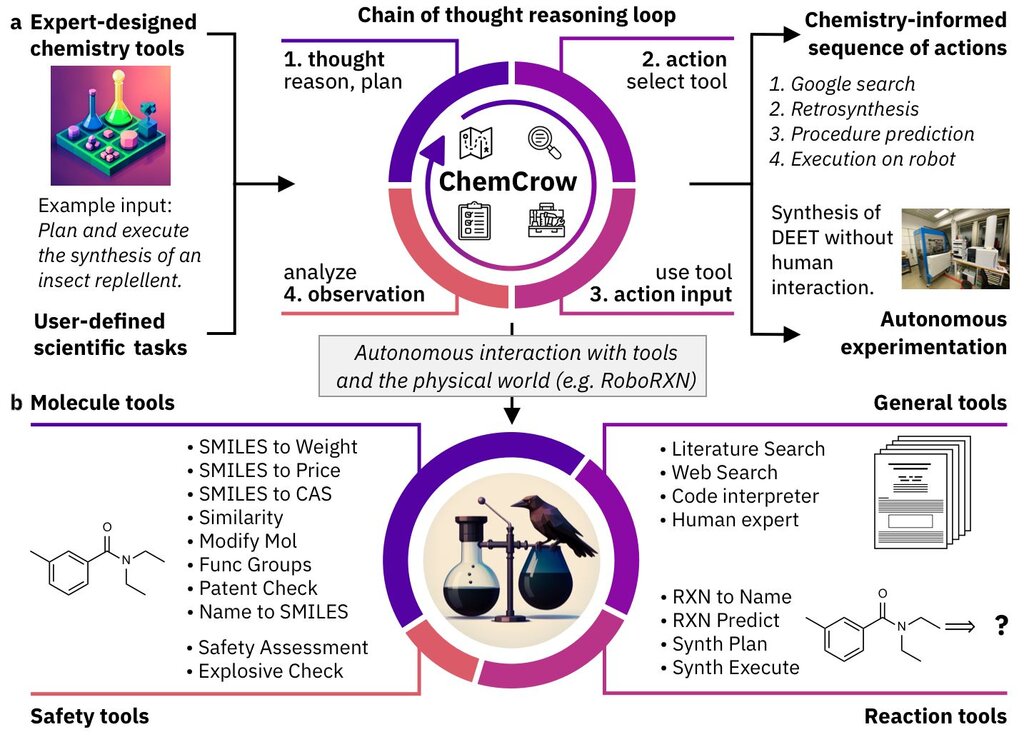
Think beyond chatbots that just answer questions. An AI agent is a program that can sense its environment, make decisions, and take actions to achieve a specific goal. It's less like a search engine and more like a proactive assistant that can independently get things done.
An AI agent is a software program designed to understand its environment, process information, and take actions to achieve specific goals.
What makes an agent special is its autonomy. It operates without direct human control, figuring out the steps needed to complete a task. For example, instead of you searching for flights, comparing prices, and booking a ticket, you could tell an AI agent: "Book me the cheapest flight to Tokyo next Tuesday." The agent would then perform all those steps on its own.
The Building Blocks of an Agent
Every AI agent, regardless of its complexity, is built on a few core components that allow it to interact with its world. The process generally flows in a cycle: the agent perceives, decides, and then acts.
Perception: This is how the agent gathers information. For a software agent, this could mean reading text from a user prompt, analyzing data from a website, or processing an image. For a robot, it would involve physical sensors like cameras and microphones.
Decision-Making: This is the agent's "brain." It uses the perceived information to decide what to do next. This reasoning engine, often a large language model (LLM), plans a sequence of actions to move closer to its goal.
Action: Once a decision is made, the agent acts. This could involve using tools, like accessing a website's API to book a hotel, sending an email, or executing a piece of code. The action changes the state of the environment, which the agent will then perceive in the next cycle.
Types of AI Agents
Not all agents are created equal. They can be categorized based on how they make decisions.
| Agent Type | How It Works | Example |
|---|---|---|
| Simple Reflex | Acts only on current information. No memory of the past. | An email spam filter that flags messages based on keywords. |
| Model-Based | Maintains an internal model of the world. It uses past information to inform current decisions. | A self-driving car that tracks the positions of other cars. |
| Goal-Based | Considers the consequences of its actions to achieve a specific goal. It plans ahead. | A GPS navigation system finding the fastest route to a destination. |
| Utility-Based | A more advanced goal-based agent that chooses the action that maximizes its "utility" or happiness. | An airline pricing agent that adjusts fares to maximize profit. |
There are also hybrid agents that combine these approaches, using different strategies for different situations. Modern agents used for complex tasks like scheduling travel or managing projects are often hybrids.
Applications and Challenges
AI agents are already being used in many fields. They automate customer service, manage complex supply chains, help developers write and debug code, and even assist scientists with research.
However, managing these agents presents unique challenges. One major hurdle is scalability. An agent that works well for a single user might fail when deployed to thousands. Ensuring agents can handle a massive workload without errors is a complex engineering problem.
Another challenge is adaptability. The digital world is constantly changing. Websites get redesigned, APIs are updated, and user needs evolve. An agent must be able to adapt to these changes without constant reprogramming. If it's too rigid, it will quickly become obsolete.
Finally, integration with existing systems can be tricky. Companies have complex webs of software, databases, and services. A new AI agent must be able to plug into this ecosystem, communicate effectively with other tools, and access the right data to do its job. This requires careful planning and robust design.
Let's test your understanding of AI agents.
What is the key characteristic that distinguishes an AI agent from a simpler program like a basic Q&A chatbot?
An AI agent tasked with booking a trip analyzes real-time flight data from several airline websites. This activity is part of which core component of the agent's operational cycle?
As AI agents become more capable, their role in automating complex, multi-step tasks will only grow, changing how we interact with technology.