AI for Image Editing
Introduction to AI Image Editing
Editing With an Invisible Assistant
For decades, editing a photo meant manually adjusting sliders, meticulously tracing selections with a digital pen, and spending hours on repetitive tasks. Today, much of that work can be done in seconds with a single click. This is thanks to artificial intelligence, which has fundamentally changed photo editing.
AI image editing is the use of smart algorithms to analyze, understand, and modify photos. Think of it less as a simple tool, like a brush, and more as an expert assistant. This assistant can recognize faces, identify skies, remove unwanted objects, and even suggest creative enhancements, all because it has been trained on millions of other images. It understands not just the pixels, but the content of your photo.
The journey began with simpler features. Early tools like red-eye reduction and basic content-aware fill were precursors to modern AI. They could perform specific, rule-based tasks but lacked true understanding of the image. The real shift came with machine learning, which allowed software to learn from vast datasets instead of just following pre-programmed instructions.
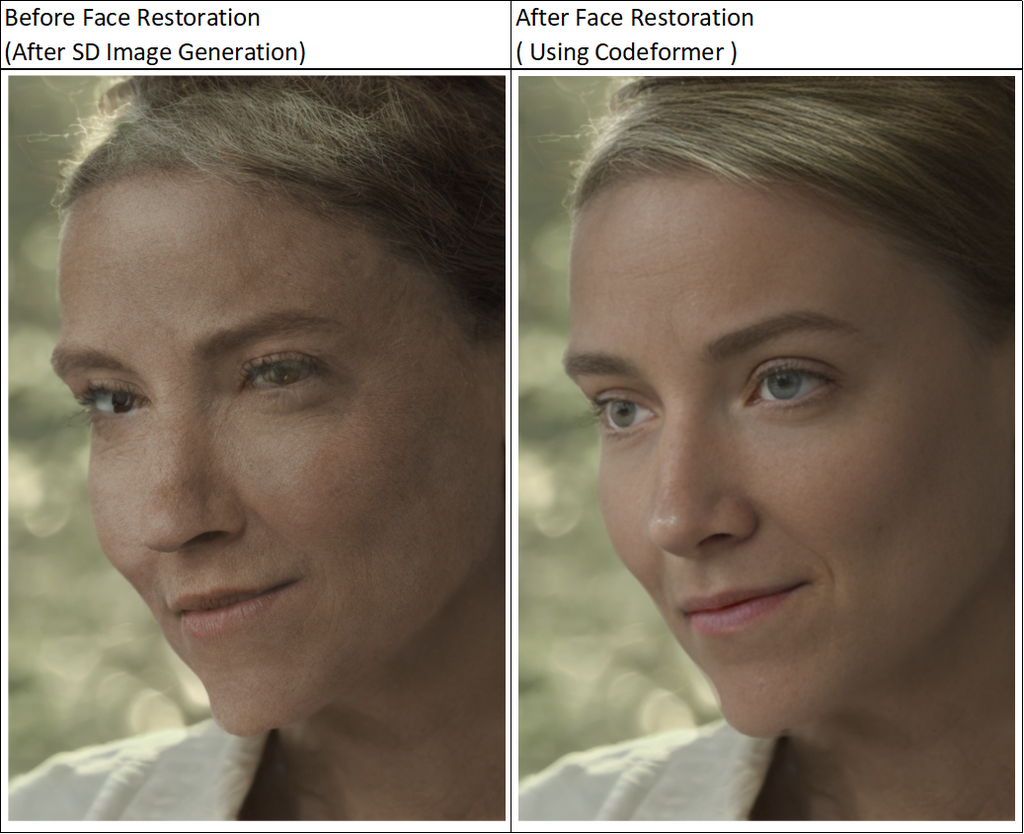
This evolution means that instead of telling the software how to select a person's hair, you just tell it to select the hair. The AI handles the complex work of distinguishing fine strands from a busy background.
How AI Understands Your Photos
At its core, AI editing relies on a process called machine learning, particularly using models known as neural networks. These are complex systems inspired by the human brain. By processing enormous libraries of photos, these networks learn to recognize patterns and identify objects.
When you open a photo in an AI-powered editor, the software doesn't just see a grid of pixels. It runs the image through these trained models to make sense of it. This process can be broken down into a few key abilities:
Object Recognition: The AI identifies distinct objects. It knows the difference between a mountain, a building, and a cloud. This is what powers one-click selection tools.
Semantic Segmentation: This goes a step further. The AI doesn't just find an object; it understands its precise boundaries. This allows for clean background removal or making targeted adjustments only to the subject.
Pattern Analysis: AI excels at recognizing patterns, which is useful for tasks like noise reduction and sharpening. It can distinguish between unwanted digital noise and fine details like fabric texture or skin pores, removing one while preserving the other.
More Speed, More Creativity
The impact of AI on photo editing is twofold: it dramatically increases efficiency and opens up new creative possibilities.
Tasks that once took significant time and skill, like masking complex subjects or removing distracting elements, are now automated. This frees up photographers and artists to focus on the creative aspects of editing, such as color grading, composition, and storytelling. Instead of spending an hour selecting a subject, you can spend that time experimenting with different looks for your image.
By handling the technical heavy lifting, AI lowers the barrier to entry for advanced editing and allows professionals to work much faster.
Creatively, AI offers tools that were once impossible. It can intelligently enhance skies, smooth skin while retaining texture, or sharpen a slightly blurry photo by reconstructing details. These tools don't just speed up old workflows; they create entirely new ones. This partnership between human creativity and artificial intelligence allows editors to achieve their vision more directly than ever before.
What is the primary technology that powers modern AI photo editing tools?
If a photo editor allows you to perfectly remove the background from behind a person with complex hair in a single click, which AI ability is most directly responsible for this?
This foundational knowledge of what AI editing is and how it works is the first step. It provides the context needed to evaluate different tools and understand their strengths and weaknesses.