AI for GRC Professionals
Introduction to Artificial Intelligence
What Is Artificial Intelligence?
Artificial intelligence, or AI, is the science of making machines that can think like humans. The goal is to create systems that can learn, reason, perceive, and solve problems on their own. Instead of being programmed for one specific task, an AI is designed to adapt and handle new situations, much like we do.
Think of it this way: you can build a machine that follows a set of instructions, like a coffee maker. But an AI is more like a barista who learns your favorite drink and suggests a new one you might like.
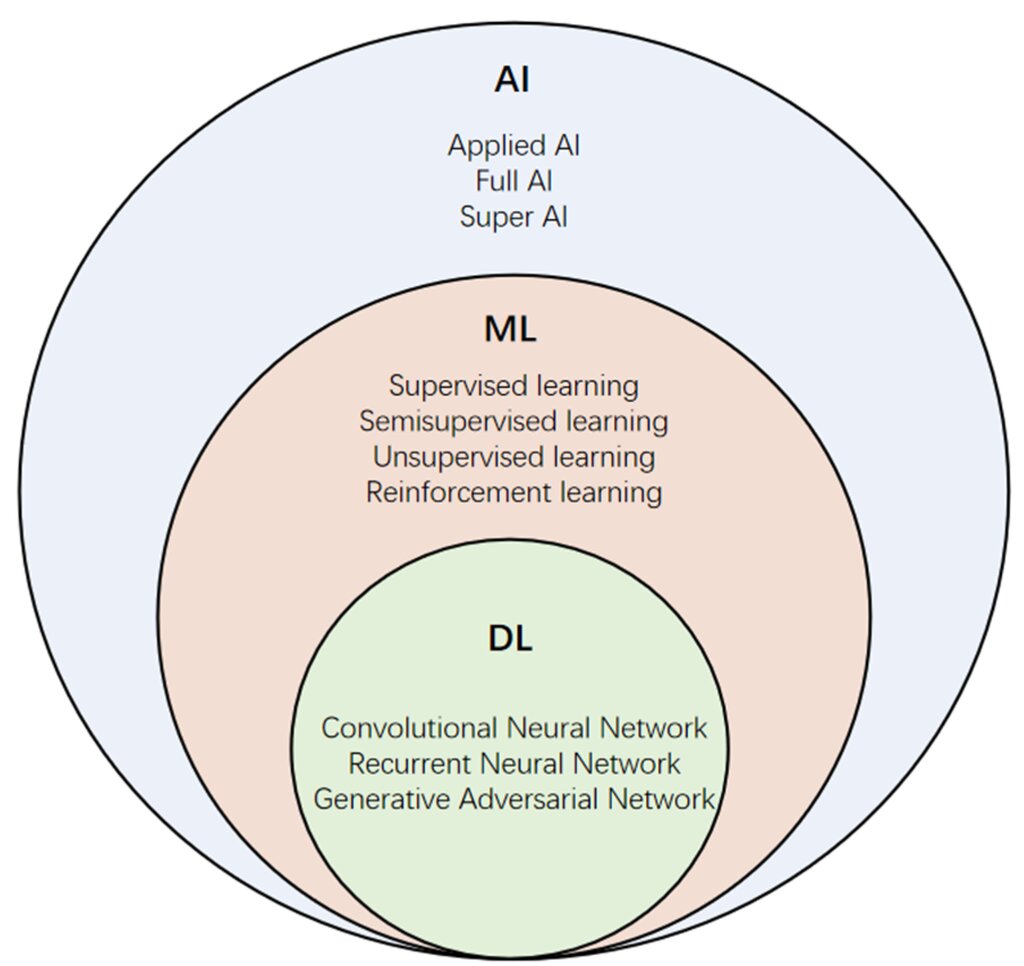
AI isn't a single technology. It's a broad field that includes several subfields. The most common ones you'll hear about are Machine Learning and Deep Learning, which are subsets of AI. Machine Learning uses data to teach computers how to make predictions, while Deep Learning is a more advanced type of machine learning inspired by the human brain's structure.
A Quick History
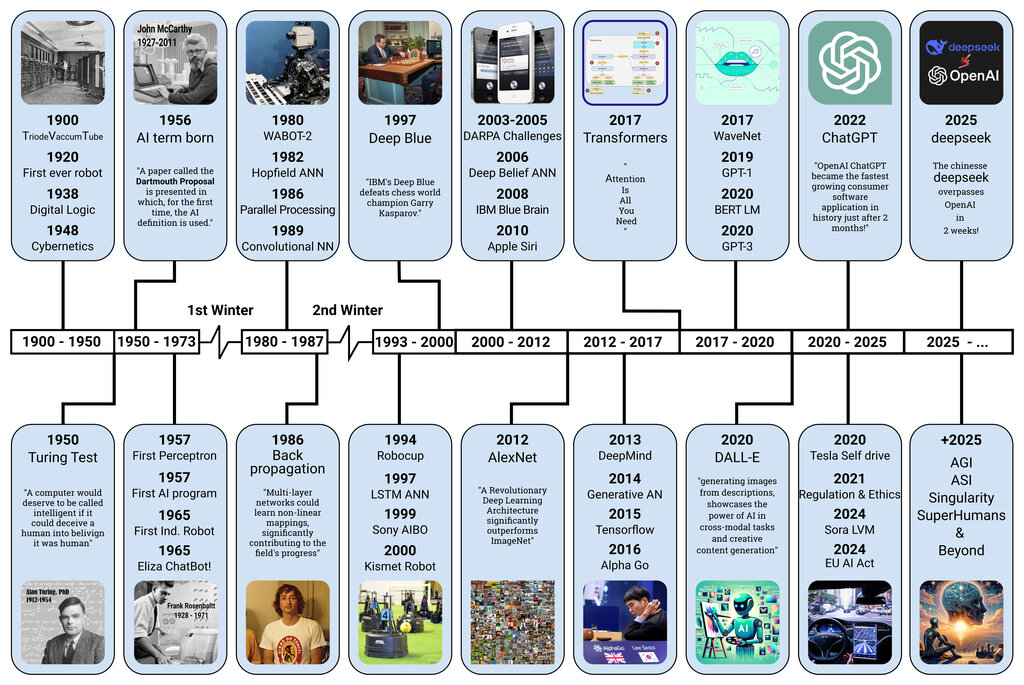
The dream of intelligent machines has been around for centuries, but the actual field of AI began in the 1950s. Early AI focused on rule-based systems, where programmers tried to write down every possible rule a machine would need to make a decision. This worked for simple games like checkers, but it couldn't handle the complexities of the real world.
Progress was slow for decades, with periods of excitement followed by funding cuts, often called "AI winters." A major breakthrough came with the rise of machine learning and, more recently, deep learning. Thanks to massive amounts of data and powerful computers, AI can now learn patterns and make decisions without being explicitly programmed for every scenario.
Key AI Techniques
Modern AI is powered by a few core techniques that allow machines to perform specific types of tasks. Understanding them helps demystify how AI works.
Machine Learning
noun
The practice of using algorithms to parse data, learn from it, and then make a determination or prediction about something in the world.
Another key technique is Natural Language Processing (NLP). This is what gives AI the ability to understand, interpret, and generate human language. When you talk to a virtual assistant or use a translation app, you're interacting with NLP.
Finally, Computer Vision allows AI to interpret and understand the visual world. Using digital images from cameras and videos, machines can identify and process objects, then react to what they "see." This is the technology behind self-driving cars navigating traffic and facial recognition systems.
| Technique | What It Does | Common Example |
|---|---|---|
| Machine Learning | Learns from data to make predictions | A streaming service recommending movies based on your watch history |
| Natural Language Processing | Understands and generates human language | A chatbot answering customer service questions |
| Computer Vision | Interprets information from images and videos | A smartphone unlocking using facial recognition |
AI in the Wild
AI is no longer just a concept in a research lab; it's integrated into our daily lives and across many industries.
In healthcare, AI helps doctors diagnose diseases earlier and more accurately by analyzing medical images like X-rays and MRIs. It can also personalize treatment plans based on a patient's genetic makeup.
In finance, AI systems work around the clock to detect fraudulent transactions, flagging suspicious activity in real-time to protect consumers. They also power algorithmic trading and help financial advisors create personalized investment strategies.
Your entertainment is also shaped by AI. Streaming services use machine learning to analyze your viewing habits and suggest what you should watch next. Music platforms create custom playlists based on the songs you listen to, introducing you to new artists you're likely to enjoy.
The automotive industry is using computer vision to develop self-driving cars that can perceive their surroundings and navigate safely. Even outside of autonomous vehicles, AI enhances safety features like automatic emergency braking and lane-keeping assist.
Ready to check your understanding?
What is the primary goal of Artificial Intelligence?
A self-driving car's ability to interpret its surroundings using video from a camera is an example of which AI technique?
From its early days of simple rules to the complex learning systems of today, AI has grown into a powerful force that is reshaping our world.