AI for Everyday Living
Introduction to AI
What Is AI?
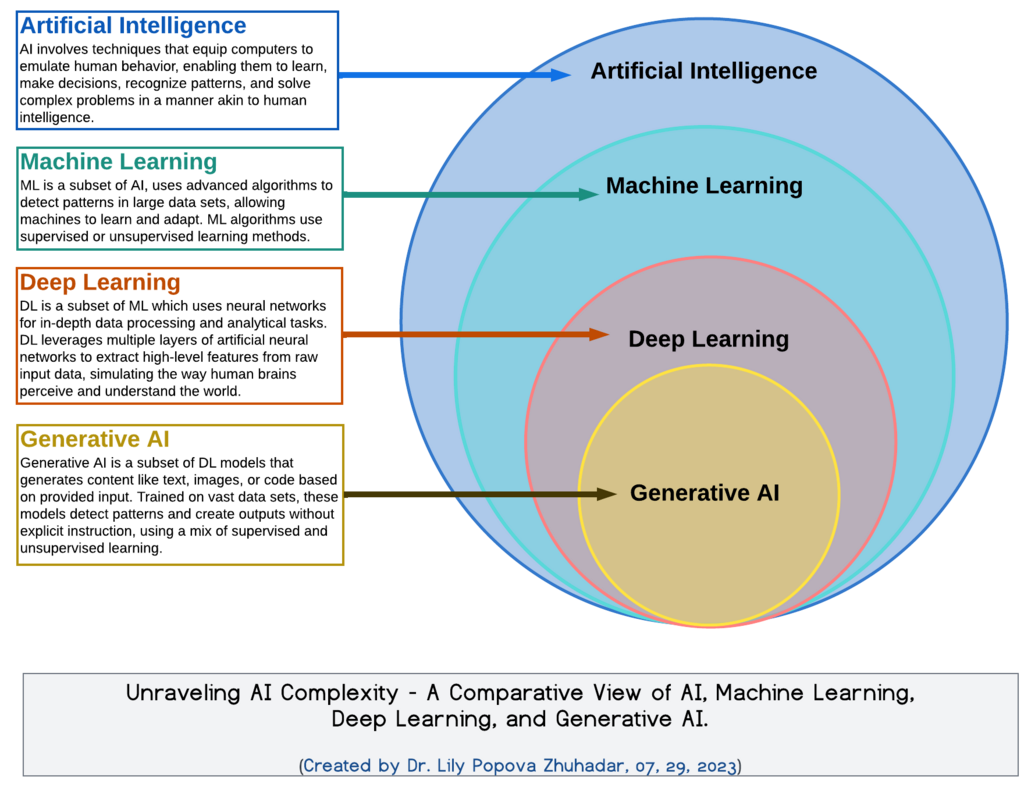
Artificial intelligence is about teaching computers to think, reason, and learn in ways that resemble human intelligence. The goal isn't just to make a machine that can follow instructions, but one that can solve new problems, understand language, and even perceive the world around it.
Think of it this way: instead of programming a computer with a massive set of rules for every possible situation, we build systems that can learn the rules for themselves by analyzing data.
This ability to learn is what separates modern AI from simple automation. It allows AI to tackle complex tasks that would be impossible to code by hand, from identifying diseases in medical scans to powering the recommendation engines we use every day.
A Quick History
The idea of intelligent machines has been around for centuries, but the formal field of AI research began in the 1950s. Early efforts focused on creating systems based on logic and rules. A computer might be programmed with the rules of chess, for example, and use them to play a game. While impressive, this approach was limited. The real world is messy and rarely follows a neat set of rules.

A major shift came with the rise of machine learning. Instead of being programmed with rules, AI systems began learning directly from data. This change unlocked the potential to solve much more complex problems and led to the AI boom we're experiencing today.
The Building Blocks of Modern AI
Modern AI is built on a few core principles. The most important is machine learning, which is the engine that drives most AI systems.
Machine Learning
noun
A type of artificial intelligence that enables a system to learn and improve from experience without being explicitly programmed. It focuses on developing algorithms that can access data and use it to learn for themselves.
Machine learning is a broad field, but it powers some very specific capabilities. Two of the most common are understanding language and vision.
Natural Language Processing
noun
A field of AI that gives computers the ability to understand, interpret, and generate human language. NLP is what allows you to talk to your phone's assistant or use a translation app.
Another key area is computer vision, which aims to give machines the ability to 'see'.
Computer Vision
noun
An area of AI that trains computers to interpret and understand the visual world. Using images, videos, and deep learning models, machines can accurately identify and classify objects.
AI's Impact on Society
As AI becomes more capable, it raises important questions. The technology has the potential to solve some of the world's biggest challenges, from climate change to disease. It's also changing how we work, communicate, and live our daily lives.
At the same time, we have to consider the ethical challenges. How do we ensure AI systems are fair and don't perpetuate human biases? Who is responsible when an AI makes a mistake? How do we protect privacy in a world where data is constantly being collected and analyzed?
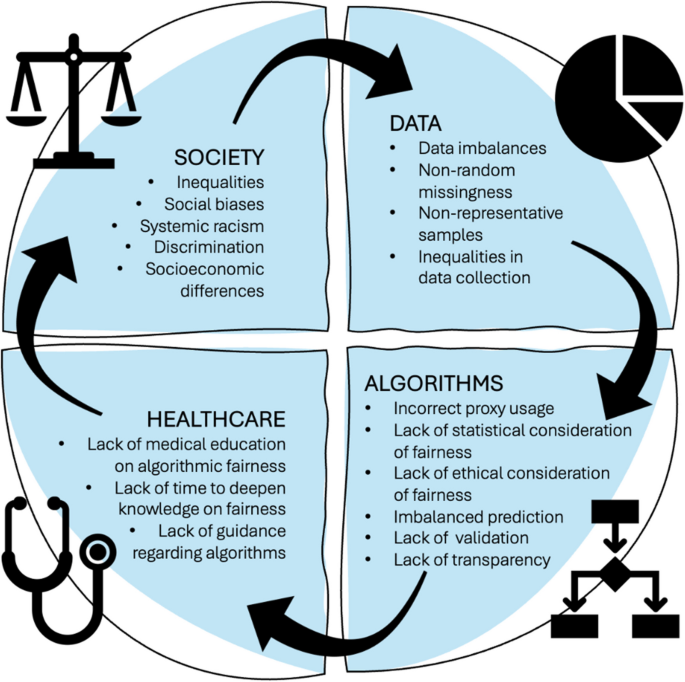
These aren't easy questions, and they don't have simple answers. As we continue to develop and integrate AI into society, having these conversations is crucial. It requires a thoughtful approach that balances innovation with responsibility.
Let's check your understanding of these foundational ideas.
What is the primary goal of Artificial Intelligence?
What caused the major shift in AI development, leading to the capabilities we see today?
Understanding these core concepts is the first step. From here, you can begin to explore the specific ways AI is being applied to reshape our world.