AI for Everyday Life Practical Guide
Understanding AI Basics
What Is Artificial Intelligence?
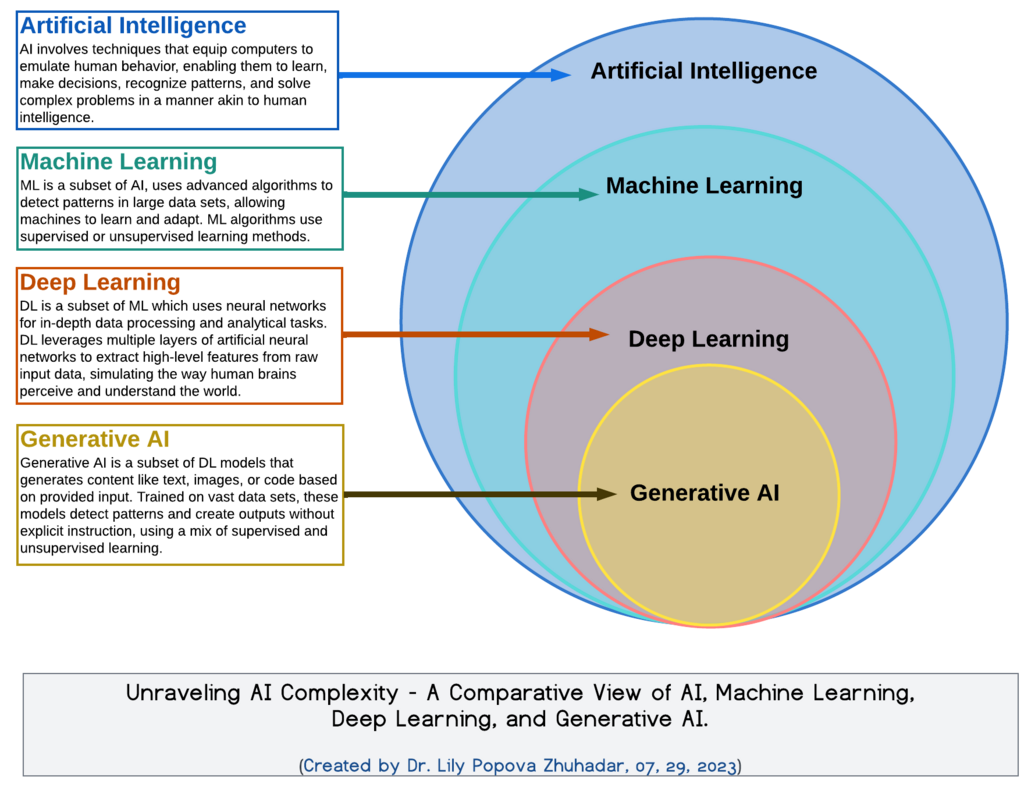
Artificial intelligence, or AI, is a broad field of computer science focused on creating machines that can perform tasks that typically require human intelligence. This includes things like learning, reasoning, problem-solving, perception, and using language.
At its core, AI is about building systems that can think and act like humans. This doesn't mean creating conscious robots like in the movies. Instead, it's about designing algorithms that allow computers to recognize patterns, make predictions, and adapt to new information. The idea has been around for decades, starting with thinkers like Alan Turing who questioned if machines could think. The field officially kicked off at a workshop at Dartmouth College in 1956.

Today, AI is not a single technology but an umbrella term for a collection of powerful tools and methods. Let's look at the key components that make it all work.
The Building Blocks of AI
Three core areas form the foundation of most modern AI systems: machine learning, natural language processing, and computer vision. While they often work together, each plays a distinct role.
Machine Learning (ML) is the engine of modern AI. Instead of being programmed with specific instructions for a task, an ML system learns directly from data. It finds patterns and builds a model to make predictions. For instance, by analyzing thousands of cat photos, a machine learning model learns to identify a cat in a new picture it has never seen before. It's the process of learning by example, on a massive scale.
Natural Language Processing (NLP) focuses on the interaction between computers and human language. It's how your phone's voice assistant understands your commands or how an app can translate text from one language to another. NLP allows machines to read, understand, interpret, and even generate human speech and text.
Computer Vision gives machines the ability to 'see'. It involves processing and analyzing images and videos to identify objects, people, and places. This is the technology behind facial recognition on your smartphone, the system that allows a self-driving car to spot a pedestrian, and the tool that helps doctors analyze medical scans.
AI's Impact on Society
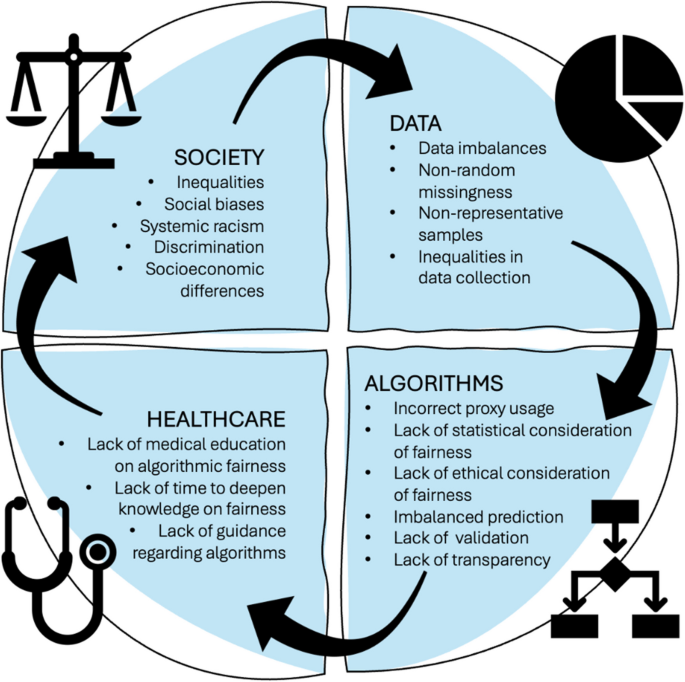
As AI becomes more powerful and integrated into our daily lives, it brings up important ethical questions and societal challenges. These aren't just technical problems; they're human ones.
Use of artificial intelligence (AI) in human contexts calls for ethical considerations for the design and development of AI-based systems.
One of the biggest concerns is bias. AI systems learn from data, and if that data reflects existing societal biases, the AI can amplify them. For example, if a hiring tool is trained on historical data where men were hired more often for certain roles, it might learn to unfairly favor male candidates. Ensuring fairness and preventing discrimination in AI algorithms is a major area of research and debate.
Privacy is another key issue. AI systems often require vast amounts of data to function effectively, which can include personal information. How is this data collected, used, and protected? Questions about surveillance and consent are central to the conversation about responsible AI development.
Finally, the impact of AI on jobs and the economy is a widespread concern. While AI can automate repetitive tasks and create new efficiencies, it also raises questions about job displacement and the need for new skills in the workforce. Navigating this transition requires careful planning from policymakers, businesses, and educators to ensure the benefits of AI are shared broadly.
Understanding these basics—what AI is, its core components, and its societal implications—provides the foundation needed to explore its applications thoughtfully and responsibly.
What is the fundamental goal of Artificial Intelligence (AI)?
An AI system trained on historical hiring data shows a preference for male candidates for engineering roles. This is an example of which major AI concern?