AI for Environmental Communication
Identifying Key Environmental Data
Finding Your Foundation
Effective environmental communication isn’t built on passion alone. It stands on a foundation of solid, credible information. Before you can craft a compelling message, you need the right raw materials: relevant data and key policy documents. Knowing what to look for, and where to find it, is the first step toward making a real impact.
What to Look For
Environmental data comes in many forms. It can be a satellite image showing deforestation over time, a sensor reading of air pollutants in a city, or a biologist's count of a bird population. These numbers and observations tell the story of our planet's health.
Think of data in broad categories:
| Data Category | Examples | What It Shows |
|---|---|---|
| Climate & Weather | Temperature records, sea-level rise, CO2 concentrations | Long-term changes and trends in Earth's climate system. |
| Pollution Levels | Air quality indexes (AQI), water contaminant reports, plastic waste data | The presence of harmful substances in the air, water, and soil. |
| Biodiversity & Ecosystems | Species population counts, deforestation rates, coral bleaching events | The health and stability of natural habitats and wildlife. |
Data provides the evidence, but policy documents provide the context. These are the rules, goals, and agreements that shape how we respond to environmental challenges. Understanding them helps you see where the levers of change are. You can find everything from broad international treaties to specific local regulations.
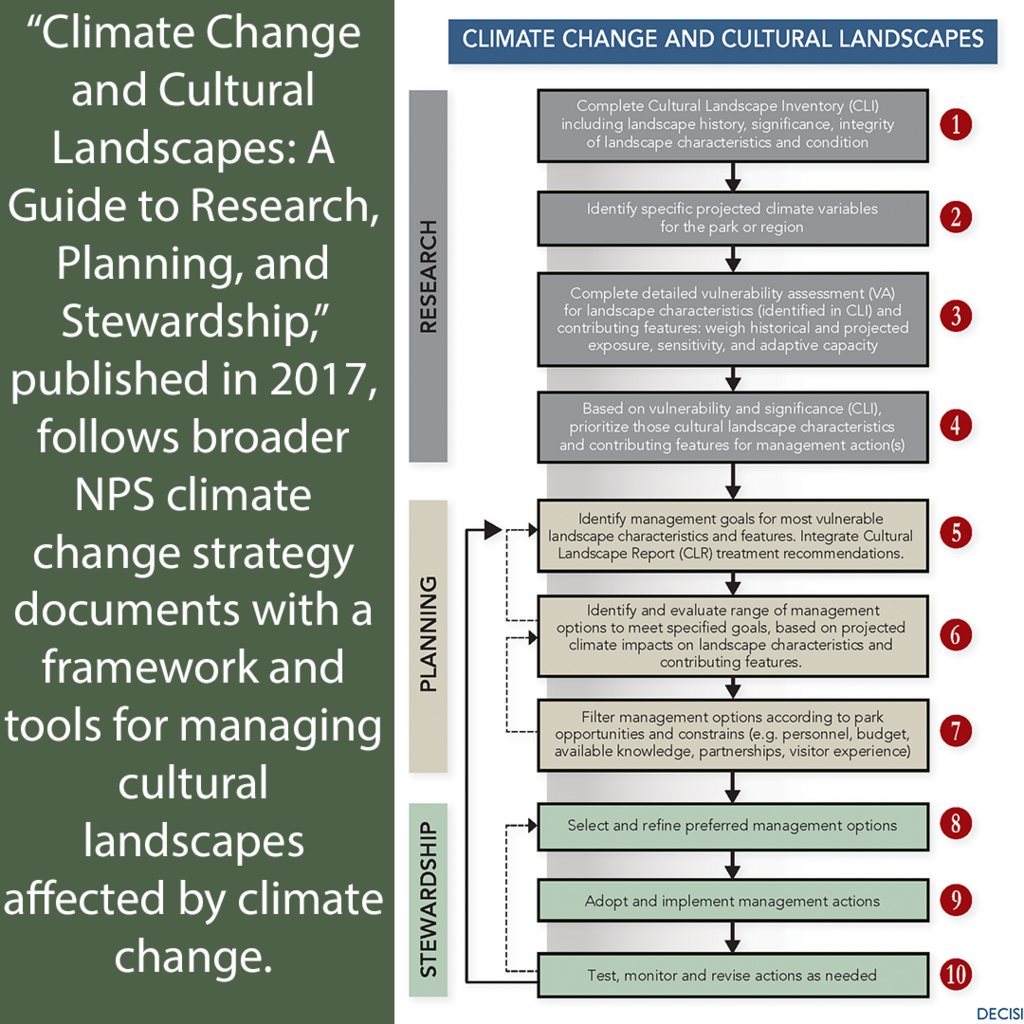
Key policies to look for include:
- International Agreements: Think big picture, like the Paris Agreement on climate change. These set global targets and foster cooperation between nations.
- National Laws: These are country-specific regulations, such as the Clean Air Act in the United States, which sets standards for air quality.
- Local Ordinances: These are rules at the city or regional level, covering things like recycling programs, zoning laws for green spaces, or restrictions on single-use plastics.
Finding Trustworthy Sources
Not all information is created equal. The credibility of your sources is paramount. When looking for data and policies, start with established, reputable organizations.
Primary sources are best. Go directly to the agency or institution that collected the data or published the report.
Good places to look include:
- Governmental Agencies: Organizations like the Environmental Protection Agency (EPA), NASA, and the National Oceanic and Atmospheric Administration (NOAA) in the U.S., or their international equivalents, publish vast amounts of raw data and analysis.
- International Bodies: Groups like the Intergovernmental Panel on Climate Change (IPCC) synthesize research from thousands of scientists worldwide to create comprehensive reports.
- Academic Institutions: Universities and research centers are constantly publishing new studies in peer-reviewed journals.
- Reputable Non-Governmental Organizations (NGOs): Organizations like the World Wildlife Fund (WWF) or The Nature Conservancy often conduct their own research or compile data from other sources for advocacy and public education.
When you find a piece of data, ask yourself a few questions to gauge its credibility and relevance to your goal:
- Who collected this? Is it a trusted scientific body, a government agency, or a biased source?
- When was it collected? Is the information up-to-date, or has the situation changed?
- How was it collected? Does the methodology seem sound? For policy, what was the process for its creation?
- Does it directly support my point? Ensure the data is relevant to the specific issue you're addressing. Cherry-picking statistics out of context can undermine your credibility.
Let's test what you've learned about finding and evaluating environmental information.
Effective environmental communication is primarily built upon which of the following?
Which of the following would be considered a source of raw environmental data?
Building your message on a strong foundation of credible data and policy understanding will make your communication more persuasive and impactful.