AI for Enterprise Software Development
Introduction to AI in Software Development
What Exactly Is AI?
At its core, artificial intelligence is a branch of computer science focused on building smart machines capable of performing tasks that typically require human intelligence. This can range from understanding language and recognizing images to solving complex problems and making decisions.
Artificial Intelligence (AI)
noun
The theory and development of computer systems able to perform tasks that normally require human intelligence, such as visual perception, speech recognition, decision-making, and translation between languages.
The idea isn't new. Thinkers have dreamed of creating artificial beings for centuries. But the modern field of AI truly began in the mid-20th century with the advent of computers. Since then, it has gone through periods of rapid advancement and occasional slowdowns, often called "AI winters."
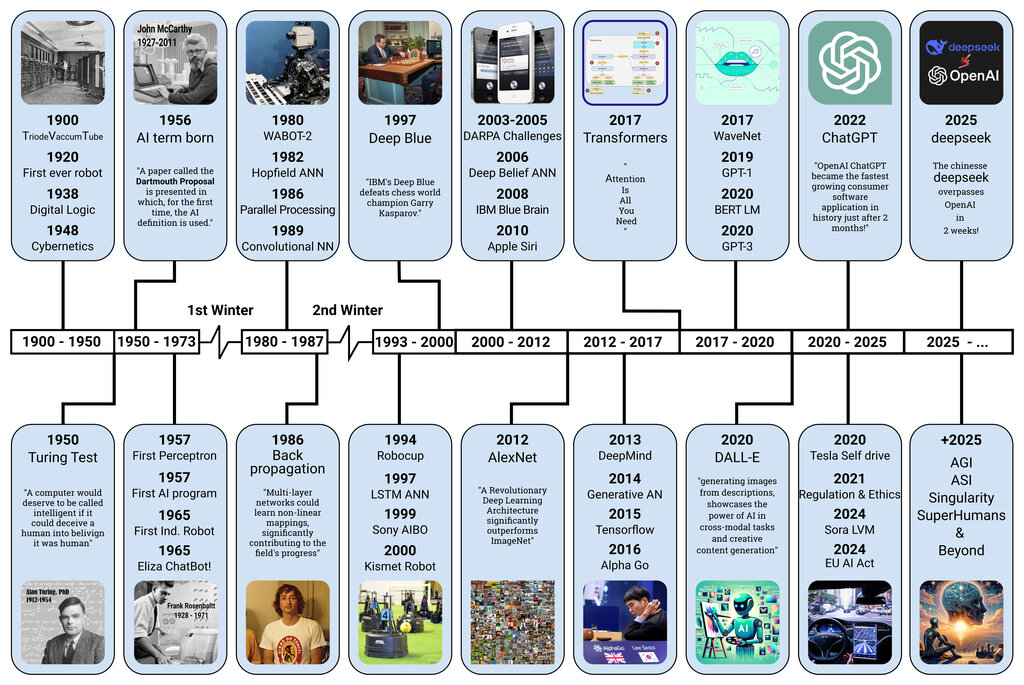
Today, we're in a period of explosive growth, largely thanks to two key subfields: Machine Learning and Deep Learning.
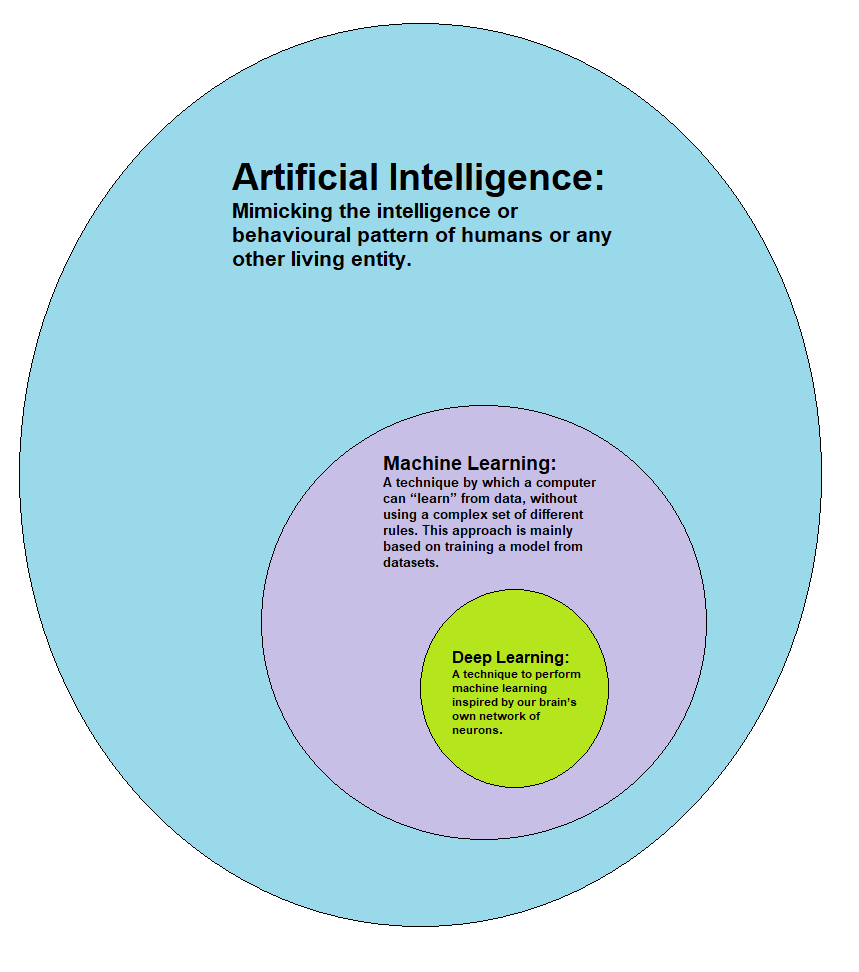
- Machine Learning (ML) is an approach to AI where systems learn directly from data. Instead of being explicitly programmed with rules, an ML model identifies patterns in vast amounts of information to make predictions.
- Deep Learning (DL) is a more advanced type of machine learning that uses structures inspired by the human brain, called neural networks. These networks have many layers, allowing them to learn very complex patterns from data, like recognizing a specific person's face in a video.
AI in Software Development
AI is fundamentally changing how we build software. It's no longer just a feature to be added but a powerful partner in the development process itself. From writing code to finding bugs, AI tools can assist developers at every stage, making the entire lifecycle more efficient and effective.
Integrating AI isn't just about making software smarter; it's about making the process of creating software smarter.
Consider these applications:
- Code Generation: AI assistants can write boilerplate code, suggest function completions, and even translate code from one programming language to another.
- Automated Testing: AI can intelligently generate test cases, predict which parts of the code are most likely to have bugs, and prioritize testing efforts, saving countless hours of manual work.
- Bug Detection and Repair: By analyzing patterns in code, AI can identify potential bugs before they ever make it into the final product. Some advanced systems can even suggest or automatically apply fixes.
- Project Management: AI tools can analyze development data to predict project timelines, identify potential bottlenecks, and optimize resource allocation.
The primary benefits are clear: faster development cycles, higher-quality code, and reduced human error. By automating repetitive and time-consuming tasks, developers can focus on more creative and complex problem-solving.
Thinking with AI from the Start
To get the most out of AI, you can't just tack it on at the end of a project. The most successful integrations come from an approach called "AI-by-Design." This means thinking about AI's role from the very beginning of the design and architecture phase.
AI-by-Design is a principle where the integration of artificial intelligence is a core part of the system's architecture, not an afterthought.
This involves asking key questions early on:
- Data: What data will our AI need? How will we collect, store, and protect it?
- Integration: How will the AI models interact with the rest of the application? What are the performance requirements?
- User Experience: How will the user interact with the AI features? How do we make its decisions transparent and understandable?
- Ethics: What are the potential biases in our data or models? How do we ensure the AI behaves responsibly and fairly?
By building with AI in mind from the ground up, teams can create more robust, scalable, and responsible applications. It avoids the costly and complex process of trying to force AI into a system that wasn't designed for it.
Now, let's test your understanding of these core concepts.
What is the primary focus of artificial intelligence as a branch of computer science?
How does Deep Learning (DL) relate to Machine Learning (ML)?
Understanding these fundamentals is the first step toward leveraging AI to build the next generation of software.