AI for Effective Management
Introduction to AI in Management
What Is AI, Really?
Artificial Intelligence isn't about robots taking over the world. At its core, AI is the science of making machines that can think and learn like humans. Think of it like teaching a computer a new skill. Instead of just following a strict set of pre-programmed instructions, an AI system learns from data, recognizes patterns, and makes decisions on its own.
Artificial Intelligence
noun
A field of computer science dedicated to creating systems that can perform tasks that typically require human intelligence, such as learning, reasoning, problem-solving, and understanding language.
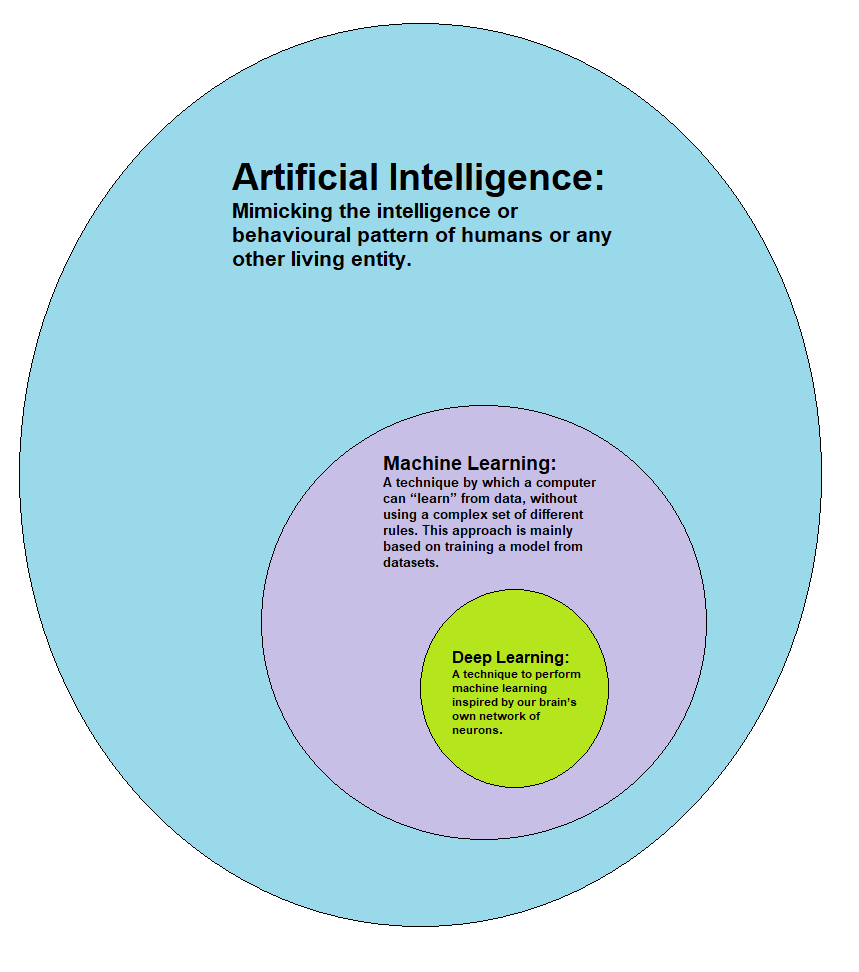
AI isn't a single thing. It’s a broad field with many subfields. You’ll often hear terms like Machine Learning and Deep Learning. For now, just know they are specific ways of achieving AI. Machine Learning (ML) is a subset of AI that uses algorithms to find patterns in data. Deep Learning (DL) is a more advanced subset of ML that uses structures modeled after the human brain, called neural networks.
Most AI today is what we call Artificial Narrow Intelligence (ANI). It's designed to perform a single task very well, like recommending a movie or translating a language. The futuristic AI you see in movies, which can think and reason about anything a human can, is called Artificial General Intelligence (AGI). We're not there yet. And beyond that is Artificial Superintelligence (ASI), a hypothetical AI that would surpass human intellect in every way.
A Quick Trip Through Time
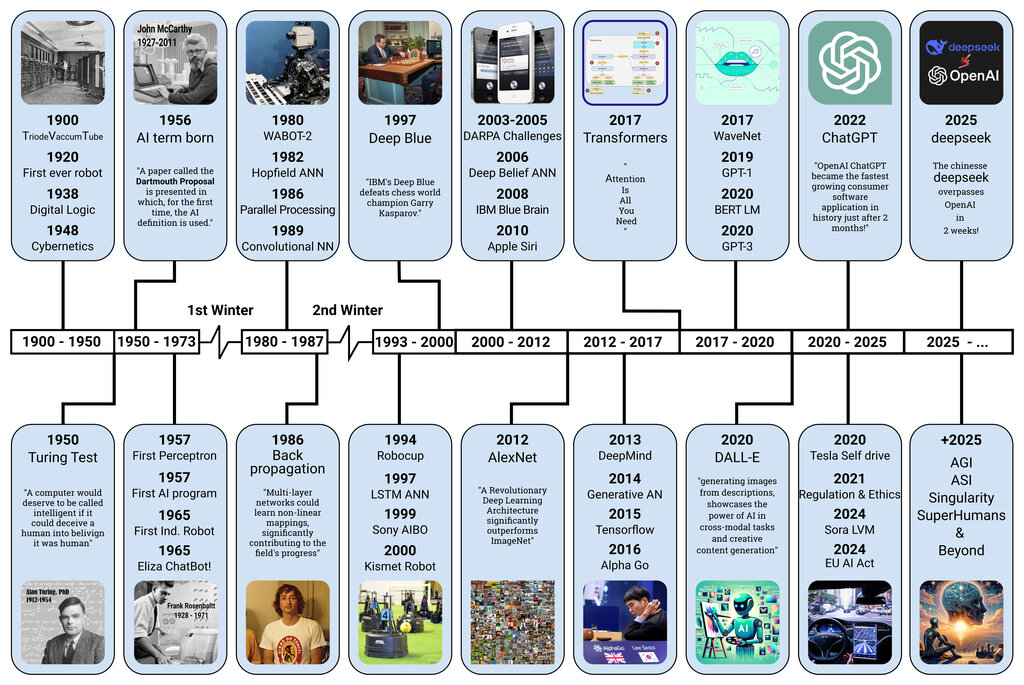
The dream of creating intelligent machines has been around for centuries, but the actual field of AI took root in the 1950s. Early efforts focused on rule-based systems, where programmers tried to write down every possible rule for a given task. This worked for simple games like checkers, but it failed at complex, real-world problems.
The big shift came with machine learning. Instead of giving the computer rules, developers gave it data and let it figure out the rules for itself. This approach, powered by massive increases in computing power and data availability, led to the AI boom we're experiencing today.
AI in a Manager's Toolkit
So, how does this technology actually help a manager? AI isn't here to replace you. It's here to augment your abilities, acting like a super-powered assistant that can handle complex data and automate tedious tasks, freeing you up to focus on what humans do best: lead, strategize, and mentor.
Think of AI as a tool to enhance your judgment, not replace it. It provides data-driven insights to help you make more informed decisions.
Here are a few ways AI is already changing management:
-
Smarter Decision-Making: AI can analyze vast amounts of data—from sales figures to market trends—to identify patterns and forecast future outcomes. This helps you make strategic decisions about resource allocation, budgeting, and project priorities with more confidence.
-
Streamlined Operations: Many routine managerial tasks can be automated. Think of scheduling meetings across multiple time zones, approving expense reports, or tracking project progress. AI can handle this administrative work, giving you back valuable time.
-
Optimized Team Performance: AI tools can help identify skills gaps within your team and suggest personalized training paths for employees. They can also analyze team communication patterns to spot potential collaboration issues before they become major problems.
The Benefits for Managers
Integrating AI into your management practices isn't just about keeping up with technology. It's about driving real results. By leveraging AI, managers can achieve significant improvements in efficiency, effectiveness, and overall team success.
| Benefit | How AI Helps |
|---|---|
| Increased Efficiency | Automates repetitive tasks, freeing up time for high-value strategic work. |
| Data-Driven Insights | Provides deep analysis of complex data to support more accurate forecasting and planning. |
| Enhanced Personalization | Allows for tailored employee development and coaching at scale. |
| Proactive Problem-Solving | Identifies potential risks and operational bottlenecks before they impact performance. |
| Improved Resource Allocation | Optimizes the use of budgets, personnel, and other resources based on predictive models. |
Ready to check your understanding of these core concepts?
What is the fundamental characteristic that distinguishes modern AI from traditional, pre-programmed computer systems?
The AI that recommends movies on streaming services or translates languages is an example of which type of artificial intelligence?
Understanding these fundamentals is the first step. By grasping what AI is, where it came from, and how it can be applied, you're positioned to explore its potential for your team and your organization.