AI for Earning
Introduction to Artificial Intelligence
What Is Artificial Intelligence?
At its core, Artificial Intelligence (AI) is about teaching computers to think, learn, and solve problems like humans. It's not about creating conscious robots from science fiction. Instead, it's about building systems that can perform tasks that normally require human intelligence, such as understanding language, recognizing images, and making decisions.
Think of AI as a way to simulate human intelligence in a machine, enabling it to learn from experience and adapt to new inputs.
The idea of intelligent machines isn't new. Philosophers have toyed with the concept for centuries. But the actual field of AI research kicked off in the 1950s. Since then, it has gone through periods of rapid progress and quiet spells known as "AI winters," when funding and interest dried up.
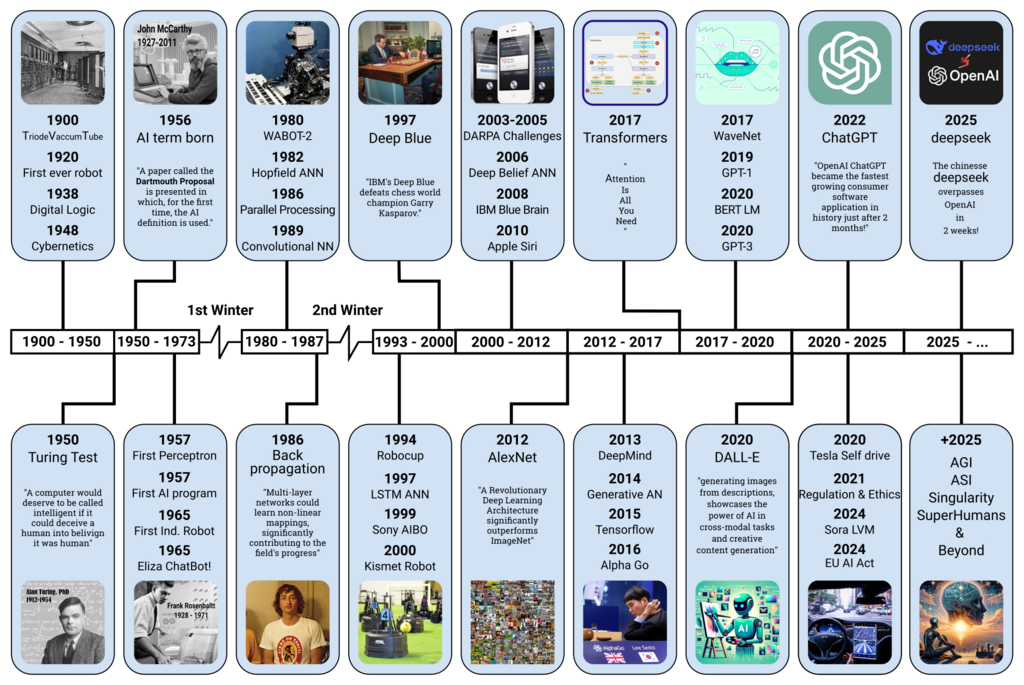
Today, thanks to massive amounts of data and powerful computers, AI is more capable and widespread than ever.
Two Main Types of AI
AI isn't a single, all-powerful entity. It's better to think of it in two main categories: Narrow AI and General AI. Understanding the difference is key to seeing where the technology is today and where it might go.
Narrow AI
noun
Also known as Weak AI, this type of artificial intelligence is designed to perform a specific, narrow task. It operates within a limited context and can't perform tasks beyond its programming.
This is the AI we interact with every single day. Your spam filter, the voice assistant on your phone, and the system that suggests what to buy next on an e-commerce site are all examples of Narrow AI. They are incredibly good at their one job, but they can't suddenly decide to learn a new language or write a novel.
General AI
noun
Also known as Strong AI, this is the theoretical form of artificial intelligence that possesses human-like intelligence. It would be able to understand, learn, and apply its knowledge to solve any problem.
General AI is the stuff of movies. It's a machine with the flexibility and general smarts of a human being. It could switch between tasks as different as composing a symphony and performing complex surgery without needing to be reprogrammed. For now, it remains a goal for researchers, not a reality.
| Feature | Narrow AI (ANI) | General AI (AGI) |
|---|---|---|
| Scope | Performs a single, specific task | Can handle any intellectual task |
| Examples | Siri, Self-driving cars, Spam filters | Fictional characters (HAL 9000) |
| Current Status | Widely used today | Purely theoretical |
AI in Your Daily Life
You might not always notice it, but AI is already woven into the fabric of your daily routine. It's the silent partner helping you navigate your day more efficiently.
Here are just a few examples:
- Entertainment: When Netflix or Spotify suggests a new show or song you might like, that's AI analyzing your viewing and listening habits.
- Navigation: Apps like Google Maps use AI to analyze traffic conditions in real-time, finding you the quickest route.
- Communication: Your email service automatically filters out junk mail using AI to identify spam-like characteristics.
- Shopping: Online retailers use AI to recommend products based on your past purchases and browsing history.
- Smart Assistants: Voice assistants like Alexa and Siri use AI to understand your commands and fetch the information you need.
Ready to test your knowledge? Let's see what you've learned.
According to the text, what is the core goal of Artificial Intelligence?
The voice assistant on your phone that can answer questions but cannot write a novel is an example of _______ AI.
These fundamental concepts are the building blocks of the AI world. By understanding what AI is and what it isn't, you're ready to explore how it can be a powerful tool in more advanced applications.