AI for Digital Marketing Success
Introduction to AI
What Is Artificial Intelligence?
Artificial Intelligence, or AI, is a broad field of computer science focused on creating machines that can perform tasks that typically require human intelligence. This includes things like learning from experience, solving problems, understanding language, and recognizing objects.
Think of it this way: AI gives a computer a mind of its own, allowing it to think and learn in a way that mimics how we do.
Instead of being explicitly programmed for every single task, an AI system learns patterns and makes decisions. It's the science of making things smart. While AI is the overarching concept, it's made up of several important subfields.
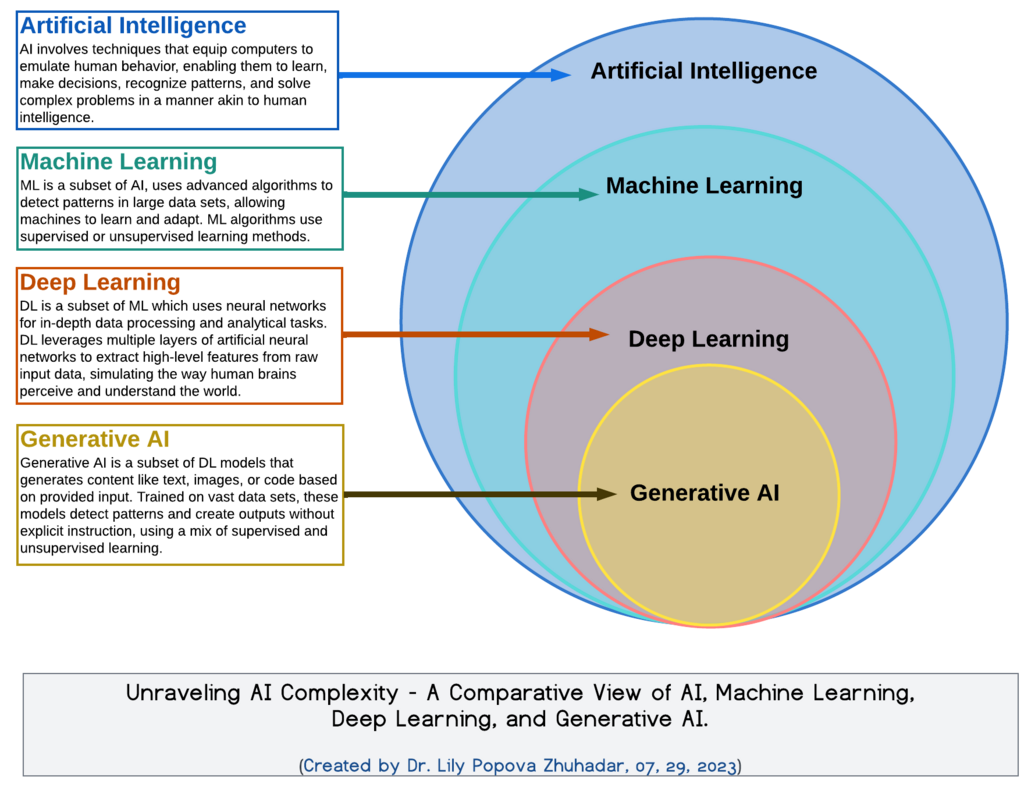
As you can see, AI is the big picture. Inside that, we have Machine Learning and other disciplines that bring the idea of intelligent machines to life. Let's break down these core components.
The Building Blocks of AI
AI isn't magic; it's built on several key technologies. The most important one is Machine Learning.
Machine Learning
noun
A type of AI that gives computers the ability to learn without being explicitly programmed. It focuses on developing algorithms that can access data and use it to learn for themselves.
Imagine teaching a child to recognize a dog. You don't list a set of rules like "if it has fur, four legs, and a tail, it's a dog." Instead, you show them lots of pictures of different dogs. Eventually, they learn to identify dogs on their own. Machine Learning works the same way: it finds patterns in large amounts of data.
Another key component is Natural Language Processing, or NLP.
Natural Language Processing
noun
A field of AI that helps computers understand, interpret, and generate human language.
NLP is what allows you to talk to your phone or smart speaker and get a coherent response. It bridges the gap between human communication and computer understanding.
Finally, there's Computer Vision.
Computer Vision
noun
An AI field that trains computers to interpret and understand the visual world. It enables machines to see, identify, and process images in the same way that human vision does.
This technology allows computers to make sense of pictures and videos. It’s how your phone can recognize faces in photos or how a self-driving car can identify a stop sign.
Types of AI
Not all AI is created equal. Today, we primarily interact with what's called Artificial Narrow Intelligence (ANI), sometimes known as Weak AI. ANI is designed and trained for one specific task. The AI that plays chess, suggests songs on a music app, or recognizes your voice is a form of ANI. It's incredibly powerful at its one job but can't do anything else.
An AI that's a grandmaster at chess can't tell you how to bake a cake. It operates within a limited, pre-defined range.
The other type is Artificial General Intelligence (AGI), or Strong AI. This is the kind of AI you often see in movies—a machine with human-like intelligence that can understand, learn, and apply its knowledge to solve any problem. It could learn to play chess, bake a cake, and write a symphony all on its own. AGI is still theoretical; we haven't created it yet. The AI systems we use today are all examples of Narrow AI.
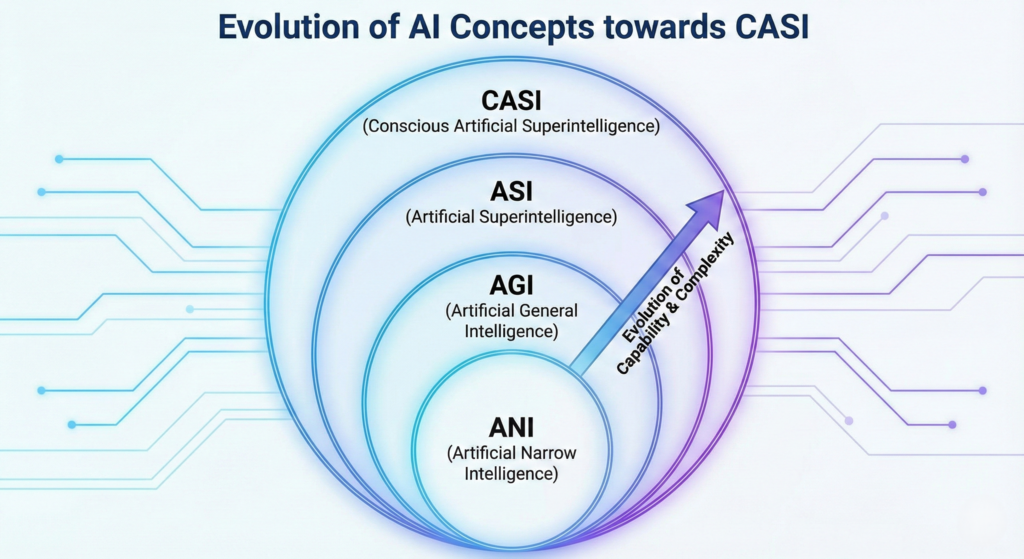
This framework helps us understand both the current capabilities and future ambitions of artificial intelligence.
A Brief History
The idea of artificial beings with intelligence has been around for centuries, but the modern field of AI officially began in the summer of 1956 at a conference at Dartmouth College. It was there that the term "artificial intelligence" was coined.
The history of AI has been a series of booms and busts, often called "AI summers" and "AI winters." Early excitement led to big promises, but progress was often slowed by limitations in computing power and data.
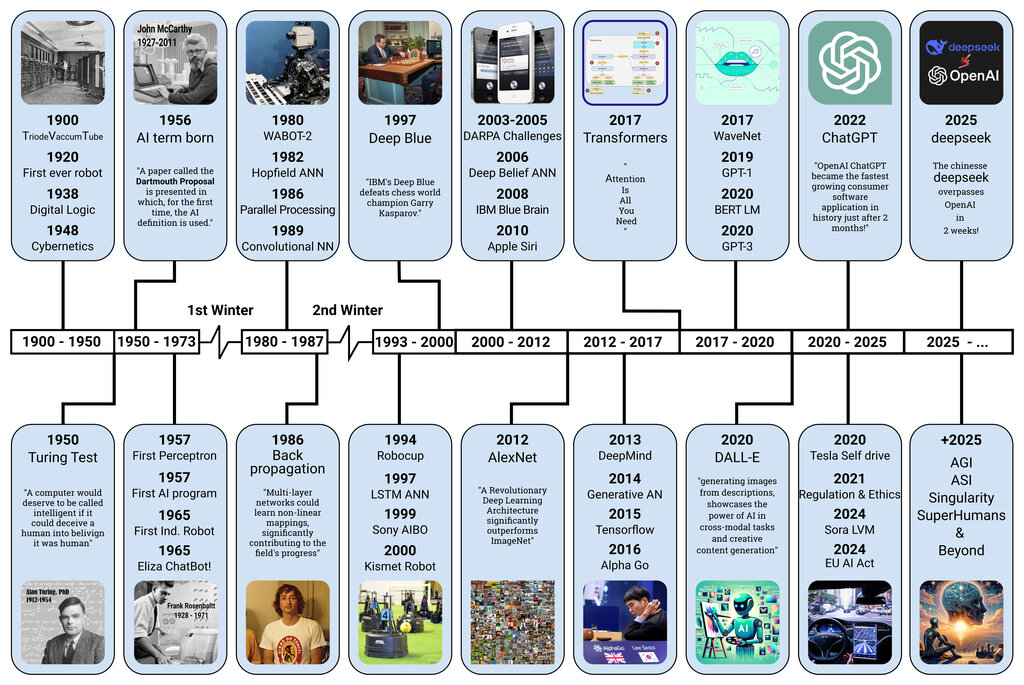
In recent years, we've entered a new AI summer. The explosion of big data and massive increases in computational power have allowed machine learning models to become incredibly sophisticated, leading to the powerful AI tools we see all around us today.
Now, let's test your understanding of these core AI concepts.
The technology that allows a computer to understand and interpret visual information from the world, like recognizing faces in photos, is called what?
The type of AI that can perform a wide variety of tasks and has human-like intelligence, as often depicted in science fiction, is known as ______.
Understanding these foundational ideas is the first step in seeing how AI is already changing our world and how it might be used in the future.