AI for Digital Marketing Mastery
Introduction to AI in Digital Marketing
Smarter Marketing, Not Harder
Artificial intelligence in marketing isn't about futuristic robots. It's about using smart technology to understand what customers want and delivering it to them more effectively. Think of it as a powerful assistant that can analyze huge amounts of data in the blink of an eye, helping you make better decisions.
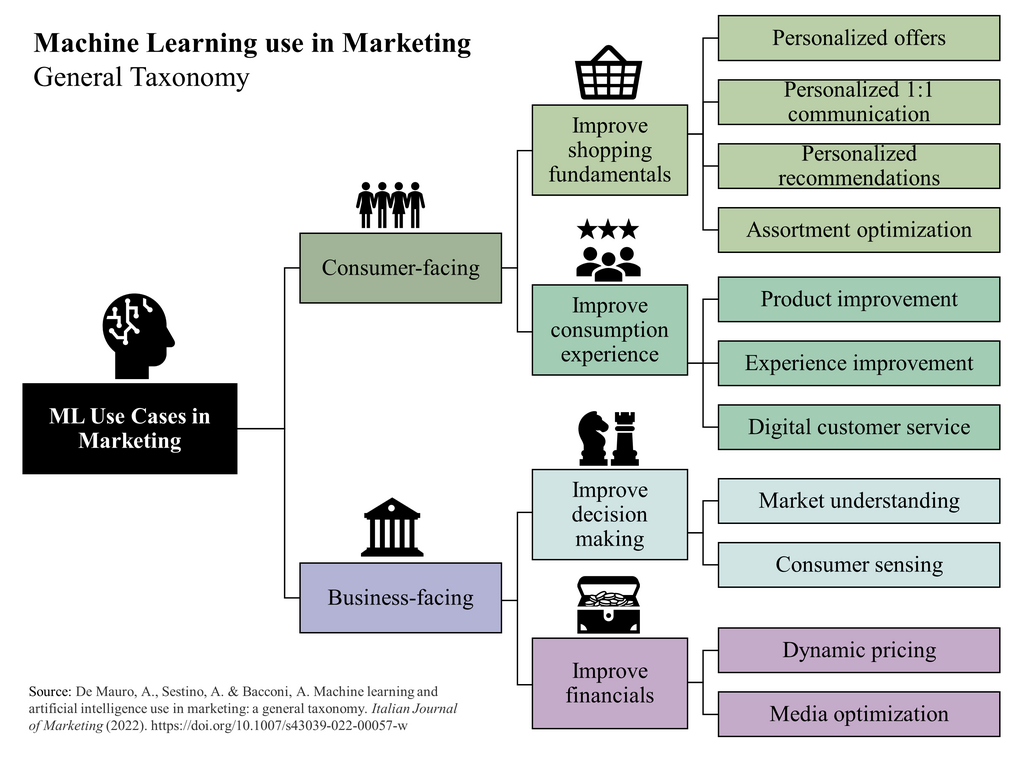
Traditionally, marketers cast a wide net, hoping to catch the right people with a single, general message. AI changes the game entirely. It allows for a shift from a one-size-fits-all approach to creating unique, one-to-one experiences for every customer. This move toward personalization is the core of AI marketing. It’s about making marketing more relevant, timely, and helpful for the consumer.
AI marketing refers to all the ways AI technology can help you carry out successful marketing efforts.
Getting Personal with Data
One of the most visible applications of AI is personalized recommendations. If you’ve ever been surprised by how well Netflix knows what movie you want to watch next, or how Amazon suggests a product you didn't even know you needed, you've seen AI in action.
These systems work by analyzing your past behavior—what you've bought, clicked on, searched for, and even how long you've looked at an item. The AI sifts through these patterns, compares them to millions of other users, and makes an educated guess about what you'll love next. This goes far beyond simple segmentation. Instead of just grouping you by age or location, AI treats you as an individual with unique tastes that can change over time.
When customers receive recommendations that feel tailor-made for them, they're more engaged. They feel seen and understood by the brand, which builds loyalty and makes them more likely to make a purchase.
Predicting Customer Needs
Beyond recommendations, AI gives marketers a kind of crystal ball through predictive analytics. By analyzing historical data, AI can forecast future trends, customer behaviors, and campaign outcomes. It’s about using what you know about the past to make smarter choices about the future.
For example, an e-commerce store could use predictive analytics to identify which customers are at risk of leaving. The AI might notice a drop-off in visits or a change in browsing patterns. The marketing team can then proactively reach out with a special offer to win that customer back before they're gone for good.
This predictive power has a direct impact on conversion rates. Instead of wasting ad budget on people who aren't interested, marketers can focus their efforts on leads the AI has identified as most likely to buy. This makes campaigns more efficient and increases the return on investment.
Use AI-driven analytics to predict customer behavior, identify trends, and personalize interactions.
Creating Content with AI
AI is also changing how marketing content gets made. Generative AI tools can draft emails, write social media posts, brainstorm headlines, and even create product descriptions. This doesn't replace the human marketer, but it does act as a powerful creative partner.
A marketer can provide the AI with a target audience, key message, and desired tone, and the tool can generate multiple versions of copy in seconds. This frees up the marketer to focus on the bigger picture: strategy, creativity, and ensuring the final product connects with customers on an emotional level.
Automated content creation makes it possible to personalize messages at a massive scale. An airline, for instance, could generate thousands of unique emails promoting a destination, with each one highlighting different attractions based on the recipient's past travel history. This level of customization would be impossible to do manually.
It's time to test your knowledge on the fundamentals of AI in digital marketing.
What is the primary strategic shift that AI facilitates in marketing?
When an e-commerce store uses AI to identify customers who are likely to stop purchasing, what is this an example of?
By leveraging AI, marketers can create more meaningful connections with their audience, leading to better engagement and stronger results.