AI for Cybersecurity Defense
Introduction to AI and ML
What Are AI and Machine Learning?
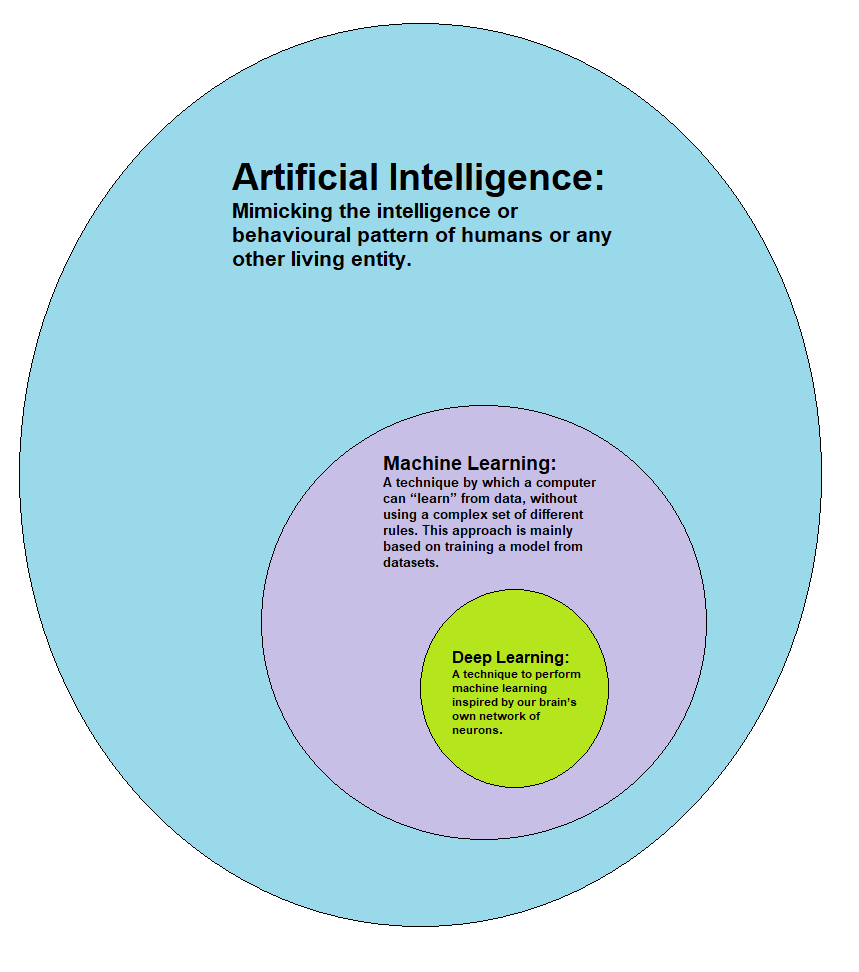
Artificial Intelligence (AI) is a broad field of computer science focused on creating machines that can perform tasks that typically require human intelligence. This includes things like reasoning, learning, problem-solving, and understanding language. Think of it as the ultimate goal of building a machine that can think and act like a person.
Machine Learning (ML) is a specific subset of AI. Instead of programming a computer with explicit rules for every possible situation, ML involves creating algorithms that allow the computer to learn from data. The machine identifies patterns and makes decisions on its own, improving its performance over time as it's exposed to more information. Essentially, AI is the big idea, and machine learning is one of the most important ways we're making it happen.
A Brief History
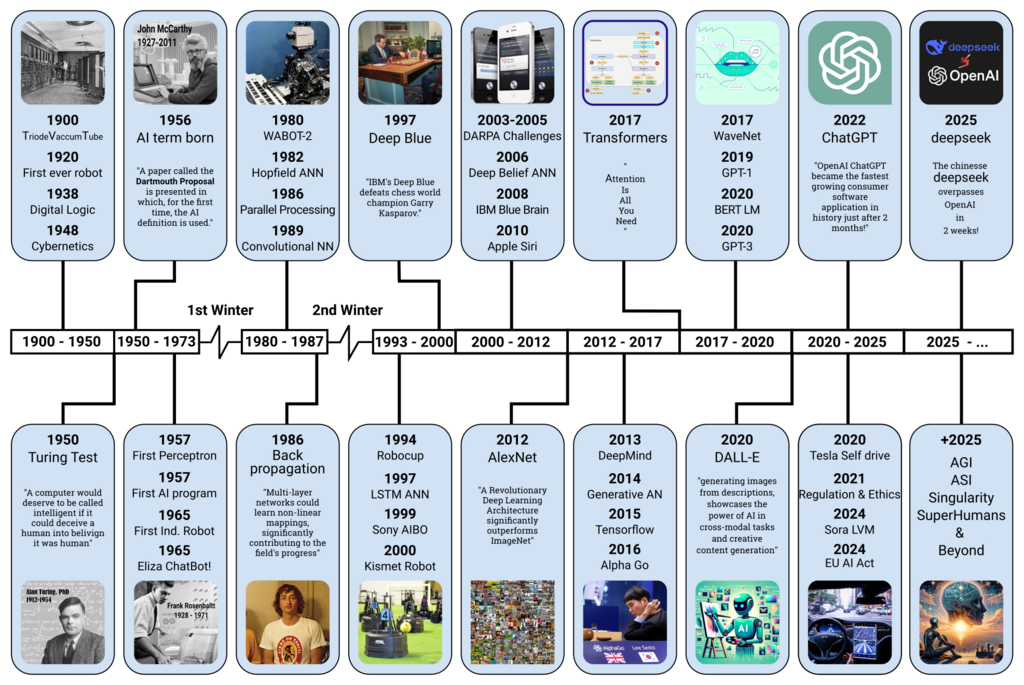
The dream of intelligent machines has been around for centuries, but the formal study of AI began in the 1950s. Early researchers were optimistic, believing that a machine with human-level intelligence was just a few decades away. Progress was slower than expected, leading to periods known as "AI winters" when funding and interest dried up.
Things changed dramatically in the last couple of decades. Two key factors fueled a resurgence: the availability of massive amounts of data (thanks to the internet) and the development of much more powerful computers. These advancements made it possible for machine learning models to be trained on vast datasets, leading to the breakthroughs we see today in everything from image recognition to natural language processing.
How Machines Learn
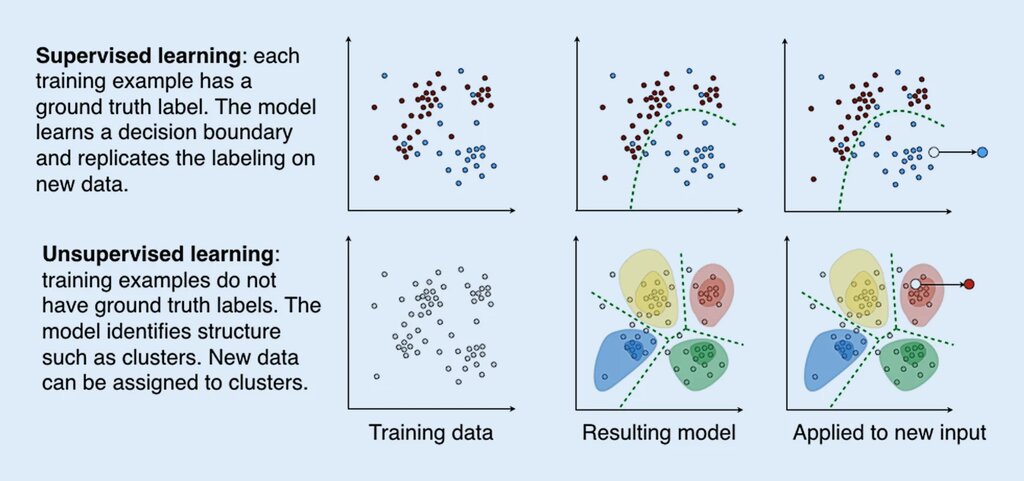
Machine learning isn't a single technique; it's a collection of different approaches. The three main types are supervised, unsupervised, and reinforcement learning.
Supervised Learning is like learning with a teacher. The algorithm is fed a large amount of labeled data, meaning each piece of data is tagged with the correct answer. For example, to train a model to identify cats, you would show it thousands of pictures, each labeled as either "cat" or "not a cat." The model learns the features associated with a cat and can then apply that knowledge to new, unlabeled pictures.
Unsupervised Learning is about finding hidden patterns on your own. In this case, the data is not labeled. The algorithm sifts through the information and identifies clusters or groups based on similarities. A retailer might use this to segment its customers into different groups based on purchasing habits, without knowing what those groups would be ahead of time.
Reinforcement Learning is based on trial and error. An algorithm, often called an "agent," learns to make decisions by performing actions and receiving feedback in the form of rewards or punishments. It's similar to how you might train a dog with treats. Over many attempts, the agent learns which sequence of actions leads to the best reward. This approach is powerful for teaching AI to play games like chess or Go, or to control robotic systems.
AI and ML in the Wild
You interact with AI and ML systems every day, whether you realize it or not. When a streaming service recommends a movie you might like, that's a machine learning algorithm at work, analyzing your viewing history and comparing it to millions of others.
Other common applications include:
- Voice Assistants: Siri, Alexa, and Google Assistant use natural language processing, a type of AI, to understand and respond to your commands.
- Spam Filters: Your email service uses ML to learn the characteristics of junk mail and automatically move it out of your inbox.
- Medical Imaging: AI models can be trained to detect signs of diseases like cancer in X-rays and MRIs, sometimes with greater accuracy than human radiologists.
- Navigation Apps: Tools like Google Maps use AI to analyze traffic data in real-time to find the fastest route.
Now that you have a grasp of the basics, let's test your knowledge.
Which statement best describes the relationship between Artificial Intelligence (AI) and Machine Learning (ML)?
What were the two primary factors that fueled the recent resurgence in AI development after periods known as 'AI winters'?
Understanding these core concepts is the first step. From this foundation, we can explore how these powerful technologies are applied in more specialized fields.