AI for Customer-Facing IT Managers
Introduction to AI in IT Management
What Is AI in IT?
Artificial Intelligence, or AI, is a field of computer science focused on creating machines that can perform tasks that typically require human intelligence. This includes things like learning from experience, understanding language, recognizing patterns, and solving problems.
In the world of Information Technology (IT), AI isn't about creating conscious robots. Instead, it's about using smart software to make IT systems more efficient, automated, and responsive. Think of it as giving your IT department a super-powered assistant that can handle routine tasks and spot issues before they become major problems.
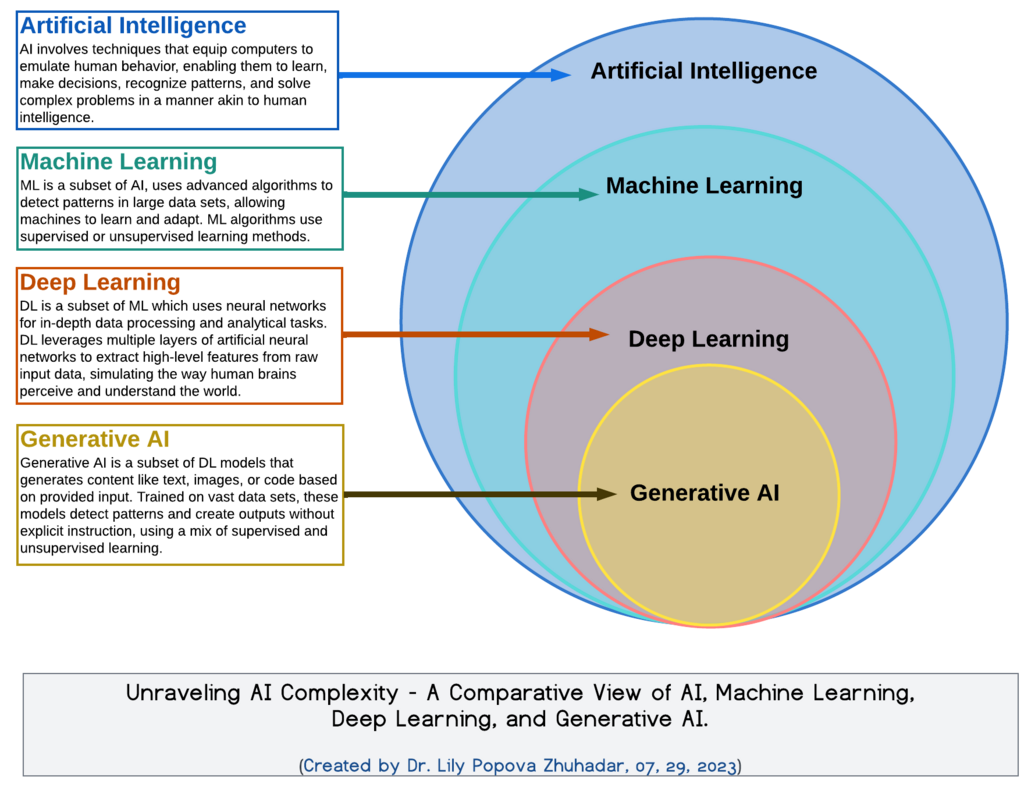
Most AI used today is what's called Artificial Narrow Intelligence (ANI). This type of AI is designed to perform a specific task very well, like filtering spam emails or answering customer questions. It's powerful but limited to its programmed function. This is different from Artificial General Intelligence (AGI), a more futuristic concept of AI that could understand and learn any intellectual task a human can. For IT management, the focus is squarely on the practical applications of ANI.
The Building Blocks: ML and NLP
Two key areas of AI are transforming IT management: Machine Learning (ML) and Natural Language Processing (NLP).
Machine Learning is a way of teaching a computer to learn from data without being explicitly programmed for every scenario. Imagine trying to write rules to identify every possible spam email. It's an impossible task. With ML, you instead feed an algorithm thousands of examples of spam and non-spam emails. The algorithm learns the patterns on its own and can then accurately predict which new, unseen emails are spam.
In IT, this same principle is used for tasks like predicting hardware failures, detecting security threats by spotting unusual network activity, or automatically sorting incoming support tickets.
Think of ML as pattern recognition on a massive scale. It finds the needle in the haystack of data.
Natural Language Processing gives computers the ability to understand, interpret, and respond to human language. If you've ever used a chatbot, a voice assistant like Siri or Alexa, or a language translation app, you've interacted with NLP.
For IT service desks, NLP is a game changer. It powers chatbots that can answer common employee questions 24/7, freeing up human agents for more complex issues. It can also analyze the sentiment of support tickets to prioritize frustrated users or identify widespread problems based on what people are writing.
AI in IT Through the Years
AI isn't entirely new to IT. Its roots can be traced back to the 1980s with the rise of "expert systems." These were early AI programs designed to mimic the decision-making ability of a human expert in a narrow field. They were rule-based and complex, often used for tasks like diagnosing network issues. However, they were brittle; if a new problem arose that wasn't in their rulebook, they failed.
The real shift came with the explosion of data and computing power in the 2000s. This paved the way for modern machine learning to flourish. Suddenly, systems could learn from vast amounts of operational data instead of relying on manually programmed rules. This made AI more flexible, powerful, and scalable.
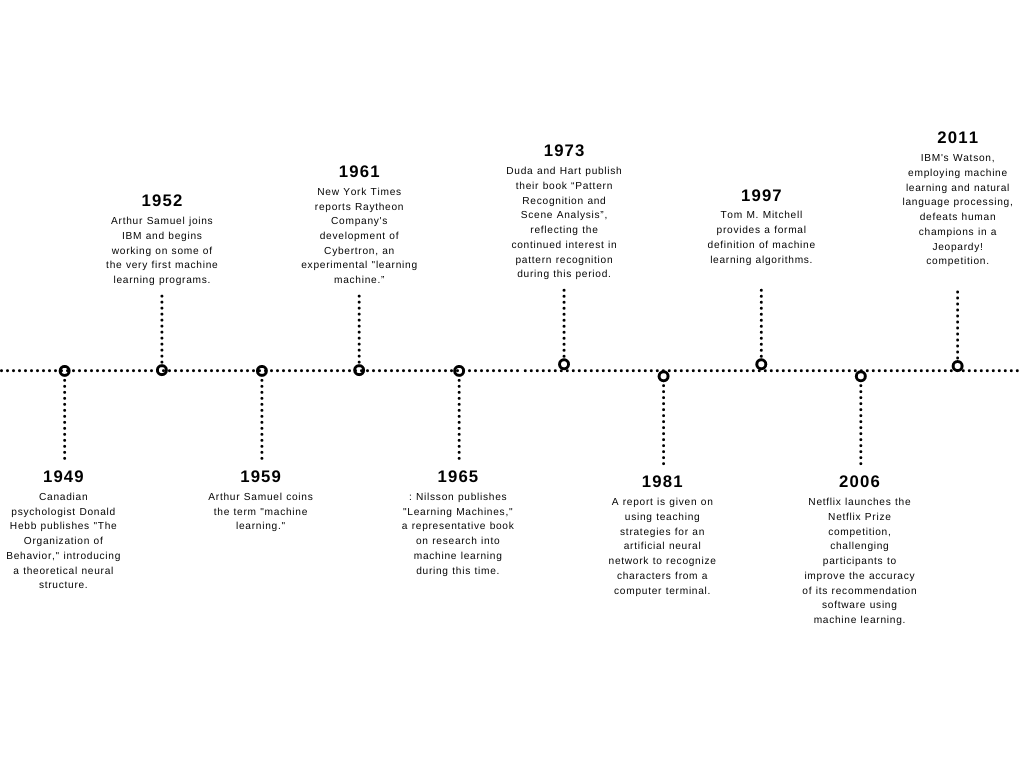
Today, AI is moving from a niche tool to a core component of IT management. The rise of cloud computing has made powerful AI tools accessible to businesses of all sizes, not just tech giants. We're seeing a trend toward "AIOps" (AI for IT Operations), where AI is used to automate everything from monitoring system performance to responding to security incidents. The goal is to create self-healing systems that can predict and resolve issues without human intervention.
AI infrastructure deployment requires collaboration between IT, data science, and business strategy teams. Organizations should encourage knowledge sharing, interdepartmental training, and AI adoption workshops to align goals.
This is especially true in customer-facing roles. Intelligent chatbots and virtual assistants are becoming the first point of contact for IT support, providing instant help for common issues like password resets or software installation requests. This allows IT staff to focus on strategic projects rather than getting bogged down by repetitive queries.
Here is a quick overview of how the use of AI in IT has evolved.
| Era | Key Technology | Primary Use Case in IT |
|---|---|---|
| 1980s-1990s | Expert Systems | Rule-based diagnostics (e.g., network troubleshooting) |
| 2000s-2010s | Machine Learning | Predictive analytics (e.g., forecasting hardware failure) |
| 2020s-Present | AIOps & Generative AI | Full automation (e.g., self-healing systems, intelligent chatbots) |
Time to test your knowledge of these core concepts.
What is the primary goal of using Artificial Intelligence (AI) in the context of Information Technology (IT)?
An IT system that analyzes thousands of support tickets to understand user sentiment and prioritize frustrated customers is primarily using which AI technology?
By automating routine tasks and providing intelligent insights, AI is helping IT departments become more proactive and strategic, ultimately delivering a better experience for everyone.