AI for Credit Analysis
Introduction to AI in Finance
What Is AI Anyway?
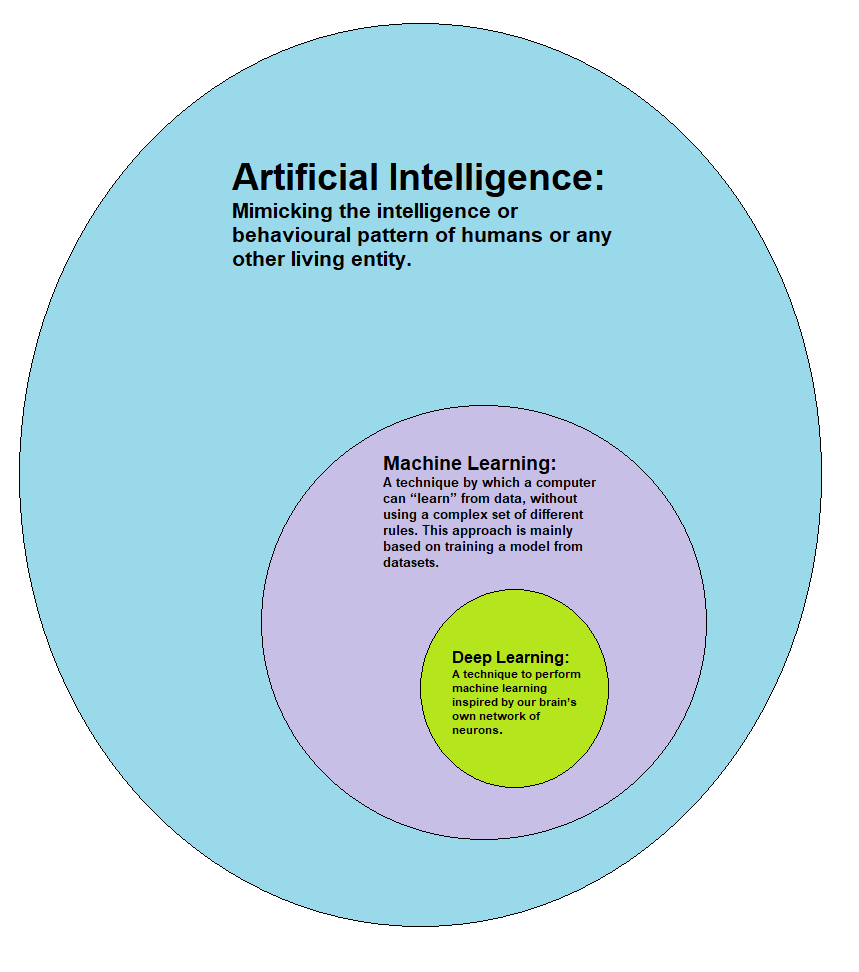
Artificial Intelligence, or AI, is about creating systems that can perform tasks that typically require human intelligence. This isn't about sci-fi robots taking over; it's about software that can recognize patterns, understand language, and make decisions based on data.
Think of it as a vast field of computer science. Within this field, a few key methodologies power most of the applications you see today. Two of the most important are Machine Learning and Natural Language Processing.
Machine Learning
noun
A subset of AI where systems learn from data to identify patterns and make decisions with minimal human intervention.
Natural Language Processing (NLP) is another crucial piece of the puzzle. It gives computers the ability to understand, interpret, and respond to human language, both written and spoken. If you've ever used a chatbot to ask about your account balance, you've interacted with NLP.
AI Finds a Home in Finance
The financial industry runs on data. Every transaction, market fluctuation, and customer interaction creates a data point. This makes it a perfect environment for AI, which excels at finding meaningful patterns in massive datasets.
Artificial Intelligence, or AI, is bringing about a significant shift in credit analysis mostly because of its ability to process and analyze a vast amount of data at speed that is beyond human capability.
AI's role in finance has grown from simple automation to sophisticated analysis. Early on, it was used for basic tasks. Now, it's at the core of many operations:
- Algorithmic Trading: AI systems analyze market data to execute trades at speeds no human could match.
- Fraud Detection: Machine learning models flag unusual transactions in real time, protecting both customers and institutions.
- Customer Service: AI-powered chatbots provide 24/7 support, answering common questions and freeing up human agents for more complex issues.
- Credit Analysis: AI helps assess creditworthiness by analyzing a wider range of data than traditional models, leading to faster and often fairer decisions.
Benefits and Hurdles
Integrating AI brings clear advantages. Financial institutions can operate more efficiently by automating repetitive tasks, reducing the chance of human error. This leads to lower costs and faster service. For customers, it can mean personalized financial advice and quicker loan approvals.
AI can analyze a loan application in seconds, a process that used to take days. This speed helps both the lender and the borrower.
But adopting AI isn't without its challenges. One of the biggest concerns is data privacy. AI systems require huge amounts of data to learn, raising questions about how that information is stored and used securely.
Another significant issue is algorithmic bias. If an AI model is trained on historical data that reflects past biases, the model can learn and even amplify those prejudices. For example, if past lending data was biased against certain demographics, an AI model trained on it could unfairly deny them credit. This makes ethical oversight and responsible development crucial.
Use of artificial intelligence (AI) in human contexts calls for ethical considerations for the design and development of AI-based systems.
Finally, the financial industry is heavily regulated. Institutions must ensure their AI models are transparent and explainable, so that regulators and customers alike can understand why a particular decision was made. This is often called the "black box" problem, where even the creators of an AI don't fully know how it reaches its conclusions.
Ready to check your understanding of these core concepts?
What is the primary goal of Artificial Intelligence (AI)?
Which of the following is a key application of AI in the financial industry for identifying and stopping illegal activities in real-time?
AI is fundamentally changing how financial services work, offering powerful tools for analysis and automation. But realizing its full potential means navigating the challenges of bias, privacy, and regulation with care.