AI for Career Relevance
AI Fundamentals
What Is Artificial Intelligence?
At its core, Artificial Intelligence (AI) is the science of making computers smart. It’s about teaching machines to perform tasks that typically require human intelligence, like learning from experience, solving problems, understanding language, and recognizing objects.
Think of it this way: instead of programming a computer with a rigid set of instructions for every possible scenario, AI allows the computer to figure things out for itself.
This isn't a single technology but a broad field of computer science. When your phone unlocks using your face, or a navigation app finds the fastest route through traffic, AI is at work. It's the engine behind systems that can reason, learn, and adapt.
A Quick Trip Through Time
The dream of intelligent machines isn't new. The term "Artificial Intelligence" was first coined at a workshop at Dartmouth College in 1956. Early researchers were optimistic, believing they could create human-level intelligence within a few decades. However, the complexity of the task and the limits of computing power led to periods of reduced funding and interest, often called "AI winters."
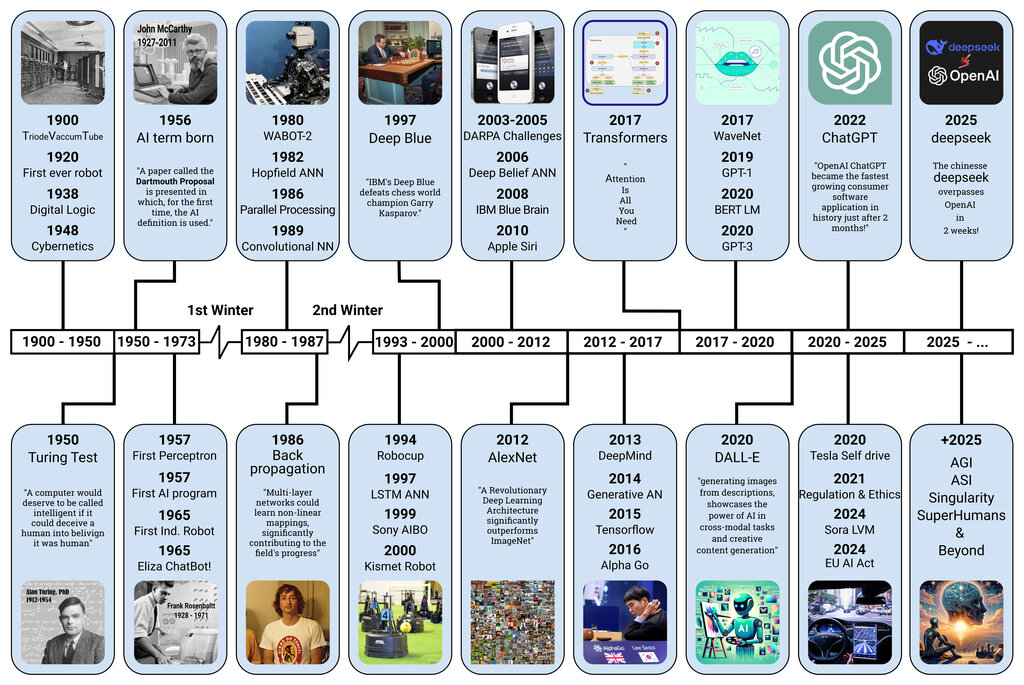
In recent years, AI has experienced a massive resurgence. This boom is fueled by two key factors: the availability of vast amounts of data (big data) and the development of powerful, fast computers that can process it all. This combination unlocked the potential of more sophisticated AI techniques, moving them from theory to reality.
The Building Blocks of Modern AI
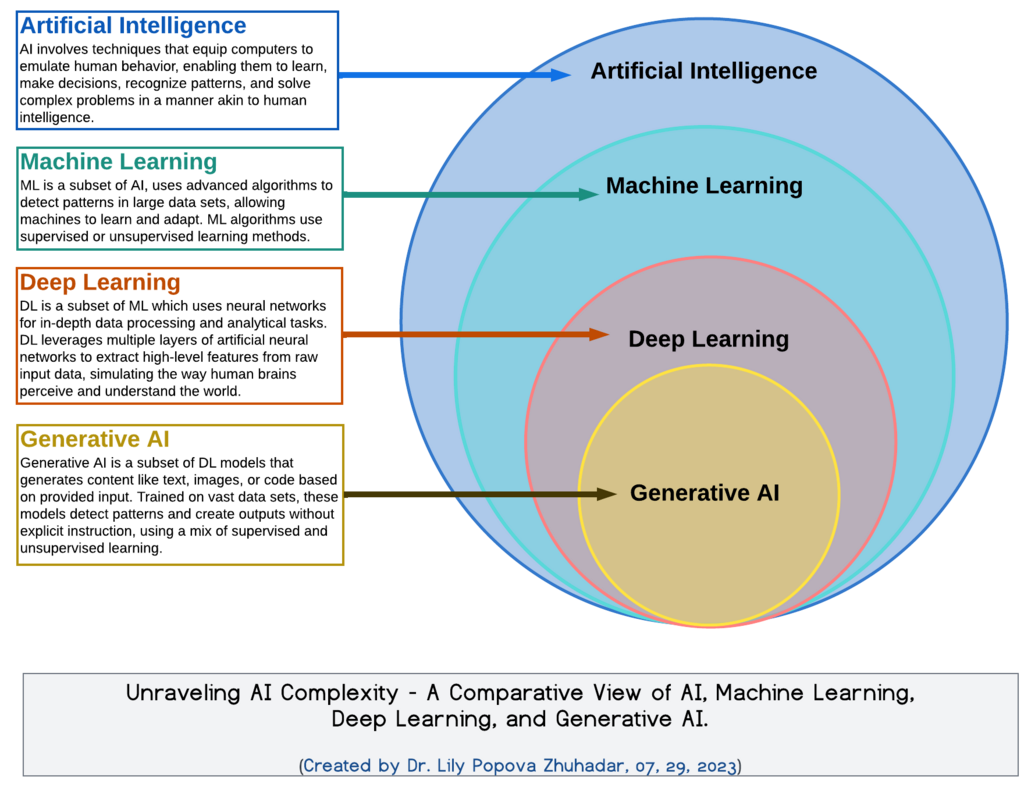
AI is an umbrella term that covers several specific methods and subfields. Understanding these core components is key to seeing how AI really works. The most important ones are Machine Learning, Deep Learning, and Natural Language Processing.
Machine Learning
noun
A subset of AI that gives computers the ability to learn from data without being explicitly programmed. It focuses on building algorithms that can receive input data and use statistical analysis to predict an output.
Instead of writing code that says, "If an email contains these specific words, it's spam," a machine learning model is shown thousands of examples of spam and non-spam emails. It learns the patterns on its own and then applies that knowledge to new, unseen emails. This ability to learn from data is what makes systems like recommendation engines and fraud detection possible.
Deep Learning
noun
A specialized subfield of machine learning that uses multi-layered artificial neural networks to deliver state-of-the-art accuracy in tasks like object detection, speech recognition, and language translation.
Deep learning takes machine learning a step further. It's inspired by the structure of the human brain, using interconnected layers of "neurons" to process information. Each layer builds on the output of the previous one to recognize more complex patterns.
For example, when identifying a cat in a photo, the first layer might detect simple edges. The next might combine those edges to find shapes like ears or eyes. Subsequent layers assemble those shapes into a complete cat. This layered approach allows deep learning models to tackle highly complex problems with incredible accuracy.
Natural Language Processing
noun
A field of AI that focuses on enabling computers to understand, interpret, and generate human language in a way that is both meaningful and useful.
Human language is filled with nuance, sarcasm, and context that computers find difficult to parse. NLP is the bridge that closes this gap. It breaks down language into its component parts, analyzes the relationships between words, and determines the intent behind the text or speech.
NLP powers everything from language translation apps and chatbot customer service to sentiment analysis, where a computer can determine if a product review is positive or negative. It's the technology that allows us to communicate with machines in our own words.
What is the primary goal of Artificial Intelligence?
Which two factors were most responsible for the recent resurgence and rapid advancement of AI?
These fundamental concepts form the basis of the AI systems we interact with every day. By understanding the distinction between the broad goal of AI and the specific methods that power it, you have a solid foundation for exploring this transformative technology.