AI for Business Success
Introduction to AI in Business
What Is Artificial Intelligence?
Artificial intelligence, or AI, refers to computer systems that can perform tasks that typically require human intelligence. This includes things like learning from experience, understanding language, recognizing patterns, and making decisions. Think of it less as a single technology and more as a broad field of computer science dedicated to creating smart machines.
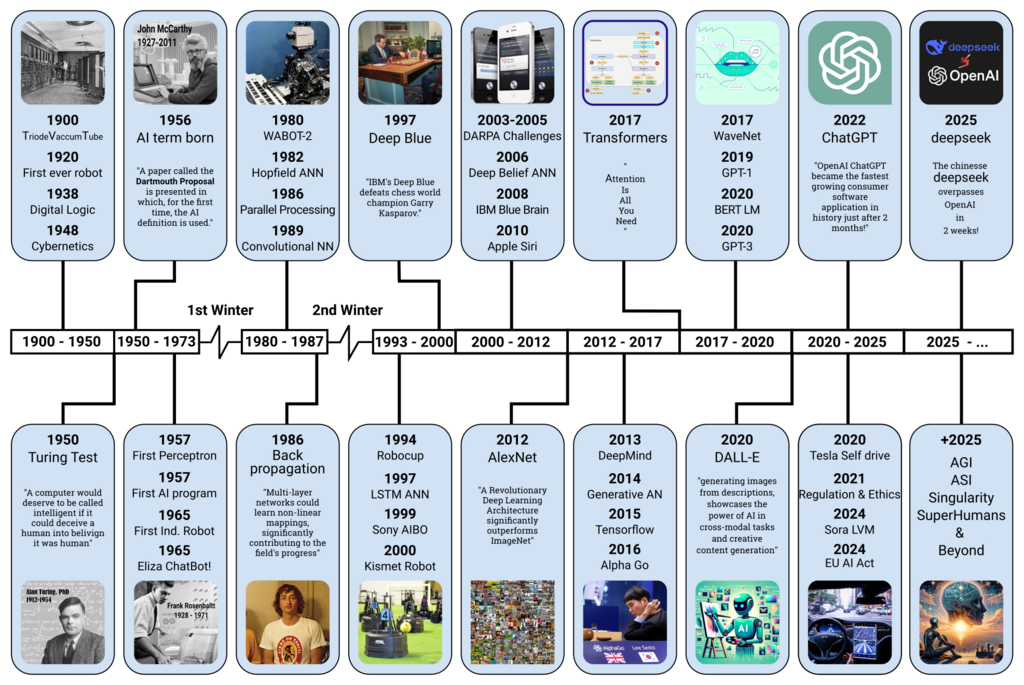
While AI feels like a recent buzzword, its roots go back decades. The term was first coined in 1956 at a conference at Dartmouth College. Early AI research focused on problem-solving and symbolic methods. Over the years, progress has been a series of breakthroughs and periods of slower development, often called "AI winters." The recent explosion in AI is largely due to two things: the availability of massive amounts of data and significant increases in computing power.
The Building Blocks of AI
To understand AI, you need to know a few key concepts that power it. Two of the most important are Machine Learning and Natural Language Processing.
Machine Learning (ML) is a subset of AI where systems learn directly from data without being explicitly programmed. Instead of writing code with specific instructions for a task, developers feed a model large amounts of data and let it learn the patterns itself. For example, you can train a model to recognize pictures of cats by showing it thousands of cat photos, not by writing rules about what a cat looks like.
Natural Language Processing (NLP) is another branch of AI focused on enabling computers to understand, interpret, and generate human language. It's the technology behind virtual assistants like Siri and Alexa, language translation apps, and chatbots that answer customer service questions. NLP bridges the communication gap between humans and machines.
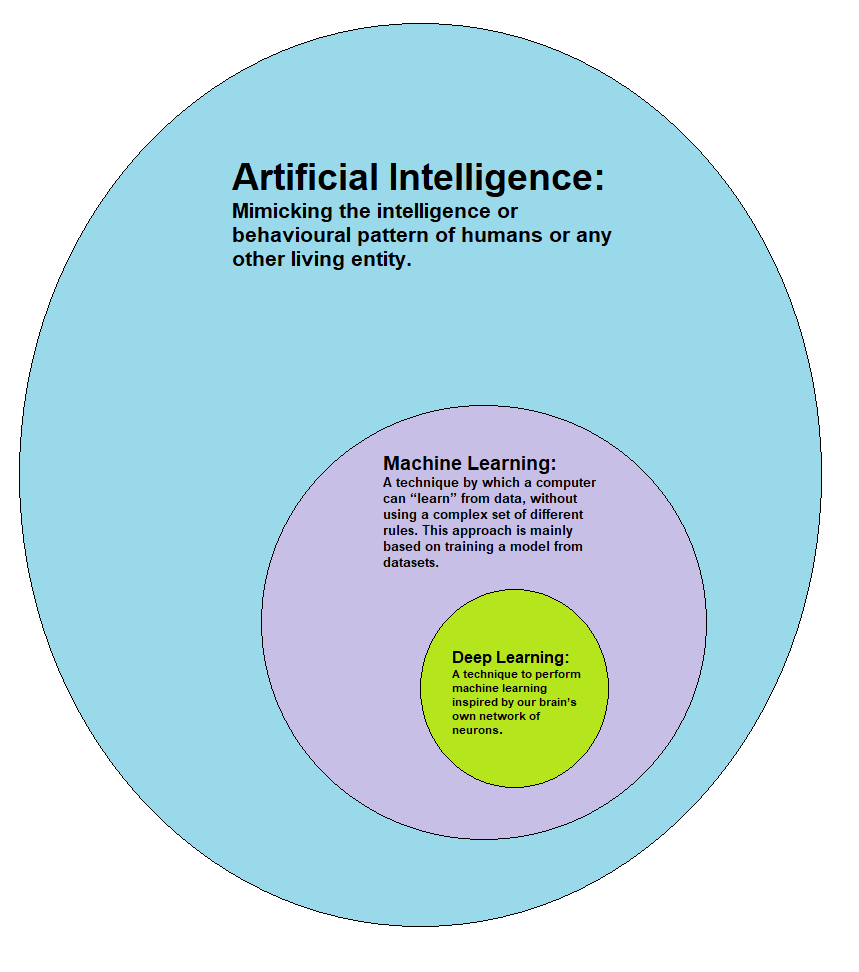
Understanding AI terminology is crucial for business leaders looking to integrate AI into their operations.
AI in Action
AI is no longer just a concept from science fiction; it's a practical tool transforming industries. Businesses are using AI to streamline operations, gain insights from data, and create better customer experiences. The applications are diverse and growing every day.
| Industry | AI Application Example |
|---|---|
| Retail | Personalized product recommendations for online shoppers. |
| Finance | Fraud detection systems that analyze transaction patterns in real time. |
| Healthcare | AI tools that help doctors analyze medical images to detect diseases earlier. |
| Manufacturing | Predictive maintenance that forecasts when machinery will need repairs, reducing downtime. |
The current trend is a rapid acceleration of AI adoption. Companies are moving from experimenting with small pilot projects to integrating AI into their core strategies. This shift is driven by the clear return on investment AI can provide, from automating repetitive tasks to unlocking new business models. As the technology becomes more accessible, businesses of all sizes are finding ways to leverage its power.
Time to check your understanding of these core ideas.
What is the primary goal of Artificial Intelligence?
What two main factors have driven the recent surge in AI development?
With this foundation, you're ready to explore how these concepts translate into real-world business strategy and operational improvements.