AI for Business Process Automation
Introduction to AI in Business
What Is AI Anyway?
Artificial Intelligence, or AI, is about creating computer systems that can perform tasks that usually require human intelligence. This includes things like learning, reasoning, problem-solving, and understanding language.
Think of it this way: AI gives a computer a mind of its own, allowing it to learn from experience and adapt to new inputs.
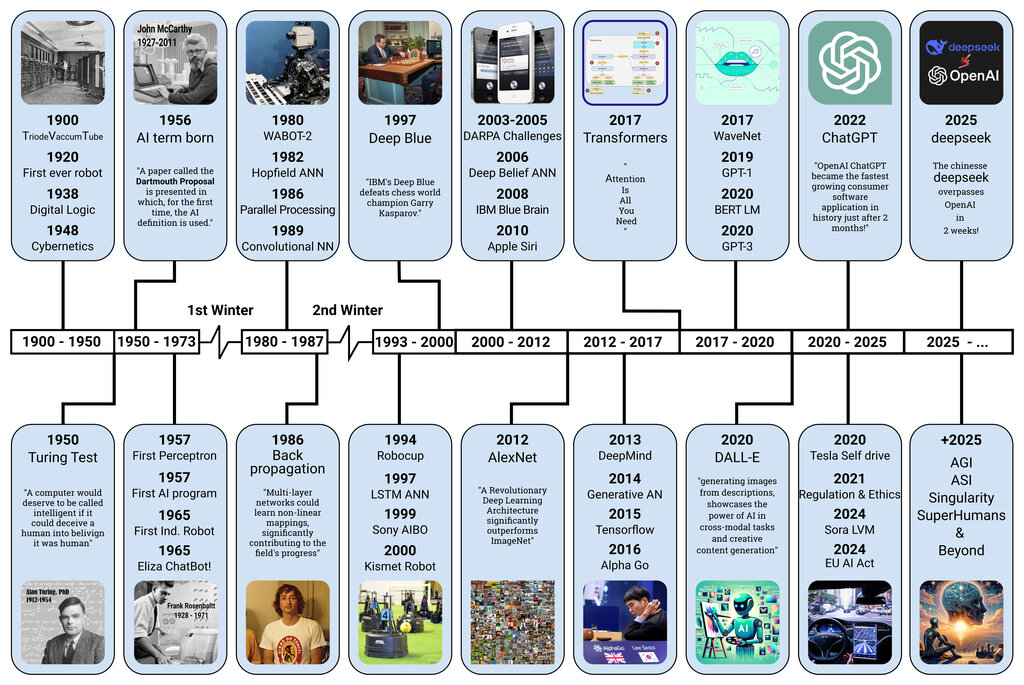
The idea isn't new. The concept of intelligent machines has been around for decades, but it's only in recent years that we've had the computing power and data to make it a practical reality for businesses. The journey from theoretical concept to a powerful business tool has been long, marked by periods of rapid advancement and quiet lulls.
The Two Main Flavors of AI
When people talk about AI, they're usually referring to one of two types: Narrow AI or General AI. Understanding the difference is key.
Artificial Narrow Intelligence (ANI), often called Weak AI, is what we have today. This type of AI is designed to perform a single, specific task. It can be incredibly good at that one job, sometimes even better than humans. Your phone's voice assistant, the recommendation engine that suggests movies, and the software that detects fraudulent credit card transactions are all examples of Narrow AI. They operate within a pre-defined range and can't perform tasks beyond their programming.
Artificial General Intelligence (AGI), or Strong AI, is the stuff of science fiction... for now. AGI refers to a machine with the ability to understand, learn, and apply its intelligence to solve any problem, much like a human being. An AGI system would be able to switch between tasks as different as composing a symphony and performing complex surgery without being reprogrammed. We're not there yet, but it's the long-term goal for many researchers.
For now, all business applications of AI use Narrow AI. They are specialized tools built to solve specific problems.
AI at Work
So how are businesses using this specialized, Narrow AI? The applications are vast and growing every day. Instead of a single, all-knowing machine, companies use a collection of AI tools to improve different parts of their operations. Here are a few examples:
| Department | AI Application |
|---|---|
| Marketing & Sales | Personalized product recommendations and targeted advertising. |
| Customer Service | AI-powered chatbots that answer customer questions 24/7. |
| Finance | Detecting fraudulent transactions in real-time. |
| Operations | Optimizing supply chains by predicting demand and managing inventory. |
| Human Resources | Screening resumes to identify the most promising candidates. |
These applications help businesses become more efficient, make smarter decisions, and create better experiences for their customers. The goal isn't to replace humans, but to augment their abilities, freeing them up from repetitive tasks to focus on more strategic work.
Benefits and Hurdles
Integrating AI can transform a business, but it's not a magic bullet. It comes with both significant advantages and real challenges.
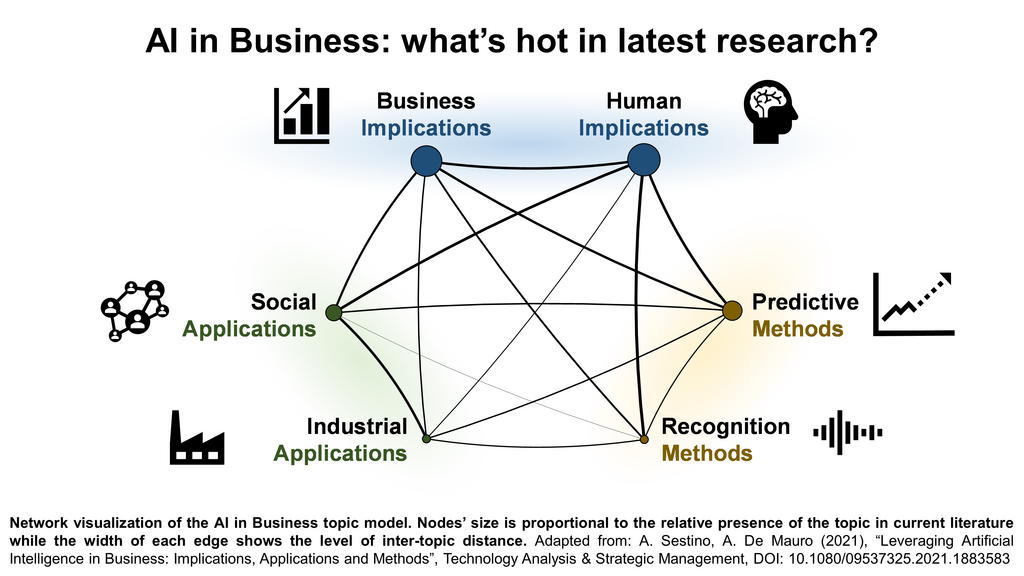
On the plus side, AI can automate repetitive tasks, leading to increased efficiency and lower costs. It can analyze huge amounts of data to uncover insights that would be impossible for a human to find, leading to better, data-driven decisions. This can result in improved products, happier customers, and a stronger competitive edge.
However, there are hurdles to overcome. Implementing AI can be expensive, requiring investment in technology and specialized talent. Data is the lifeblood of AI, and many companies struggle with collecting, cleaning, and managing the high-quality data needed to train AI models. There are also ethical considerations, such as ensuring that AI systems are fair and transparent, and concerns about data privacy and job displacement.
Implementing “how to use AI in business” goes beyond mere buzz—it’s a strategic move that can redefine your efficiency, decision-making, and customer relationships.
Successfully adopting AI means carefully weighing these benefits and challenges to create a strategy that fits your specific business goals.
What is the primary goal of Artificial Intelligence?
A smartphone's voice assistant, which can answer questions and set alarms but cannot write a novel, is an example of what type of AI?
AI is no longer a futuristic concept but a practical tool that's reshaping the business world. By understanding its fundamental concepts, you're better equipped to see how it can create value for your own organization.