AI for Business Owners
Introduction to AI in Business
What is AI, Really?
Artificial intelligence isn't about sentient robots from the movies. For a business owner, it's much simpler and more practical. Think of AI as a set of powerful tools that can learn, reason, and make decisions based on data, often mimicking human intelligence but on a much larger scale.
Imagine hiring an incredibly fast, detail-oriented assistant who never needs to sleep. This assistant can sift through mountains of customer feedback, organize your inventory, and even predict what your customers might want to buy next. That's the core idea of AI in business. It's about augmenting your own abilities and intuition with data-driven power.
AI gives businesses the ability to automate processes, gain insights through data analysis, and engage with customers in new and powerful ways.
The AI Toolkit
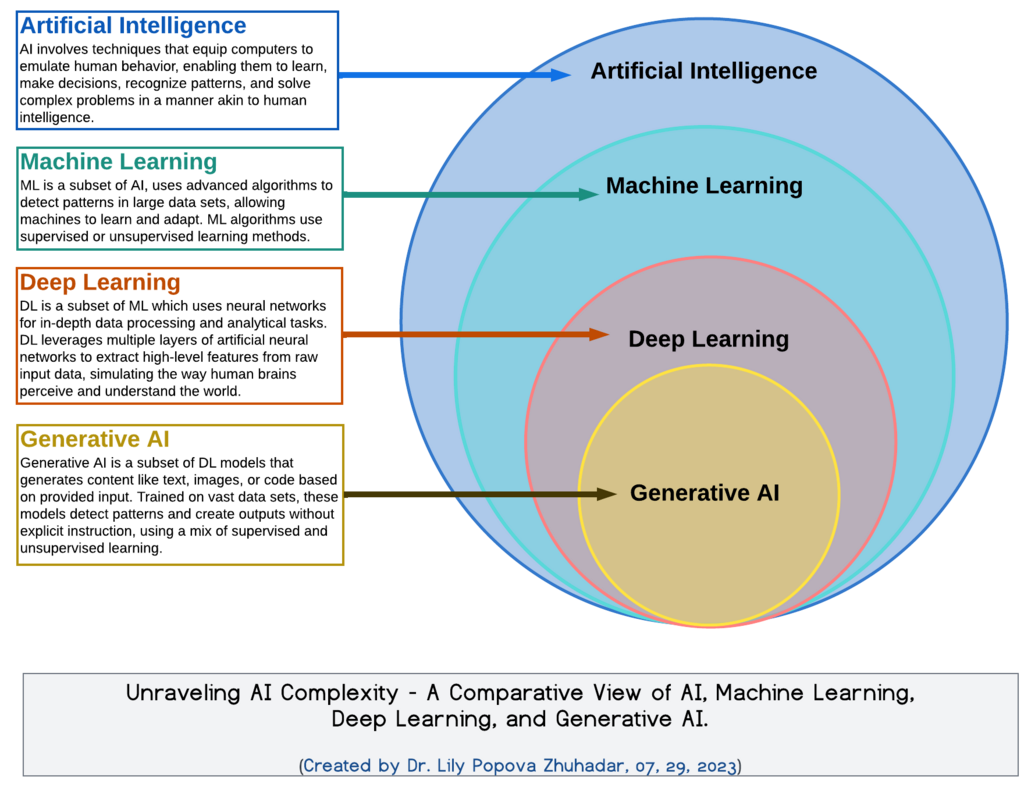
AI is a broad field, but most business applications boil down to a few key technologies. You don't need to be an expert, but knowing the basics helps you spot opportunities.
Machine Learning (ML) is the most common type of AI. It’s the process of teaching a computer to find patterns in data without being explicitly programmed. Every time your email provider flags a message as spam, that's ML at work. It has learned what spam looks like from millions of past examples.
Natural Language Processing (NLP) gives machines the ability to understand and respond to human language. If you've ever used a customer service chatbot or a voice assistant like Siri or Alexa, you've interacted with NLP. It's the technology that bridges the gap between human communication and computer understanding.
Why AI Matters for Your Business
Understanding the technology is one thing, but knowing its practical benefits is what truly matters. Integrating AI isn't just about keeping up with trends; it’s about unlocking real, measurable advantages that can fundamentally change how you operate.
First, AI drives efficiency. It excels at automating routine, time-consuming tasks. Think about processing invoices, managing schedules, or sorting customer data. By handing these jobs over to an AI, you free up your team to focus on creative problem-solving and strategic work that truly grows the business.
Second, it fuels innovation. AI can analyze customer behavior and market trends to uncover opportunities you might have missed. This can lead to new products, personalized services, or entirely new business models. For example, a streaming service uses AI not just to recommend shows, but to decide which new shows to produce based on viewer data.
Finally, these advantages combine to give you a powerful competitive edge. Businesses that use AI can make faster, more informed decisions, understand their customers on a deeper level, and operate with greater speed and accuracy than those who don't.
| Benefit | How AI Helps | A Practical Example |
|---|---|---|
| Increased Efficiency | Automates repetitive tasks and workflows. | An accounting firm uses AI to automatically categorize expenses from bank statements. |
| Smarter Decisions | Analyzes vast amounts of data to find hidden insights. | A retail store uses sales data to predict which products will be popular next season. |
| Better Customer Experience | Provides personalized, instant support and recommendations. | An e-commerce site uses a chatbot to answer customer questions 24/7. |
| Product Innovation | Creates capabilities that weren't possible before. | A fitness app uses AI to create customized workout plans based on a user's progress. |
You'll be hearing a lot about AI in the coming years. This foundational knowledge is your starting point for thinking about how these tools can fit into your own business strategy.