AI for Business Operations
Introduction to AI in Business
What Exactly Is AI?
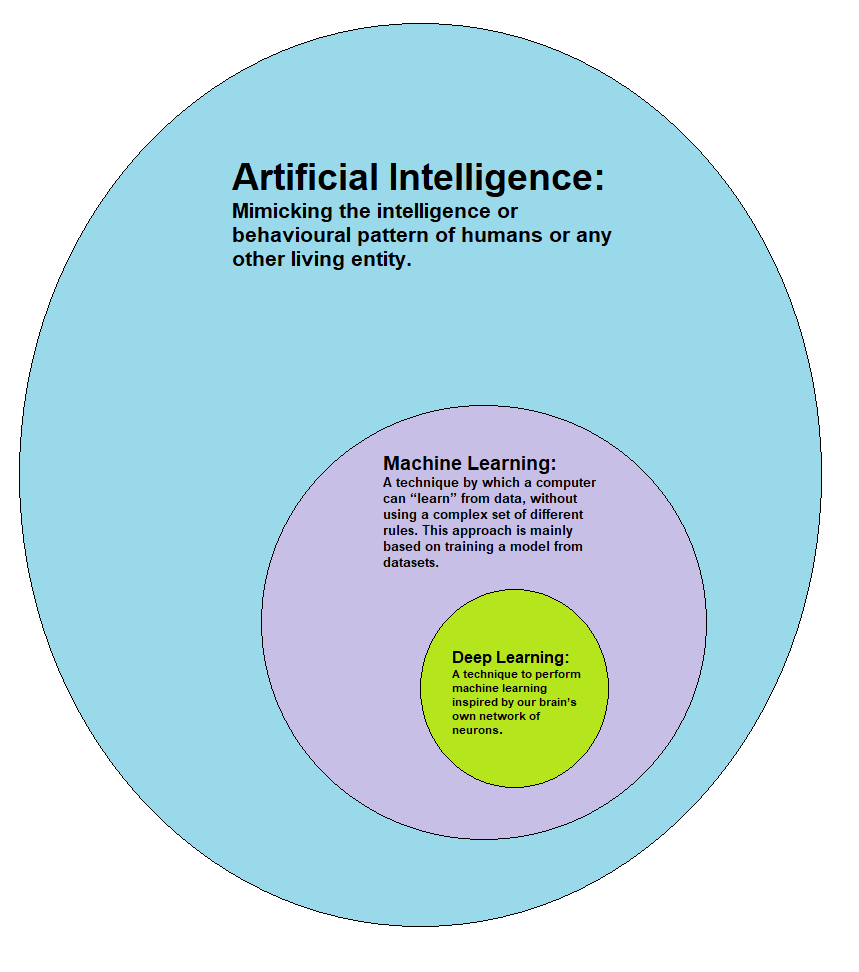
Artificial intelligence, or AI, is about creating computer systems that can perform tasks that normally require human intelligence. This includes things like learning from experience, understanding language, recognizing objects in photos, and making decisions.
Think of it less as a single technology and more as a broad field of study. Under the umbrella of AI, you'll find several key areas, including machine learning and deep learning. Machine learning allows computers to learn from data without being explicitly programmed for every task. Deep learning, a subset of machine learning, uses complex structures called neural networks to handle more intricate patterns, like recognizing speech or images.
AI systems are often categorized by their capabilities. Most of what we see today is called Artificial Narrow Intelligence (ANI). These systems are designed to perform a specific task very well, like recommending a movie or translating a sentence. The next level is Artificial General Intelligence (AGI), a hypothetical type of AI that could understand, learn, and apply knowledge across a wide range of tasks at a human level. Beyond that is Artificial Superintelligence (ASI), which would surpass human intelligence in every field.
| Type | Description | Example |
|---|---|---|
| Artificial Narrow Intelligence (ANI) | Specializes in one specific task. | A chatbot for customer service. |
| Artificial General Intelligence (AGI) | Can understand, learn, and apply knowledge like a human. | Currently theoretical. |
| Artificial Superintelligence (ASI) | Surpasses human intelligence in all aspects. | Currently theoretical. |
A Brief History
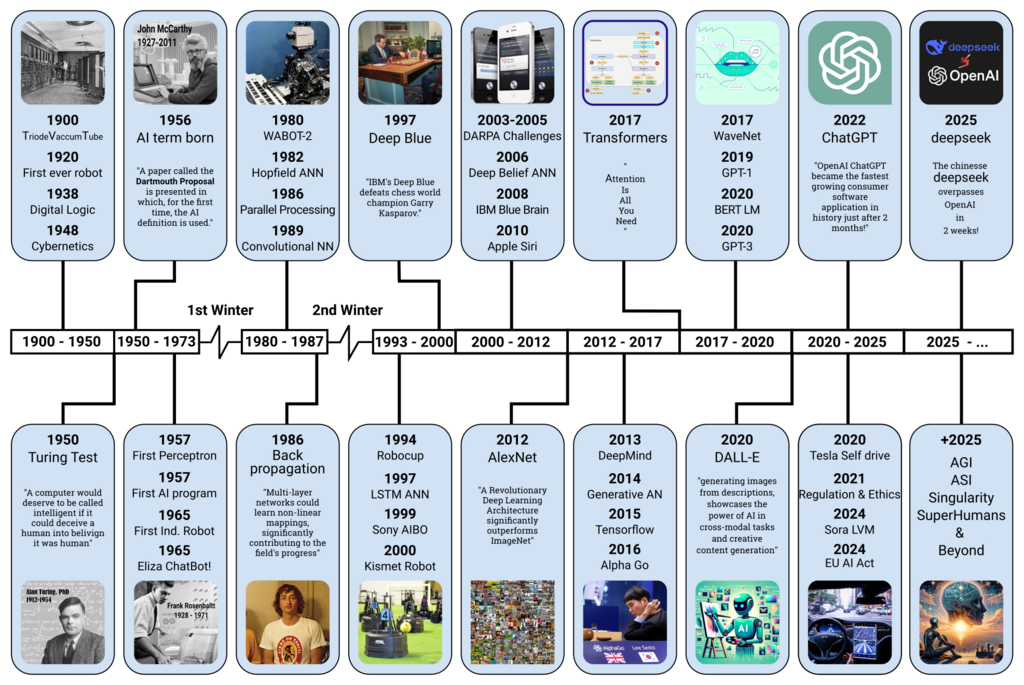
The idea of intelligent machines isn't new; it has roots in mythology and fiction. But the scientific journey of AI began in the mid-20th century. The 1950s were a pivotal decade. British mathematician Alan Turing proposed the "Turing Test" to determine if a machine could exhibit intelligent behavior indistinguishable from that of a human. A few years later, the term "artificial intelligence" was officially coined at a workshop at Dartmouth College.
The field has seen periods of rapid progress followed by lulls, often called "AI winters," when funding and interest dried up. However, recent advances in computing power and the availability of massive datasets have fueled the incredible progress we see today. From chess-playing computers in the 90s to the sophisticated language models we can now interact with, AI has evolved from a laboratory concept into a part of daily life.
AI at Work
In the business world, AI has moved from a buzzword to a fundamental tool for growth and innovation. Companies across all sectors are using AI to streamline their operations, connect with customers, and make smarter decisions.
AI isn't just one thing. It's a collection of tools that can be applied to countless business problems, from the stockroom to the boardroom.
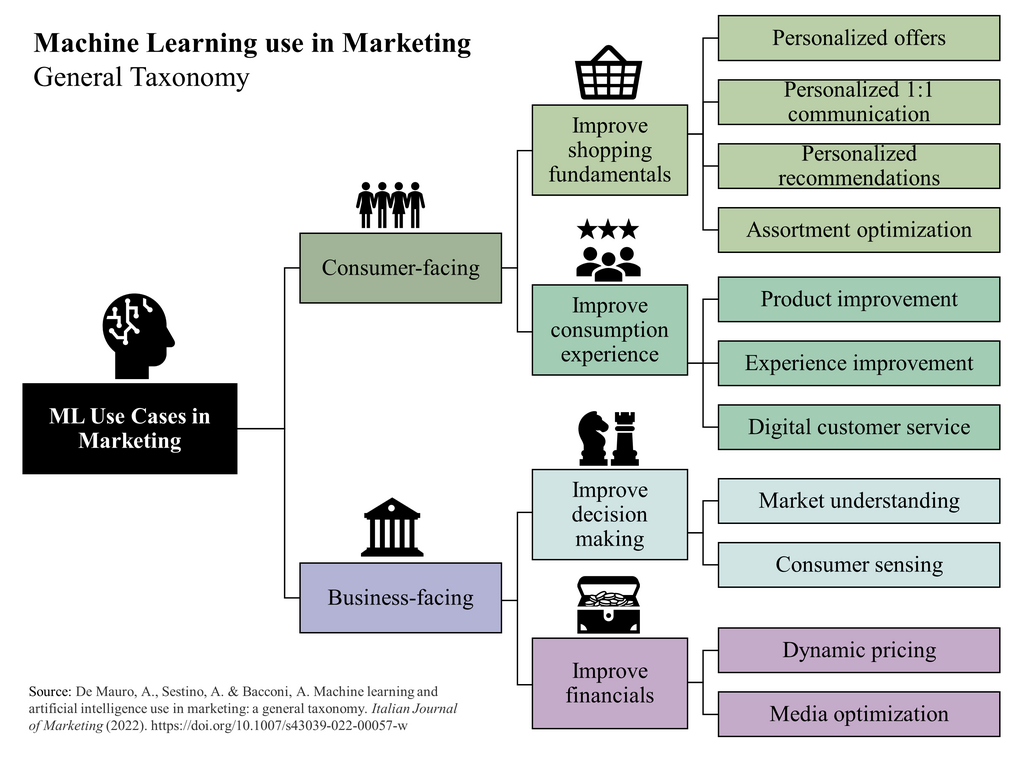
Consider customer service. Many companies now use AI-powered chatbots to answer common questions 24/7, freeing up human agents to handle more complex issues. In marketing, AI algorithms analyze customer data to deliver personalized product recommendations and advertisements, making marketing efforts more effective.
Behind the scenes, AI is optimizing supply chains by predicting demand for products, managing inventory, and even planning the most efficient delivery routes. In finance, it's used to detect fraudulent transactions and assess credit risk. These applications are just the tip of the iceberg.
The Business Advantage
Why are so many businesses adopting AI? The benefits are clear and compelling. One of the biggest advantages is efficiency. AI can automate repetitive, time-consuming tasks, allowing employees to focus on more creative and strategic work. This not only boosts productivity but can also lead to significant cost savings.
AI also empowers businesses to make better, data-driven decisions. By analyzing vast amounts of data, AI can uncover patterns and insights that a human might miss. This can help a company spot market trends, anticipate customer behavior, or optimize pricing strategies.
AI can create value for businesses by helping them make strategic decisions related to resource allocation, spotting new market prospects, anticipating consumer habits and optimizing pricing structures.
Furthermore, AI enhances the customer experience. From personalized recommendations that feel uniquely tailored to an individual, to instant support from a chatbot, AI helps businesses serve their customers better, faster, and more effectively. This can lead to increased customer loyalty and satisfaction.
Ultimately, integrating AI is a strategic move that helps companies stay competitive in an increasingly digital world.
Now, let's test your understanding of these core concepts.
What is the primary goal of Artificial Intelligence?
Which category of AI represents the systems we most commonly interact with today, such as movie recommendation engines and language translators?