AI for AWS SREs
Introduction to AI and ML
Defining the Intelligence
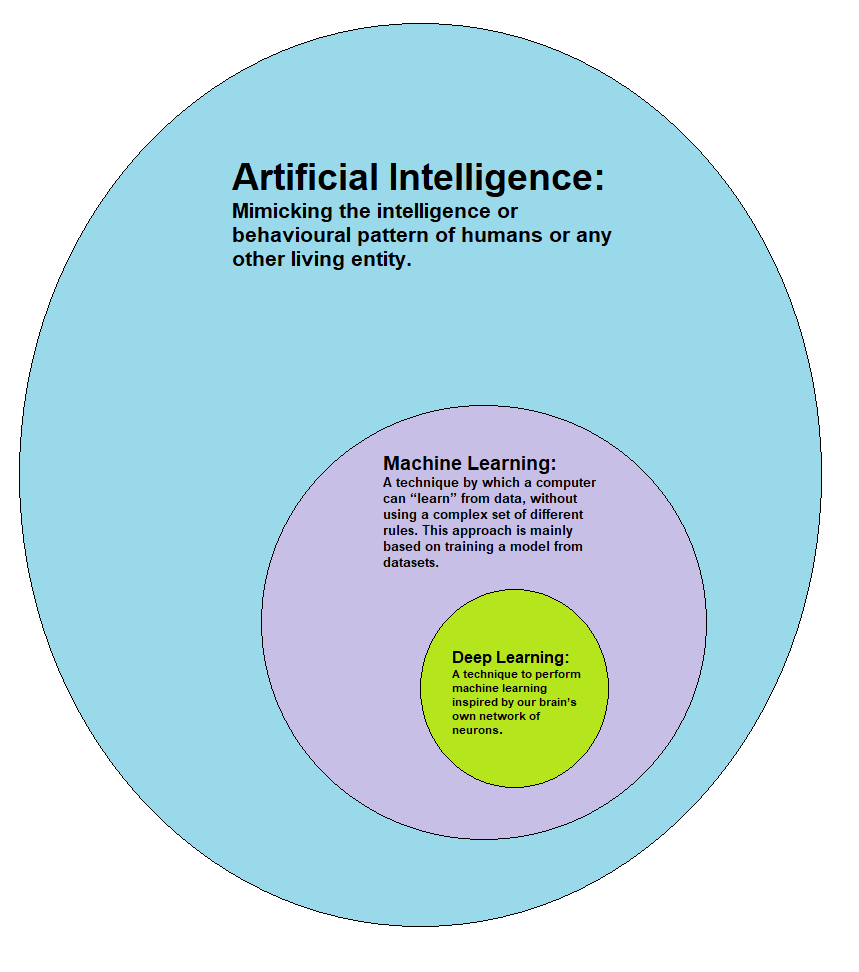
Artificial Intelligence, or AI, is a broad field of computer science focused on creating machines that can perform tasks that typically require human intelligence. Think of it as the big umbrella term for making computers smart. This can range from understanding language and recognizing images to solving complex problems and making decisions.
Artificial Intelligence
noun
The theory and development of computer systems able to perform tasks that normally require human intelligence, such as visual perception, speech recognition, decision-making, and translation between languages.
Machine Learning (ML) is a major branch of AI. Instead of being explicitly programmed with rules for every possible situation, an ML system learns directly from data. It identifies patterns and makes decisions with minimal human intervention. It’s like teaching a child by showing them examples rather than listing instructions. You show it thousands of cat photos, and eventually, it learns to recognize a cat on its own.
Machine Learning
noun
A subset of artificial intelligence that provides systems the ability to automatically learn and improve from experience without being explicitly programmed.
Within Machine Learning, there’s another exciting field called Deep Learning. Deep Learning uses structures called neural networks, which are inspired by the human brain. These networks have many layers, allowing them to learn very complex patterns from huge amounts of data. This is the technology that powers things like advanced image recognition and natural language processing.
AI in the Wild
You probably interact with AI and ML systems every day, even if you don't realize it. When Netflix suggests a movie you might like, that's machine learning at work. It analyzes your viewing history and compares it to millions of other users to predict what you'll want to watch next.
Virtual assistants like Siri and Alexa use AI to understand your spoken commands and respond helpfully. Even the spam filter in your email inbox is a form of ML, constantly learning to distinguish legitimate emails from junk.
But the applications go far beyond consumer tech.
| Industry | Application | Impact |
|---|---|---|
| Healthcare | Analyzing medical images to detect diseases | Faster, more accurate diagnoses |
| Finance | Detecting fraudulent credit card transactions | Increased security and reduced financial loss |
| Retail | Personalizing shopping recommendations | Improved customer experience and higher sales |
| Manufacturing | Predicting when machinery will need maintenance | Reduced downtime and lower operational costs |
| Agriculture | Optimizing crop yields using sensor data | More efficient food production and resource management |
Changing How Business Works
The core impact of AI and ML on business is a shift toward data-driven decision-making. Instead of relying solely on intuition or past experience, organizations can use AI to analyze vast datasets and uncover insights that would be impossible for a human to find.
This leads to more efficient processes. AI can automate repetitive tasks, freeing up employees to focus on more creative and strategic work. It also allows for incredible personalization at scale, tailoring products, services, and marketing to individual customers. Ultimately, this helps companies operate more effectively and build a stronger competitive edge.
Let's review the key terms we've covered.
Now, let's check your understanding of these concepts.
Which statement accurately describes the relationship between Artificial Intelligence (AI), Machine Learning (ML), and Deep Learning (DL)?
Your email service automatically sorts incoming messages, sending some to a 'Spam' folder. This feature is a classic example of:
Understanding these fundamental ideas is the first step. By grasping what AI and ML are, how they differ, and where they're used, you've built a solid foundation for exploring how these technologies are applied in more specific, technical roles.