AI for Agile Sprint Scoping
Introduction to AI in Agile Development
AI Meets Agile
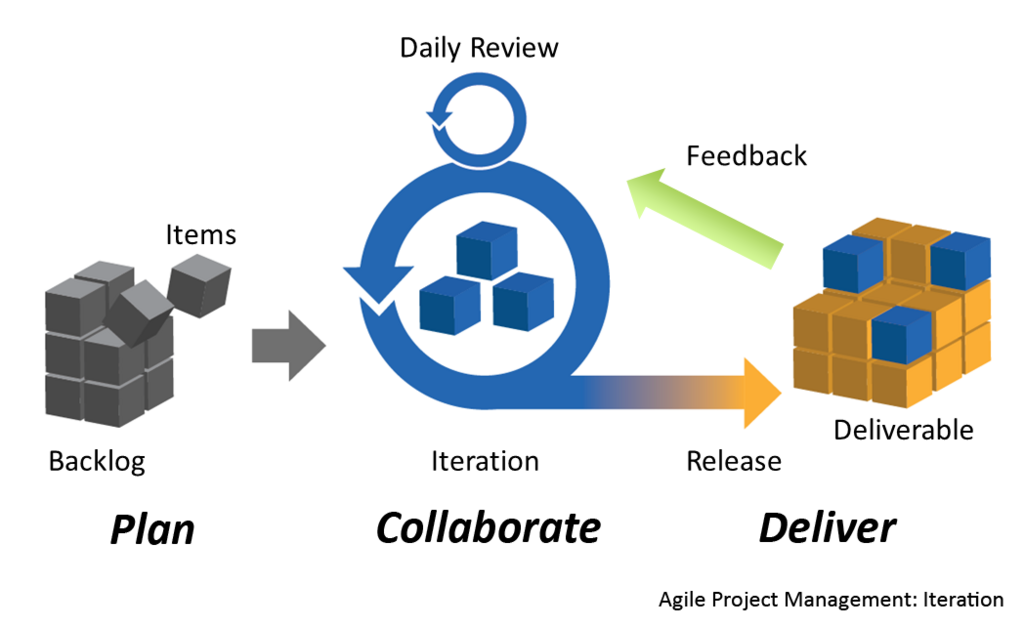
Agile development is all about moving fast and adapting to change. Teams work in short cycles, called sprints, to build and release software piece by piece. The goal is to deliver value to users quickly and learn from their feedback. Think of it like building a house one room at a time, rather than trying to construct the entire thing at once. This iterative approach is powerful, but it relies on one crucial element: smart planning.
This is where Artificial Intelligence comes in. In this context, AI isn't about creating sentient robots. It's about using smart algorithms to handle complex tasks that normally require human intelligence. When applied to Agile, AI acts like an incredibly sharp assistant, helping teams make better decisions, faster.
By integrating AI, teams can focus on strategic thinking and creativity, leaving routine work to intelligent systems.
Smarter Sprint Planning
Every sprint begins with a fundamental question: What should we work on next? Answering this involves digging through a product backlog, which can be a sprawling list of user stories, bug reports, and new feature ideas. This information often comes from different sources, like customer feedback emails, support tickets, and long design documents. Manually sifting through everything to define a clear scope for the next two weeks is time-consuming and can be subjective.
AI tools can streamline this entire process. Instead of a project manager spending hours reading and interpreting documents, an AI can analyze all of these unstructured sources in moments. It can identify key requirements, spot dependencies between tasks, and even estimate the effort required for each piece of work based on historical data.
The AI can connect the dots between a customer complaint in a support ticket and a technical requirement buried in a design document, suggesting a high-priority task for the next sprint.
Benefits Beyond Speed
Automating sprint scoping isn't just about saving time. It leads to more accurate and objective planning. Because an AI can process vast amounts of data without bias, its suggestions are based on evidence from past projects and user feedback, not just a gut feeling. This data-driven approach helps teams focus on work that delivers the most value.
| Benefit | Manual Process | AI-Assisted Process |
|---|---|---|
| Objectivity | Based on individual interpretation | Based on comprehensive data analysis |
| Speed | Hours or days | Minutes |
| Accuracy | Prone to missed details and dependencies | Identifies hidden connections and risks |
| Consistency | Varies between project managers | Consistent and repeatable logic |
Furthermore, it improves transparency. The AI can provide a rationale for its suggestions, showing exactly which pieces of feedback or requirements led to a particular task being prioritized. This helps everyone on the team, from developers to stakeholders, understand the 'why' behind the work.
By handling the heavy lifting of analysis, AI frees up the team to focus on what they do best: creative problem-solving, collaboration, and building great products. The project manager's role shifts from a data gatherer to a strategic decision-maker, using AI-driven insights to guide the team more effectively.
What is the primary function of AI when applied to Agile sprint planning, as described in the provided text?
True or False: According to the text, the main advantage of using AI for sprint planning is that it eliminates the need for a product backlog.
This combination of Agile's flexibility and AI's analytical power creates a more efficient, predictable, and value-focused development cycle.