AI For Africa
Introduction to Artificial Intelligence
What Is Artificial Intelligence?
Artificial intelligence, or AI, is the science of making machines that can think or act like humans. It's a broad field in computer science focused on building smart systems capable of tasks that typically require human intelligence. This includes things like learning from experience, solving problems, understanding language, and recognizing objects and sounds.
Think of it this way: AI gives a computer a mind of its own, allowing it to perceive its environment and take actions to achieve specific goals.
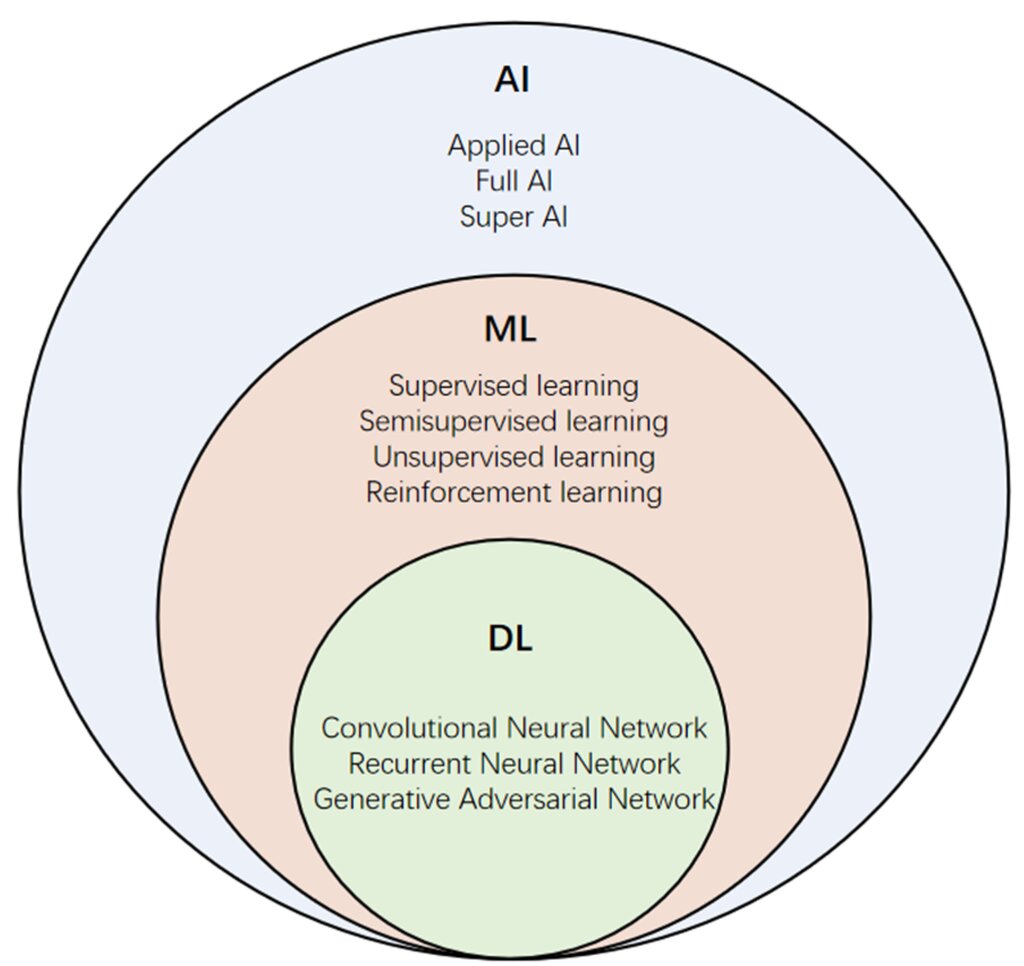
At its core, AI is made up of several key areas. Machine learning is a subset of AI where systems learn and improve from data without being explicitly programmed. Deep learning is a further subset of machine learning that uses complex, multi-layered neural networks—inspired by the human brain—to handle vast amounts of data. This hierarchy is how we get from a broad idea to specific, powerful applications.
A Quick Trip Through Time
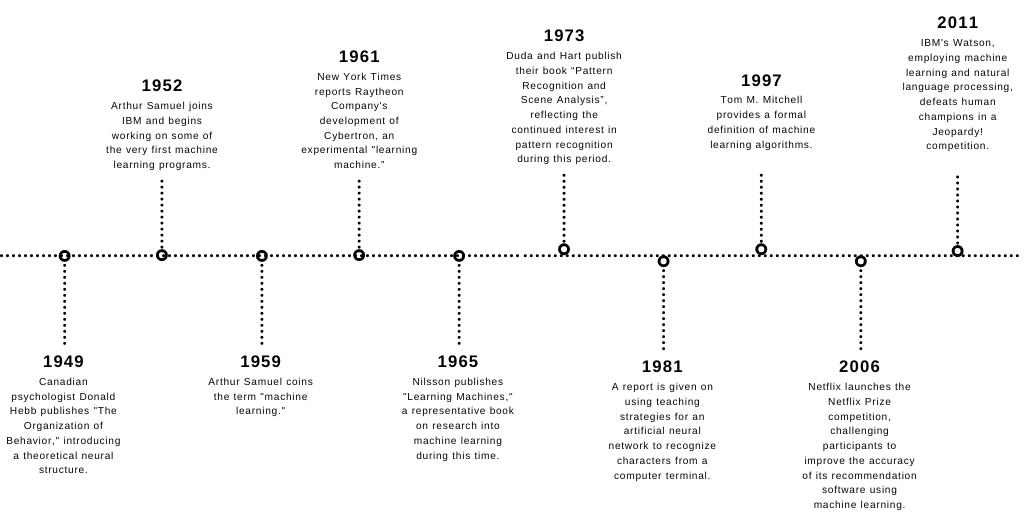
The idea of intelligent machines has been around for centuries, but the modern field of AI officially began in the summer of 1956. A group of researchers gathered for a workshop at Dartmouth College to explore the idea that “every aspect of learning or any other feature of intelligence can in principle be so precisely described that a machine can be made to simulate it.” This event coined the term "artificial intelligence" and kicked off decades of discovery.
The journey wasn't always smooth. Early excitement led to high expectations, followed by periods of reduced funding and interest known as "AI winters." However, recent breakthroughs, driven by the explosion of big data and massive increases in computing power, have brought AI back to the forefront. We've moved from simple rule-based systems to complex models that can learn, adapt, and create in ways that were once purely science fiction.
Narrow vs. General AI
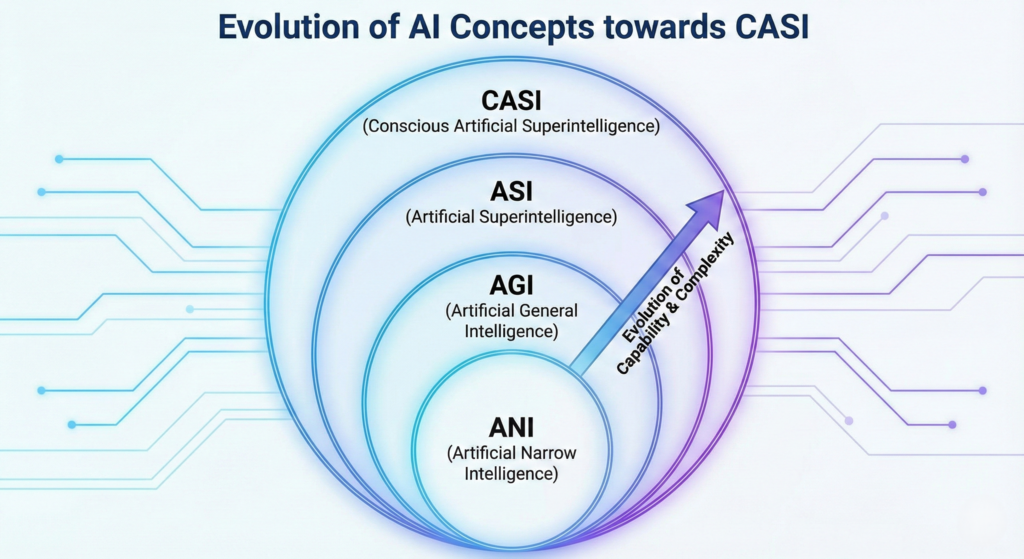
When we talk about AI today, we're almost always talking about Artificial Narrow Intelligence (ANI), also known as Weak AI. This type of AI is designed to perform a single, specific task very well. It's the intelligence behind your phone's facial recognition, the recommendation engine on your favorite streaming service, and the navigation app that gets you through traffic.
ANI is a specialist. It can master one job, like playing chess or translating languages, but it can't apply its knowledge to anything else.
The other type is Artificial General Intelligence (AGI), or Strong AI. This is the more futuristic, human-like AI you see in movies. AGI would have the ability to understand, learn, and apply its intelligence to solve any problem, much like a human being. It could switch seamlessly between writing a poem, diagnosing a disease, and composing music. While AGI remains a theoretical goal for researchers, the progress in ANI is what's currently transforming our world.
AI in Africa
Across Africa, AI is not just a buzzword; it's becoming a powerful tool for solving unique, local challenges. The continent is leveraging AI to drive development and create opportunities in key sectors.
In agriculture, AI-powered drones and sensors help farmers monitor crop health, manage water resources efficiently, and predict yields. In healthcare, AI assists in diagnosing diseases like malaria and tuberculosis from medical images, bringing expert-level analysis to remote areas that lack specialists.
Financial services are also being transformed. AI algorithms are used in mobile banking apps to assess credit risk, detect fraud, and provide personalized financial advice to millions of people who may not have access to traditional banks. These applications show how AI can be adapted to meet specific regional needs, creating solutions for Africa, by Africans.
Let's review some of the key ideas we've covered.
Ready to test your knowledge?
Which statement correctly describes the relationship between Artificial Intelligence (AI), Machine Learning (ML), and Deep Learning (DL)?
The term "artificial intelligence" was coined at a 1956 workshop held at which institution?
You now have a solid foundation in what AI is, where it came from, and how it's shaping the world. Next, we'll explore some of its most important applications in more detail.