AI for Adult Content Generation
Introduction to AI and Machine Learning
What Are AI and Machine Learning?
Artificial Intelligence (AI) is a broad field of computer science focused on creating machines that can perform tasks that typically require human intelligence. This includes things like learning, reasoning, problem-solving, perception, and using language.
Machine Learning (ML) is a major branch of AI. Instead of being explicitly programmed to perform a task, a machine learning system is given large amounts of data, which it uses to learn how to do the task on its own. Think of it this way: AI is the whole car, and machine learning is the engine that makes it go.
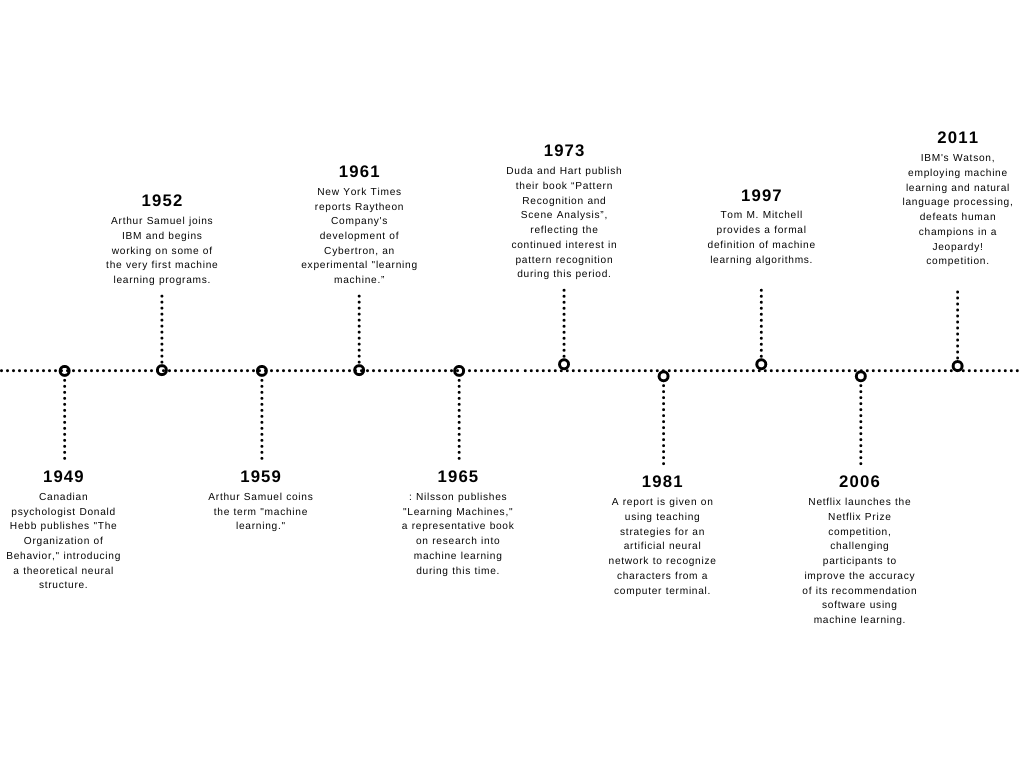
A Brief History of AI
The dream of creating intelligent machines has been around for centuries, but the formal field of AI research began in the 1950s. Early AI focused on solving puzzles and playing strategic games like chess. Researchers were optimistic, but progress was slow due to limited computing power and data.
The field went through periods of high funding and excitement, followed by “AI winters” where progress stalled. The modern era of AI was kicked off by breakthroughs in machine learning and the availability of massive datasets and powerful computers. This led to the powerful AI tools we see today.
Types of AI
When people talk about AI, they are usually referring to one of two types: Artificial Narrow Intelligence (ANI) or Artificial General Intelligence (AGI).
Artificial Narrow Intelligence (ANI)
noun
AI that is designed and trained for one specific task. It operates within a limited, predefined range and cannot perform tasks beyond what it was created for.
Virtually all AI that exists today is ANI. Virtual assistants like Siri, recommendation engines on streaming services, and self-driving cars are all examples of narrow AI. They are incredibly good at their specific jobs, but they can't think or reason outside of those domains.
Artificial General Intelligence (AGI)
noun
A theoretical form of AI where a machine would have intelligence equal to a human's. It would have a self-aware consciousness and the ability to solve problems, learn, and plan for the future.
How Machines Learn
Machine learning models are trained using different methods, which fall into three main categories: supervised, unsupervised, and reinforcement learning.
Supervised Learning: This is like studying with flashcards. The model is given a dataset where the "right answers" are already labeled. For example, you might feed it a million pictures of cats, each labeled "cat." The algorithm learns the patterns associated with cats so it can identify them in new, unlabeled photos.
Unsupervised Learning: Here, the model gets a dataset with no labels. Its job is to find hidden patterns or structures on its own. Imagine giving a computer a box of mixed-up photos of cats and dogs. It would analyze the images and group them into two piles based on shared characteristics, without ever being told what a "cat" or "dog" is.
Reinforcement Learning: This method is based on trial and error. The model, or "agent," learns by performing actions and receiving rewards or penalties. It's like training a dog. When the dog sits, it gets a treat (a reward). When it chews the furniture, it gets a scolding (a penalty). Over time, the agent learns which actions lead to the best rewards.
| Learning Type | How It Works | Common Use Case |
|---|---|---|
| Supervised | Learns from labeled data | Spam email detection |
| Unsupervised | Finds patterns in unlabeled data | Customer segmentation |
| Reinforcement | Learns through rewards & penalties | Game-playing AI |
AI in the Real World
You interact with AI and machine learning every day, often without realizing it. When a streaming service suggests a movie you might like, that’s an ML algorithm analyzing your viewing history. When your email filters out junk mail, that's supervised learning at work.
Other common applications include:
- Natural Language Processing (NLP): This allows machines to understand and respond to human language. It powers virtual assistants and translation apps.
- Computer Vision: AI systems can “see” and interpret the visual world. This is used in facial recognition, medical imaging analysis, and autonomous vehicles.
- Recommendation Engines: Websites use your past behavior to predict what products, articles, or videos you might be interested in.
These foundational concepts are the building blocks of the complex AI systems that are reshaping our world. Now, let's test your understanding.
Which statement best describes the relationship between Artificial Intelligence (AI) and Machine Learning (ML)?
The type of AI that can perform a wide variety of tasks at a human level of intelligence, but which does not yet exist, is known as ______.
Understanding these core ideas gives you a solid base for exploring the more advanced and fascinating aspects of artificial intelligence.