AI-First Outreach Strategies
Introduction to AI in Business
What Is AI Anyway?
Artificial intelligence, or AI, is about creating systems that can perform tasks that normally require human intelligence. This includes things like learning from experience, understanding language, recognizing patterns, and making decisions.
Think of it less like a sci-fi robot and more like a very smart assistant. It's not about replacing human thought, but augmenting it. AI can analyze vast amounts of data much faster than any person, uncovering insights that help businesses connect with customers in more meaningful ways.
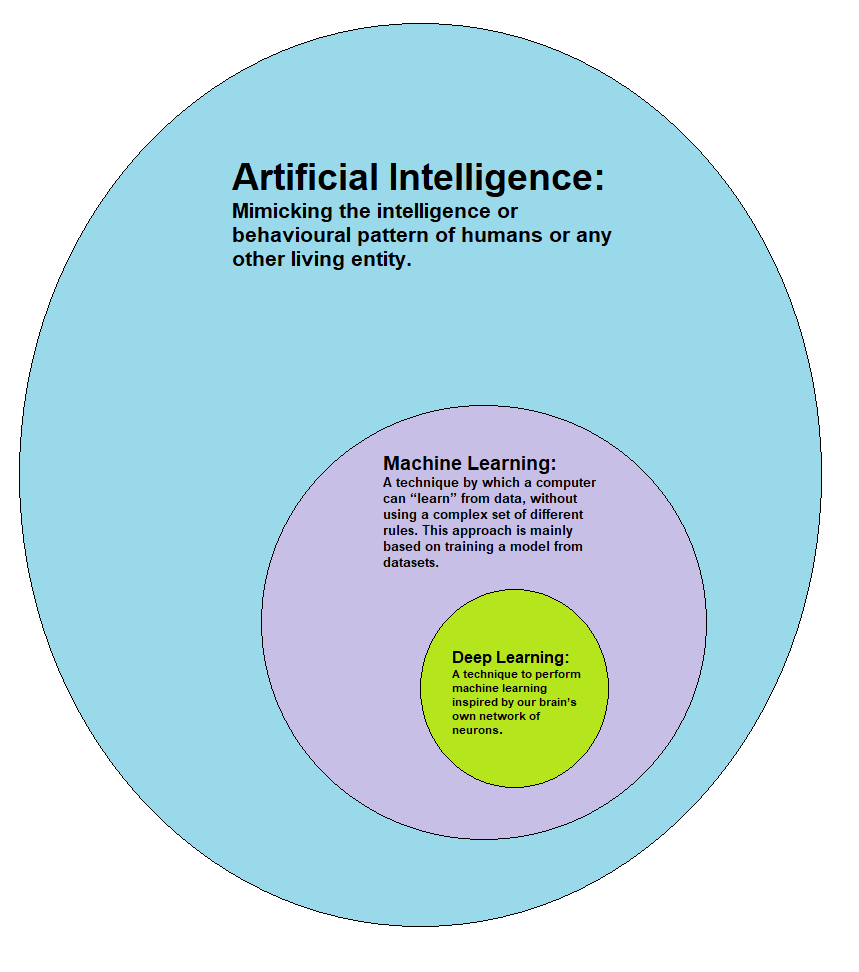
In the business world, AI isn't one single thing. It’s a collection of technologies that can be applied to solve specific problems. The goal is to make processes smarter, faster, and more effective, especially in areas like marketing and sales where understanding the customer is everything.
From Backroom to Front Office
AI's role in business didn't start with personalized ads and chatbots. For decades, its early forms worked behind the scenes, optimizing supply chains, managing inventory, and detecting fraud. These were powerful but invisible applications.
The big shift happened when data became abundant and computing power grew exponentially. Suddenly, AI could be applied to the messier, more human side of business: customer interaction. It moved from the backroom to the front office.
AI evolved from a tool for optimizing internal processes to a key driver of the customer experience itself.
This evolution means that instead of just making a warehouse more efficient, AI can now predict what a customer might want to buy next, answer their questions in real time, and create marketing messages that resonate on a personal level.
The AI Toolkit for Business
Several key AI technologies are transforming how businesses operate, especially in marketing and sales. You don't need to be an engineer to grasp the basics of what they do.
| Technology | What It Does | Business Application |
|---|---|---|
| Machine Learning (ML) | Learns from data to find patterns and make predictions. | Forecasting sales trends, recommending products. |
| Natural Language Processing (NLP) | Understands and responds to human language. | Powering chatbots, analyzing customer reviews for sentiment. |
| Generative AI | Creates new content, from text to images. | Writing email campaigns, generating ad copy, creating visuals. |
These tools often work together. For instance, an e-commerce site might use machine learning to analyze your browsing history, then use generative AI to write a personalized email showcasing products you might like. A chatbot on the same site would use NLP to understand your questions and provide answers.
Artificial Intelligence (AI) is revolutionizing the digital marketing landscape, allowing businesses to automate processes, analyze data more effectively, and create personalized customer experiences.
The Personal Touch, Scaled
The holy grail of marketing has always been to deliver the right message to the right person at the right time. For a long time, this was only possible on a very small scale. A local shop owner knew their regulars and could make personal recommendations. But how do you do that for millions of customers?
AI is the answer. By analyzing data—purchase history, browsing behavior, demographics—AI systems can build a detailed picture of individual customer preferences. This allows businesses to achieve personalization at a massive scale.
Here are a few examples in action:
- Streaming Services: Platforms like Netflix and Spotify use machine learning to analyze your viewing and listening habits. Their recommendation engines are so effective they feel like a friend suggesting a new movie or song.
- E-commerce: Amazon's "Customers who bought this also bought..." feature is a classic example. It uses collaborative filtering, an ML technique, to predict what you might like based on the behavior of similar users.
- Customer Support: Instead of waiting on hold, customers can often get instant answers from AI-powered chatbots. These bots use NLP to understand queries and can handle a huge volume of common questions, freeing up human agents for more complex issues.
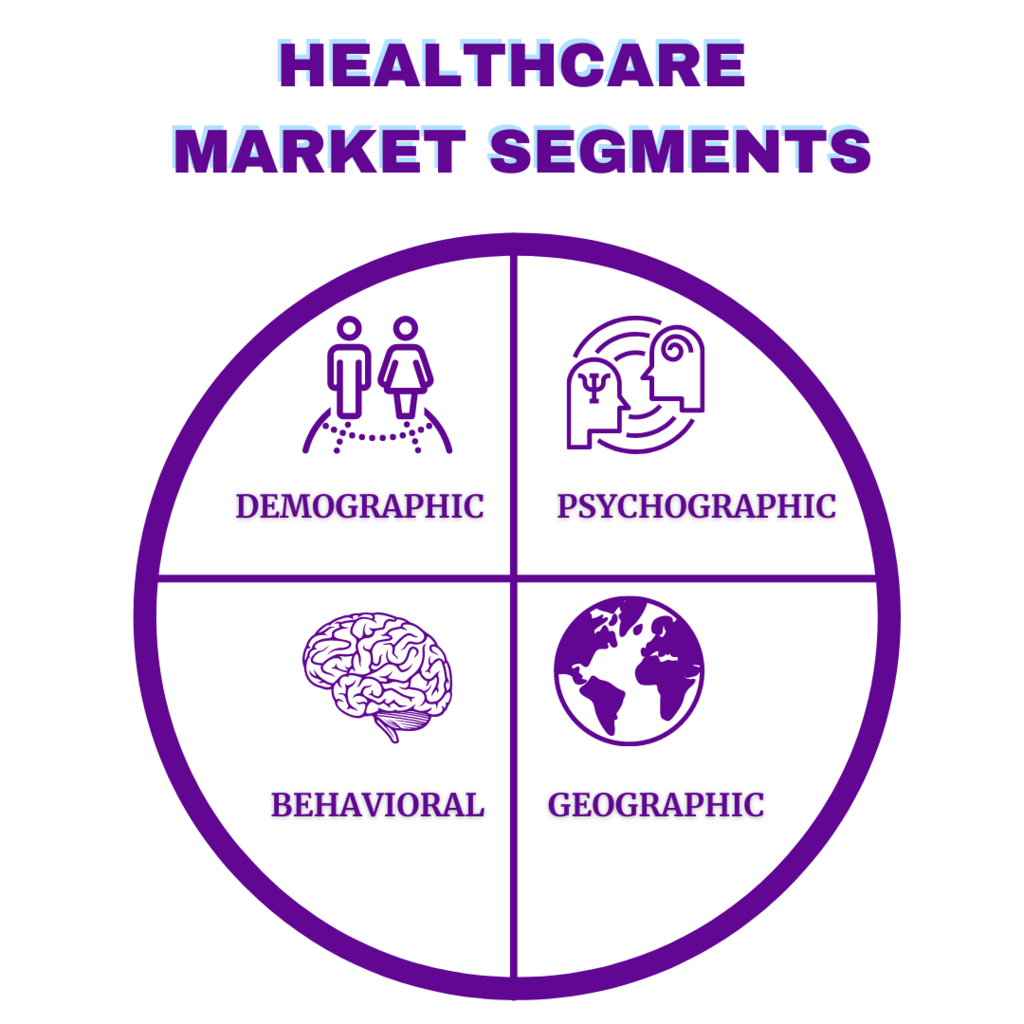
This level of personalization builds stronger customer relationships. When a brand consistently shows that it understands your needs and preferences, you're more likely to remain loyal.
Ready to check your understanding?
According to the provided text, what is the primary goal of applying AI in a business context?
How has the application of AI in business evolved over the last few decades?
By understanding these core concepts, you can begin to see how AI is not just a technical tool, but a strategic asset for growing a business and connecting with customers more effectively.