AI Filmmaking Unleashed
Introduction to AI Filmmaking
AI in the Director's Chair
Filmmaking has always been a blend of art and technology. From the first silent movies to today's blockbusters, new tools have consistently changed how stories are told on screen. Now, artificial intelligence is the latest technology stepping onto the set, and it's doing more than just helping with special effects. It's changing the entire creative process.
AI is making it possible for a single person to create a short film from their laptop, a task that once required a small army of specialists. It's no longer just a futuristic concept from the movies; it's a practical toolkit for modern creators. Let’s look at how this technology evolved from a background assistant to a creative collaborator.
From Special Effects to Storytelling
For a long time, AI’s role in film was subtle and highly technical. In big-budget movies, it worked behind the scenes to create complex visual effects. Think of the massive armies in The Lord of the Rings. AI software was used to simulate the behavior of thousands of individual soldiers, making the battles feel real without animators having to control each character by hand. This was AI as a powerful calculator, handling tasks too complex or tedious for humans.
The major shift came with the rise of generative AI. This new wave of AI doesn't just analyze or simulate; it creates. It can write text, draw images, and now, generate video. This leap has moved AI from the post-production suite into the writer's room and the director's chair.
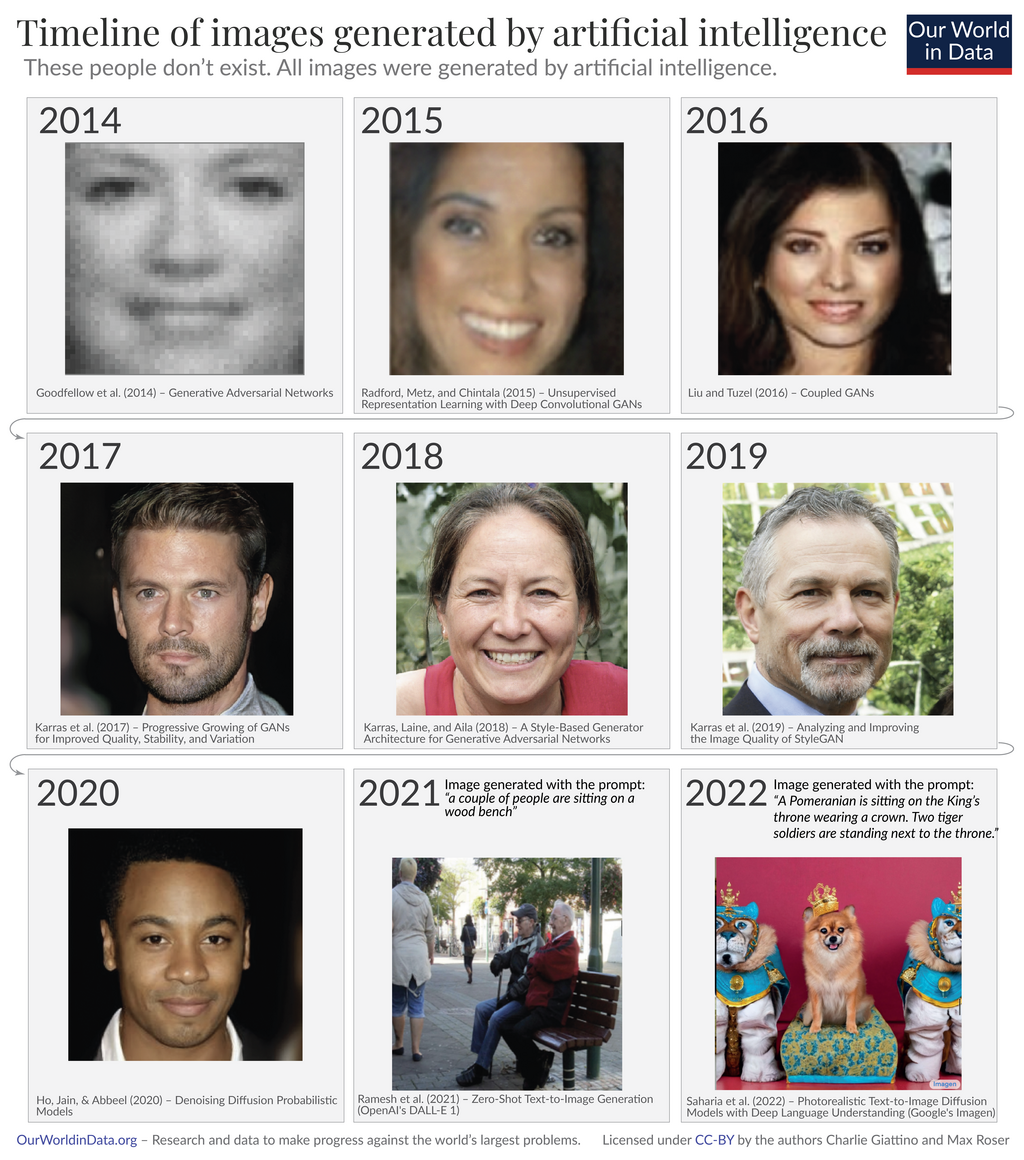
Today, filmmakers are experimenting with AI in every stage of production. A writer can brainstorm script ideas with an AI, an artist can generate concept art in minutes, and a director can create entire video sequences from a simple text prompt. The technology is evolving so quickly that what was impossible a year ago is now becoming commonplace.
The AI Production Toolkit
Instead of one single “film AI,” there’s a growing ecosystem of specialized tools designed for different parts of the filmmaking process. These tools can be thought of as a new digital crew, each with its own expertise.
| Stage | AI's Role |
|---|---|
| Pre-production | Generating script ideas, writing dialogue, creating storyboards, and designing characters. |
| Production | Creating video clips from text prompts, images, or even other videos. Animating characters. |
| Post-production | Automating edits, color grading footage, generating music and sound effects, and creating voice-overs. |
This doesn't mean the human filmmaker is obsolete. Just as the synthesizer didn't replace musicians, AI tools aren't replacing creators. Instead, they offer new ways to bring a vision to life, often with fewer resources. An independent filmmaker can now experiment with visual styles that were previously only possible with a massive budget.
New Tools, New Questions
This new technology also brings complex challenges and ethical questions. As AI-generated content becomes indistinguishable from reality, questions of authenticity arise. Who is the author of an AI-assisted film? If an AI is trained on millions of images and videos from the internet, who owns the copyright of the final product?
These legal and ethical frameworks are still being built, and the conversation involves artists, lawyers, and audiences alike.
There's also the impact on jobs. While some traditional roles in filmmaking may be automated, new ones are emerging. The need for "prompt engineers" who can coax the right visuals from an AI, or AI ethicists who can guide its use, is growing. The creative landscape is shifting, not disappearing.
We are now ready to explore these new tools and see what they can do.
What best describes the primary shift in AI's role in filmmaking over time?
According to the text, what is an example of an early, non-generative use of AI in a major film?