AI Filmmaking for Longer Productions
Introduction to AI Video Creation
From Text to Screen
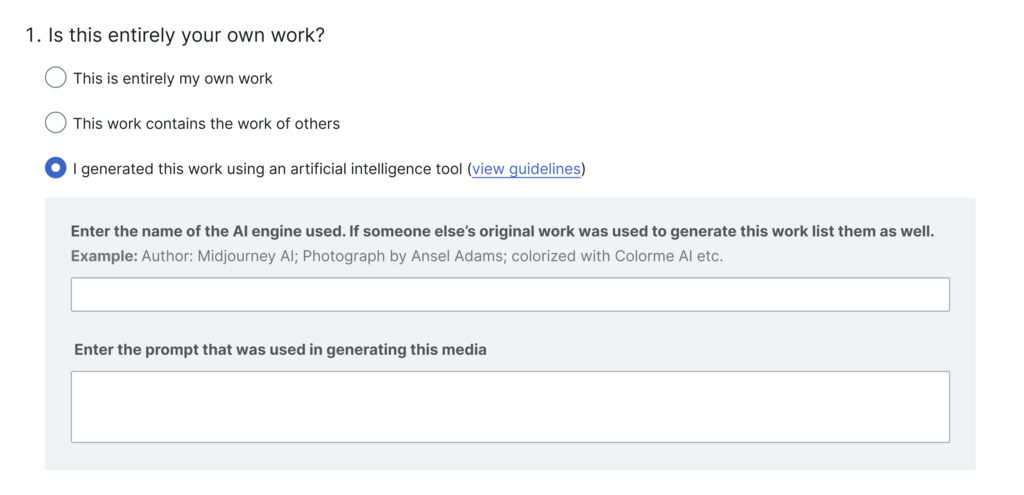
Imagine writing a sentence and watching it turn into a movie scene. That's the core idea behind AI video generation. These tools take written descriptions, called prompts, and translate them into moving images.
Leading this charge are models like OpenAI's Sora, Google's Veo 3, and Meta's Movie Gen. Each works a bit differently, but they all share a common goal: to create video content from simple text or even still images. Instead of needing a camera, crew, and actors, you just need an idea and a way to describe it.
With AI, a descriptive sentence can become a finished video clip in minutes, a process that once took teams of people days or weeks.
This technology isn't just about creating random clips. It’s about storytelling. You can specify the mood, the style of cinematography, the characters, and the setting. Want a cinematic shot of a golden retriever on a mountaintop at sunset? Just write the prompt. The AI analyzes the words, understands the relationships between them, and generates a video that matches your vision.
What's Possible and What's Not
The leap in quality over the last few years has been astounding. Early AI videos were often short, grainy, and strange. Today's models can produce high-definition, coherent scenes that look incredibly realistic or are beautifully stylized.
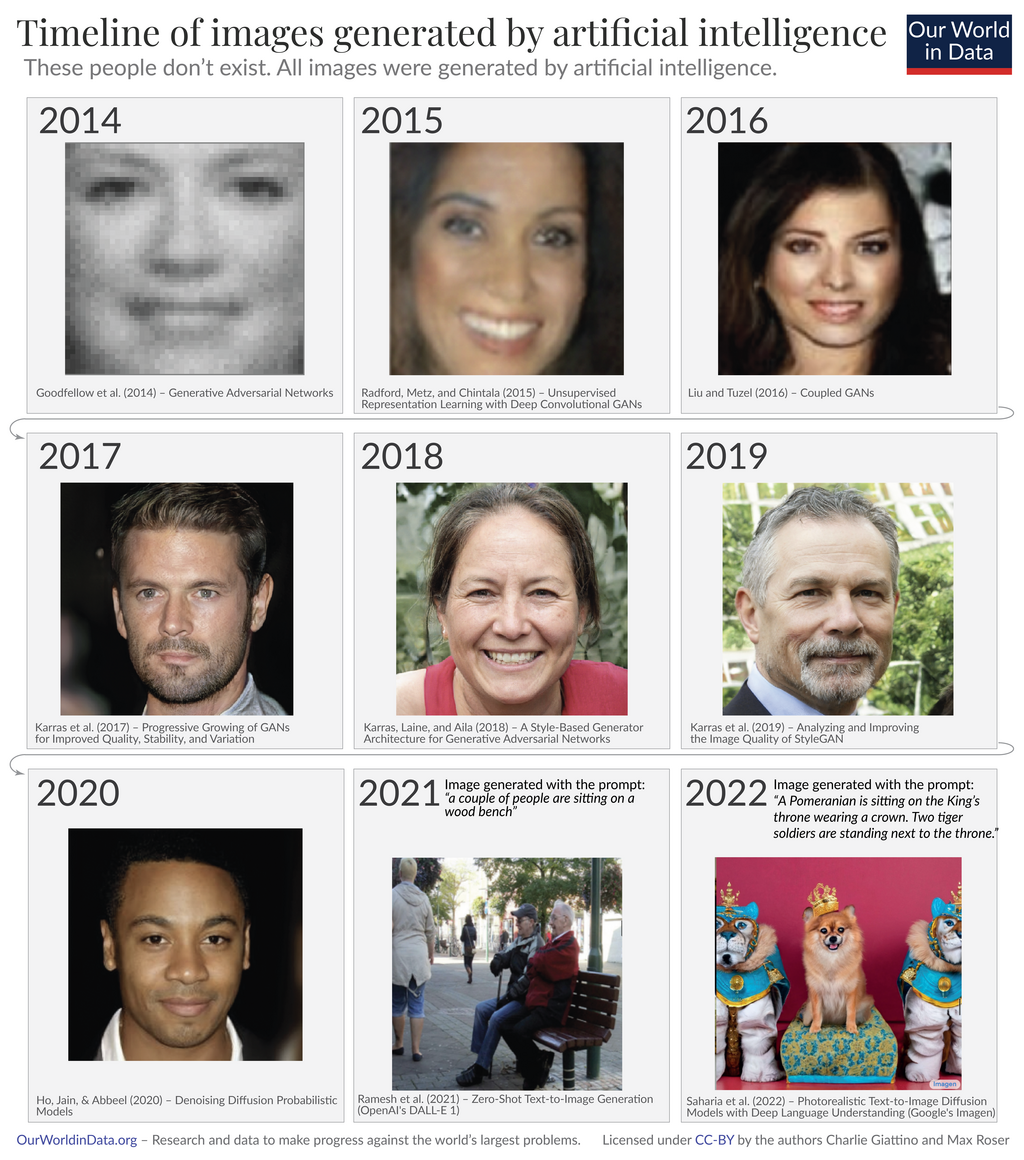
But the technology still has its limits. One of the biggest hurdles is consistency. An AI might generate a character who looks slightly different from one shot to the next. It might also struggle with complex physics or cause-and-effect scenarios that seem obvious to us.
Generating a cohesive film of three minutes or more remains a challenge. Most current models are best at producing short clips, usually under a minute long. Stitching these together into a longer narrative requires careful planning and editing. The AI can create the scenes, but a human touch is still needed to weave them into a compelling story.
One of the most significant challenges in AI video generation has historically been maintaining character consistency across different scenes, angles, and temporal frames.
The Bigger Picture
As these tools become more powerful, they raise important ethical questions. The ability to create realistic but entirely fake videos opens the door to misinformation. Imagine a fabricated video of a world leader making a controversial statement. The potential for harm is significant, and tech companies are grappling with how to moderate this kind of content.
There are also questions about copyright. If an AI is trained on a massive library of existing videos, who owns the final creation? The user who wrote the prompt? The company that built the AI? The creators of the original training data? These are complex legal issues with no easy answers.
Despite these challenges, AI video generation is a powerful new medium for creativity. It lowers the barrier to filmmaking, allowing anyone with a story to tell to bring their vision to life.
Time to check what you've learned.
What is the primary input used by AI video generation tools like Sora and Veo to create video content?
According to the text, what is one of the biggest technical hurdles currently facing AI video generation?
This new technology is evolving quickly, but understanding these core concepts will help you navigate its future.