AI Fairness and Human Rights
Introduction to AI
What Is Artificial Intelligence?
Artificial Intelligence, or AI, is the science of making machines that can think like humans. It's a broad field in computer science focused on creating smart systems that can perform tasks that typically require human intelligence.
At its core, AI is about enabling machines to learn from experience, reason through problems, and make decisions.
Think of it this way: when you learn to ride a bike, you're not given a perfect set of instructions. You try, you fall, you adjust, and eventually, you figure it out. AI systems often work in a similar way, processing information and refining their approach to get better at a task over time.
A Quick Trip Through Time
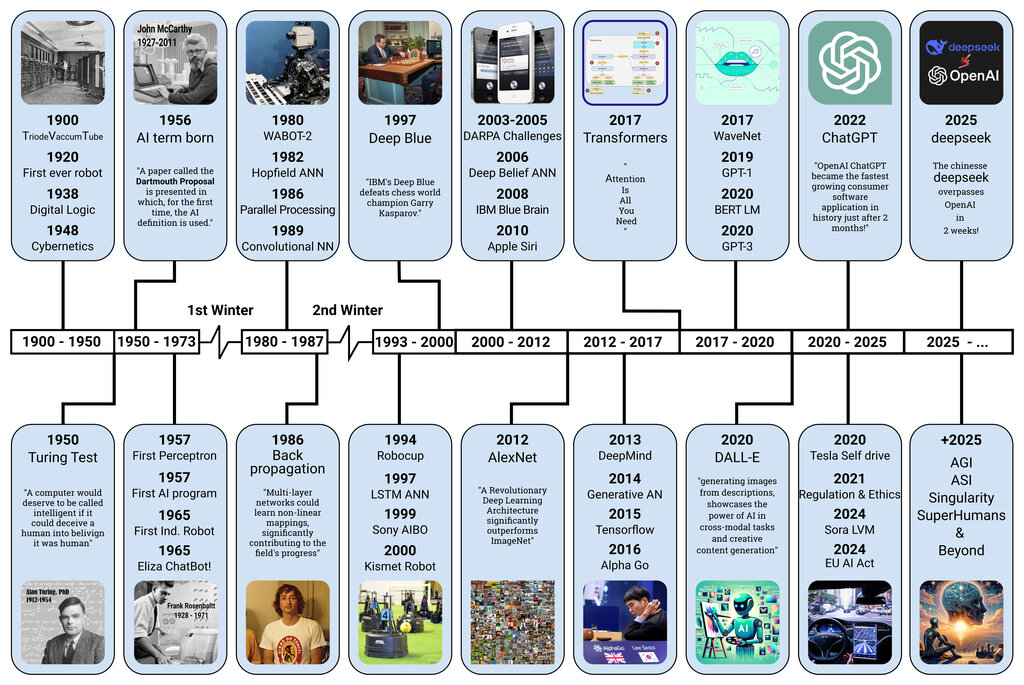
The idea of intelligent machines isn't new. It has roots in ancient myths and centuries of philosophical thought. But the modern field of AI officially began in the mid-20th century. Early pioneers believed that a machine as intelligent as a human being could be built within a generation.
Progress wasn't always a straight line. The field experienced periods of intense optimism followed by "AI winters," when funding and interest dried up due to overly ambitious promises. However, breakthroughs in computing power and the availability of massive amounts of data have led to the rapid advancements we see today.
AI in Your Daily Life
You might not always notice it, but AI is already a part of your daily routine. It's the engine behind many of the services you use every day.
When Netflix suggests a movie you might like, that's AI analyzing your viewing habits. When you ask Siri or Alexa for the weather, you're interacting with an AI-powered virtual assistant. Navigation apps like Google Maps use AI to analyze traffic patterns in real-time to find you the fastest route. Even the spam filter in your email inbox is a form of AI, learning to distinguish junk mail from important messages.
The Building Blocks of AI
AI is a huge field with many sub-disciplines. Two of the most important concepts to understand are Machine Learning and Neural Networks.
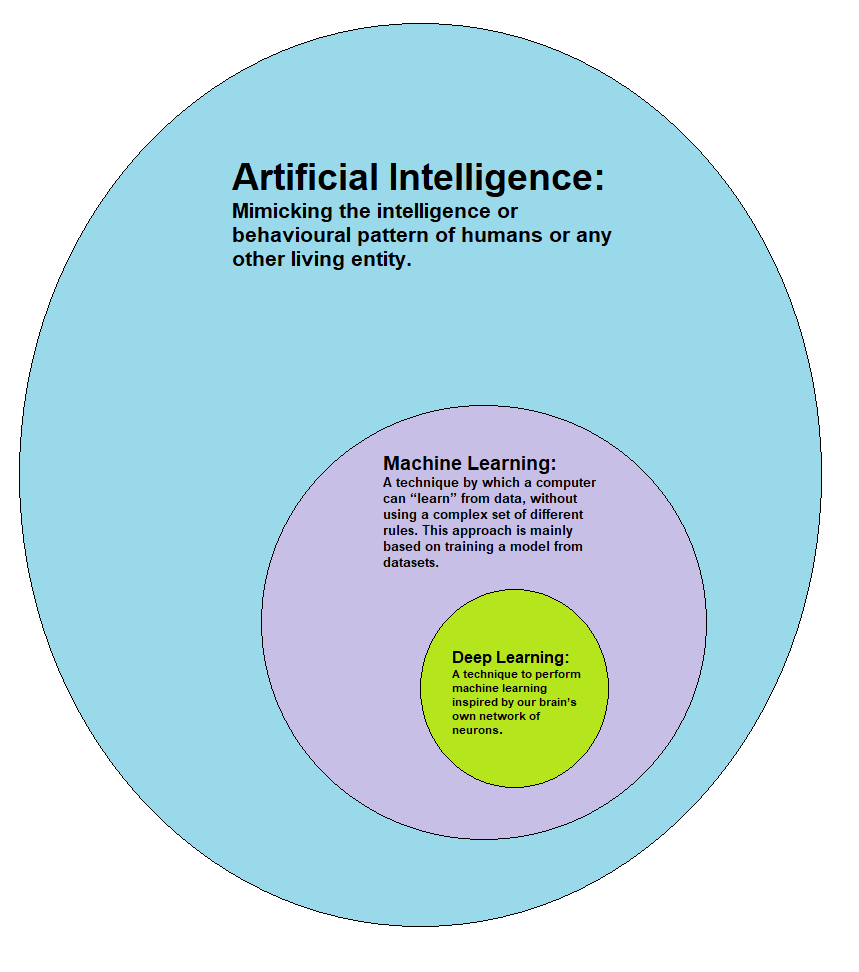
Machine Learning (ML) is a type of AI where systems learn directly from data without being explicitly programmed for every possible scenario. Instead of writing code that says "if you see this, do that," developers create algorithms that can analyze vast amounts of data, identify patterns, and make predictions. The more data the system processes, the more accurate it becomes.
Neural Networks are a key component of a more advanced type of ML called Deep Learning. Inspired by the structure of the human brain, neural networks are made of interconnected layers of nodes, or "neurons." Each neuron processes information and passes it to the next layer. By having many layers, these networks can learn to recognize very complex patterns, like identifying a specific person's face in a photo or understanding the nuances of human language.
These foundational ideas are what allow AI to tackle increasingly complex tasks, from driving cars to helping doctors diagnose diseases.